
REVIEW · NARA DEER PARK EXCURSIONS FROM OSAKA
From Osaka: 10-hour Private Customized Tour to Nara
Osaka to Nara without the hassle. This private day trip is built for people who want structure without losing freedom, and it starts with flexible pickup and drop-off anywhere in Osaka (hotel, airport, or train station).
What you’re really buying is an easy day with private car comfort and a professional driver who handles the route and timing. One possible drawback is that the English-speaking guide is optional, so you’ll want to confirm what you’re actually getting if you care about on-site narration.
Key Things You’ll Actually Notice

- Flexible pickup and drop-off in Osaka means you can start where you already are, not where transit lines force you.
- 10 hours of private service gives enough time to mix the main sights with a couple of slower stops.
- Nara Park plus Todai-ji is a strong pairing for first-timers, with deer and the Daibutsu (big bronze Buddha) in the same morning.
- Nara Town Historic District adds the calm, street-level feel of old buildings and temples, not just photo stops.
- Shopping time is planned with Hankaku Bookstore and nearby street shops for souvenirs and specialty items.
- Confirm guide vs driver ahead of time, because some bookings can end up as an escort with limited English rather than a true site guide.
Private Car From Osaka: Why This Format Feels Less Stressful

This tour works because it removes the usual Nara bottlenecks. You do not have to figure out train connections, shuffle luggage, or negotiate directions while you’re trying to enjoy temples and parks. Instead, you get a comfortable car with a professional driver and a schedule that you can adjust with the driver during the day.
The practical win is control. If the deer area is packed when you arrive, you can spend more time around Todai-ji or Kasuga-related areas first. If you’re tired, you can slow down in the historic district. That flexibility matters more in Japan than you might expect, because a “quick stop” can turn into an hour once you start walking through old streets and temple grounds.
Your tour is also a private group (up to 3 people), which changes the vibe. You can travel with family, friends, or as a couple without feeling like you’re stuck with a group pace. And since lunch and admission are not included, you’re free to choose where and how you eat, rather than being rushed by a fixed itinerary.
More runs out to the deer park
Nara Park and Todai-ji: Deer, Daibutsu-den, and a Big First Impression
Most first-time Nara days orbit Todai-ji and the surrounding area, and this plan does that in a smart way. The example schedule puts Nara Park and Todai-ji between about 9:00 AM and 10:30 AM, which is usually a good window for getting your bearings before the day gets more crowded.
Nara Park and the deer
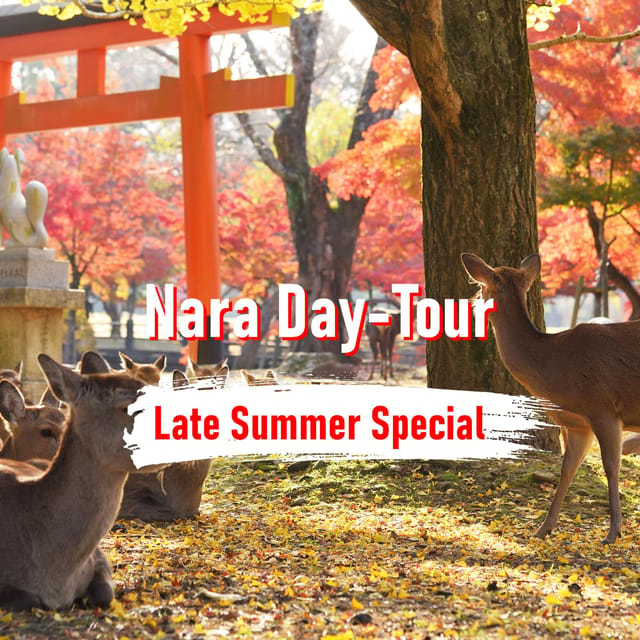
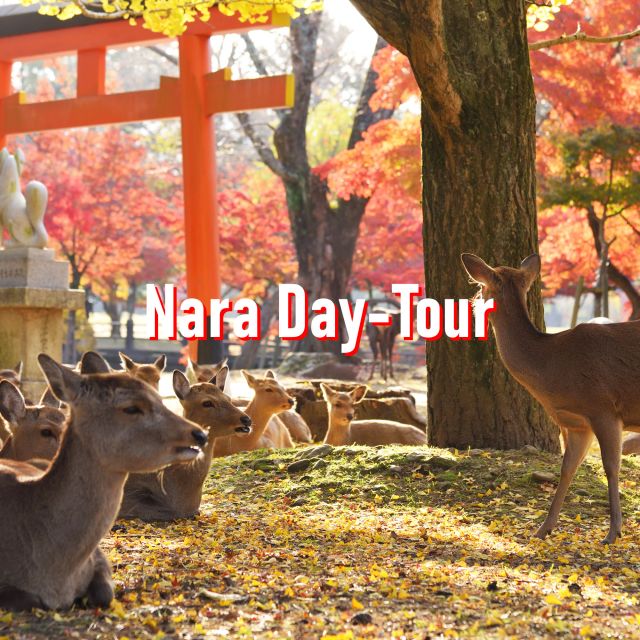
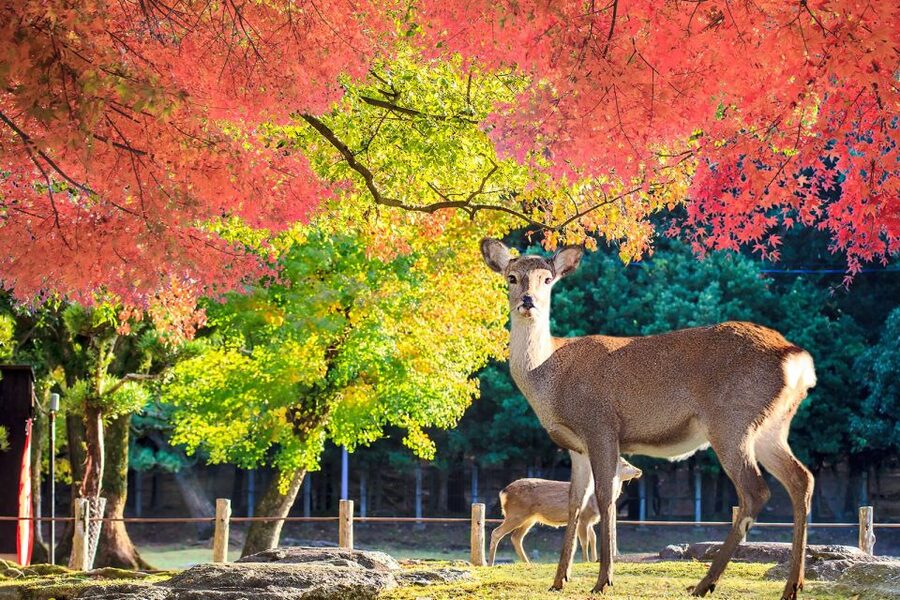
You’ll meet the famous wild deer in Nara Park, where there are around 1,200 wild deer. The deer are the star, but the park is also a great place to slow down. Instead of treating it like a photo line, walk a bit, look at the temple approach areas, and enjoy the simple contrast between city order and park calm.
One caution you should plan for: deer are wild, so keep your personal belongings secure and be mindful around them. You don’t need to panic, just stay aware and follow any on-site guidance.
Todai-ji and the Daibutsu-den
Then comes Todai-ji, including Daibutsu-den, where you see the world’s largest bronze Buddha statue. This is the kind of sight that changes how you read the rest of your day. Even if you’re not a hardcore temple person, the scale helps you understand why Nara mattered so much historically.
What you’ll like about this stop in a private format is pacing. You can spend more time looking at the interior details if you want, or move more quickly if your group prefers variety. Either way, you’re not limited by bus departure times or a group “hurry up” rhythm.
Nara Town Historic District: Walking the Old Streets at Human Speed
After the big centerpiece temples, you shift into something quieter and more atmospheric. The Nara Town Historic District is designed for wandering, and your private timing is ideal here.
This is where you can get lost in the good way: ancient buildings, gardens, and temple areas that feel like they belong to another rhythm. In the example plan, Kasuga Taisha and Horyu-ji Temple are mentioned as temple options connected with this overall area, so you can shape the order based on what you find most interesting on the day.
Why this section matters: if you only do Todai-ji and the deer, Nara can start to feel like one giant highlight reel. The historic district adds texture. You’re seeing how people lived around these sacred spaces, not just checking items off a list.
A practical tip for this part: wear shoes you can walk in for a while. This is the portion of the day where you will likely do more strolling than you expected, because the streets and temple gates are small, frequent, and easy to stop at.
More days built around your list


Toshodai-ji and the Museum Option: Filling the Space Between Must-See Stops
In the afternoon window, you can add more Nara-specific context. The plan references Toshodai-ji Temple and also mentions the Nara National Museum as optional stops.
Toshodai-ji is valuable because it shifts your understanding from “I saw a famous statue” to “there’s a whole system of beliefs and art behind it.” Even if you keep it simple, a temple stop here helps you connect the dots across the city’s different sacred sites.
The museum option can be a smart weather plan too. If it’s hot, rainy, or just tiring to keep walking temple paths, a museum stop gives your body a break while still moving your day forward.
Since this is customizable, I’d think about your group:
- If you like art and interpretation, add the museum.
- If you prefer outdoor wandering, prioritize Toshodai-ji and nearby temple grounds.
Either choice still keeps your day coherent because you’re not jumping across far-away parts of Nara.
Hankaku Bookstore and Street Shops: Souvenirs With Actual Character
The last portion of the example day includes Hankaku Bookstore and nearby street shops for souvenirs and specialty items. This matters more than it sounds, because Nara’s shopping can be either very touristy or surprisingly thoughtful, depending on where you go.
A private tour helps here because you can match the shopping time to your energy level. If you’re the type who wants one meaningful gift and done, you can spend less time. If you like browsing paper goods, local crafts, and books, you can linger.
Also, since admission tickets are not included, keeping this portion of the day flexible is useful. You might have already used your energy on temples and want a calmer finale, or you might still have gas left for one more browse session before heading back to Osaka.
English Guide vs Driver Escort: The One Detail That Can Make or Break the Value
Here’s the real-world lesson to take into the booking desk: the English-speaking guide is optional, and you should not assume “private tour” automatically equals “on-site expert guide in English.”
Based on what I’ve learned from prior bookings, communication quality can vary. For instance, a driver named Wang was described as nice, but English communication was extremely limited, with gestures and signage doing most of the work. Another example involved a guide called Bai, who was super nice as an escort, but didn’t provide the kind of deep site guidance people expect when they select a true English guide.
So my advice is straightforward. When you confirm your itinerary, ask this exact question: will I have an English-speaking guide who explains the sites, or will I be traveling with a driver escort only? If you care about history, meaning, and what you’re looking at while you’re standing there, that distinction is everything.
If you don’t need commentary and you just want transportation plus flexibility, a driver-led day can still be great. But if you’re paying for language support, make sure it’s part of the plan you’re actually getting.
Price and Logistics: When $651 Per Group Feels Like Smart Value
The price is $651 per group up to 3, with 10 hours of private service. At first glance, it sounds pricey, but private touring gets cost-effective when you consider what’s included and what you avoid.
What’s included:
- hotel pickup and drop-off
- air-conditioned vehicle
- professional driver
- all fees and taxes, including parking
- 10 hours of service in total
Not included:
- admission tickets
- food and drinks
- optional English-speaking guide
- overtime fees if you go beyond the planned time
The value equation changes based on your group size and style. If you have three people, the per-person math improves a lot compared with booking separate transfers or piecing together trains plus taxis. It also saves time you’d otherwise spend coordinating transport, which lets you spend more time on what you came for: deer, temples, historic streets, and a bit of shopping.
Also note the overtime structure. Without a guide, overtime is 30 USD per hour. With a guide, it’s 50 USD per hour. That pricing matters because it gives you a clear way to extend if traffic or visiting time runs long, instead of guessing what it might cost.
Timing Your Day: How the 10-Hour Example Works in Real Life
The example itinerary starts around 8:00 AM and loops back to Osaka roughly in the 5:00 PM to 6:00 PM range. That gives you a full day without feeling like you’re spending half your vacation in a car window.
You’ll also notice something smart: the stops are spaced so you’re not trying to cram too many heavy walks back-to-back. Early on you do Nara Park and Todai-ji. Then you shift into the historic district and temple options. After lunch, you add one more layer such as Toshodai-ji and possibly the museum. Then you finish with Hankaku Bookstore and shopping.
One more practical note: the tour schedule is a reference. Actual timing can change due to traffic, visitor flow, and visit length. The private car format is useful because you can adjust in motion, not just accept a fixed route.
Who This Private Osaka to Nara Tour Fits Best
This is a strong match if you want Nara highlights without turning the day into a navigation exercise.
It’s especially good for:
- Solo travelers who want easy logistics and a calm plan
- Couples who prefer a shared pace rather than joining groups
- Families who may not want to manage multiple transit changes while also entertaining kids
- Small groups that value comfort and flexibility more than squeezing in the absolute maximum number of stops
One practical rule to know: baby or child counts as one participant. So if you’re traveling with a child, factor them into the group size from the start.
If you’re the kind of traveler who loves reading guidebooks and you just need transportation, you can keep costs down by focusing on what you see, not on commentary. If you want explanations and deeper context, plan on confirming the actual English guide setup carefully.
The Booking Decision: Should You Book This Day Trip?
I’d book this private Osaka to Nara tour if you want comfort, control, and a stress-free route. It’s built for people who would rather spend their time watching deer and standing in Daibutsu-den than figuring out transit schedules.
I wouldn’t book it blindly if you’re expecting a guaranteed English-speaking expert at every stop unless you confirm the guide arrangement. Because language and depth can vary, the extra minute you spend confirming that detail can protect the value of your day.
If your travel style fits what this offers, the setup is also flexible: it’s described as offering free cancellation up to 24 hours in advance and reserve now, pay later. That means you can plan confidently, and still adjust if your Osaka plans change.
FAQ
How long is the private customized tour to Nara?
The tour is 10 hours in total. It can be extended with a charge if you want more time.
How many people can be in one group?
It’s a private group for up to 3 people. Baby or child also counts as one participant.
Where can you pick me up and drop me off in Osaka?
You can be picked up and dropped off at your preferred location in Osaka, such as your hotel, airport, or train station.
Is an English-speaking guide included?
An English-speaking tour guide is optional. The languages listed for the live tour guide are Japanese and English.
Are admission tickets included for temples and museums?
No. Admission tickets are not included.
Is lunch included?
Food and drinks are not included, so you’ll pay for lunch separately.
What’s included in the price besides the driver and car?
Included are hotel pickup and drop-off, an air-conditioned vehicle, professional driver service, 10 hours of services in total, and all fees and taxes including parking fees.
What happens if we need extra time beyond 10 hours?
Overtime is charged at 30 USD per hour if there is no guide, or 50 USD per hour if there is a guide.
More Tour Reviews in Osaka


A Day Built Around Your List



More Mornings with the Deer
Latest out of Osaka


Nara Deer Park Excursions from Osaka, side by side.
 ★ 4.5Ancient Capital Tour: Kyoto and Nara Highlights from Kyoto/OsakaFrom $90332 reviews
 ★ 4.0Kyoto and Nara Day Trip from OsakaFrom $198175 reviews
 ★ 3.5From Osaka or Kyoto: Kyoto and Nara 1-Day Bus TourFrom $64141 reviews
 ★ 5.0Discover Himeji, Kobe and Nara from OsakaFrom $91101 reviews
 ★ 4.5Kyoto & Nara Private customized tour with English speaking GuideFrom $54999 reviews
 ★ 4.5From Osaka/Kyoto: Kyoto & Nara Day Trip with Optional LunchFrom $6879 reviews
 ★ 4.5Kyoto and Nara UNESCO Highlights Full-day Tour From OsakaFrom $6250 reviews
 ★ 5.0From Osaka: Nara Private Tour with Meet-Up at Your HotelFrom $14049 reviews
Also worth a look in