
REVIEW · OSAKA STREET FOOD CRAWLS
Eat Like a Local in Osaka – Private Custom Street Food Tour
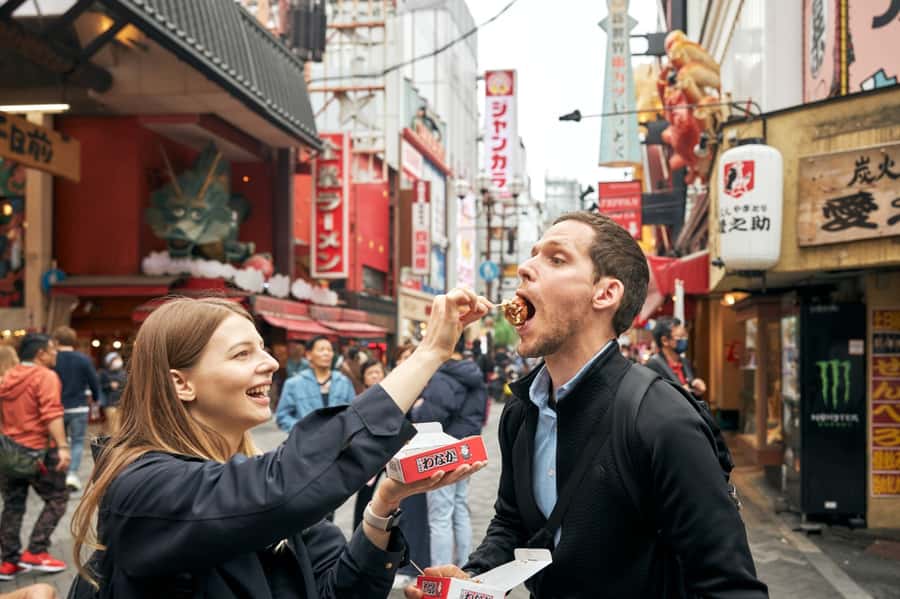
Osaka street food hits different at night. A private guide takes you into Dotonbori and the lantern-lit lanes of Namba, where the city’s flavor culture is on full display.
I especially like the personal matching with a local foodie, because it changes how the stops feel, not just what you eat. I also like that you’re set up for 6 to 8 tastings of iconic dishes, so you leave with a real picture of Osaka beyond one snack.
One caution: street food expectations can vary. Some tours may include eating at nearby places rather than only standing-at-the-cart moments, so it’s worth setting clear expectations on what you consider true street food.
Key things to know before you go
- A questionnaire-driven host match so the route fits your tastes and comfort level
- 6 to 8 tastings selected from Osaka classics, not random plates
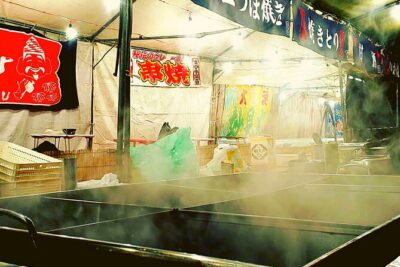
- Dotonbori neon streets plus Namba lantern alleys for two very different nighttime vibes
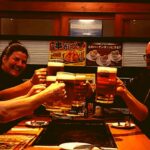
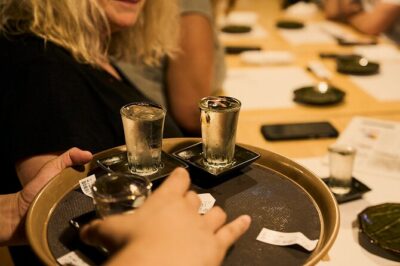
- Local drink included (alcoholic or soft) based on your preference
- Insider recommendations for after the tour so you can keep eating on your own
Why Osaka Night Markets Make Sense for a Food Tour
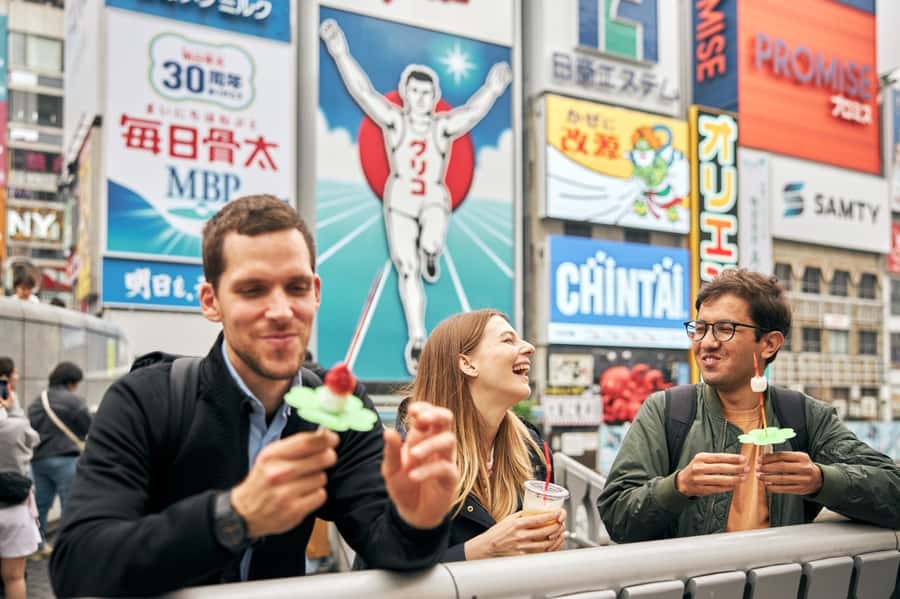
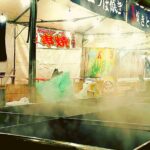
If you’ve only seen Osaka from daytime photos, you’re missing the main event. Night is when Dotonbori’s lights feel loud, when people line up for hot snacks, and when the city’s street energy turns food into a social thing. This tour is built for that. You’re not just sampling dishes, you’re walking through the settings where those foods became part of everyday life.
You get two key zones, and they do different jobs. Dotonbori is the headline act, with big neon energy and lots of street-level action. Namba’s lantern-lit alleys feel more old-school and cozy, where you can spot small stands and busy backstreet spots that locals actually use.
The best part for planning: it’s private and flexible. That means you’re not locked into a fixed “eat this, then that” checklist at the exact same tempo as everyone else.
More days handed over to a local
Matching With a Local Foodie: The Custom Part That Actually Matters
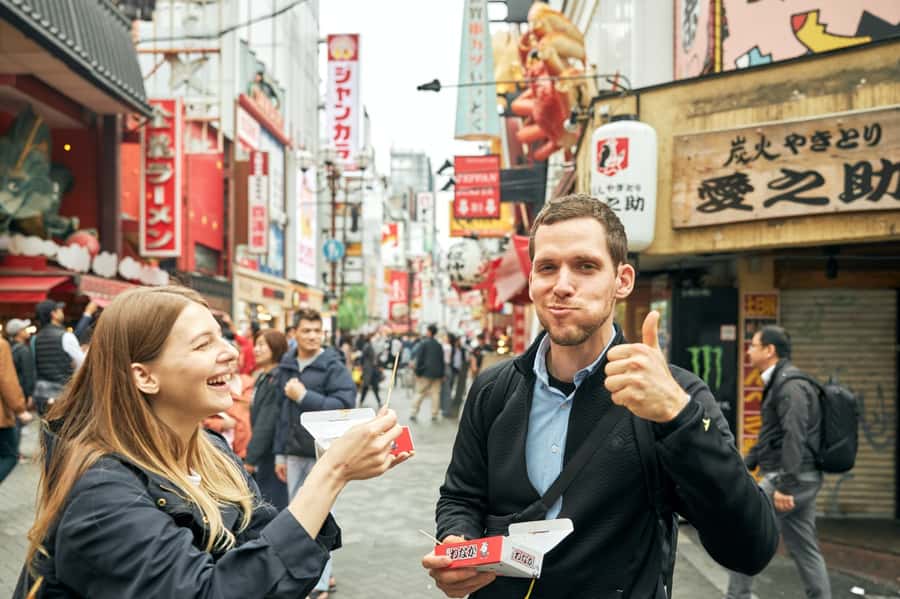
This is a private custom street food tour, and the matching system is the hidden strength. After booking, you fill out a short online questionnaire about your interests and preferences. Then a City Unscripted host reaches out to build your route around your appetite and personality.
That matters because Osaka street food is bold. You might want crispy, smoky, grilled, or comforting dishes, and you might want a gentler pace. In one example guide named Lay, her background as an expat in Japan came through in how she paired explanations with real restaurant and ordering advice. In another case, a host respected that the group wasn’t too adventurous, which can make the difference between a fun evening and a stressful one.
What I’d do: be honest in your questionnaire. If you’re excited for intense flavors, say so. If you prefer milder tastes or need a slower rhythm, say that too. A good host can’t read your mind, but they can read your form.
The 3-Hour Flow: From Pickup to Lantern-Lit Lanes
The tour lasts about 3 hours, and it’s primarily a walking experience. You either get on-foot pickup if you’re staying in central Osaka, or you meet at a specific central spot: Starbucks Coffee – Tsutaya Ebisubashi (1 Chome-8-19 Dotonbori, Chuo Ward, Osaka, 542-0071). That setup is helpful because it gets you into the right neighborhood fast.
You’ll move between Dotonbori and Namba by walking, with the possibility of public transport or taxis at an additional cost if needed between sites. Practically speaking, that means you should plan for a real “evening stroll with snacks,” not a quick hop between far-away attractions.
While I can’t promise the exact order of every stop, the tour is designed so you progress through the street-food rhythm: street cart and stand energy in Dotonbori, then deeper into Namba for the lantern-alley atmosphere and more specialty bites. Along the way, you’ll taste 6 to 8 dishes selected around your preferences.
Dotonbori First Bites: Takoyaki, Okonomiyaki, and the Neon Factor
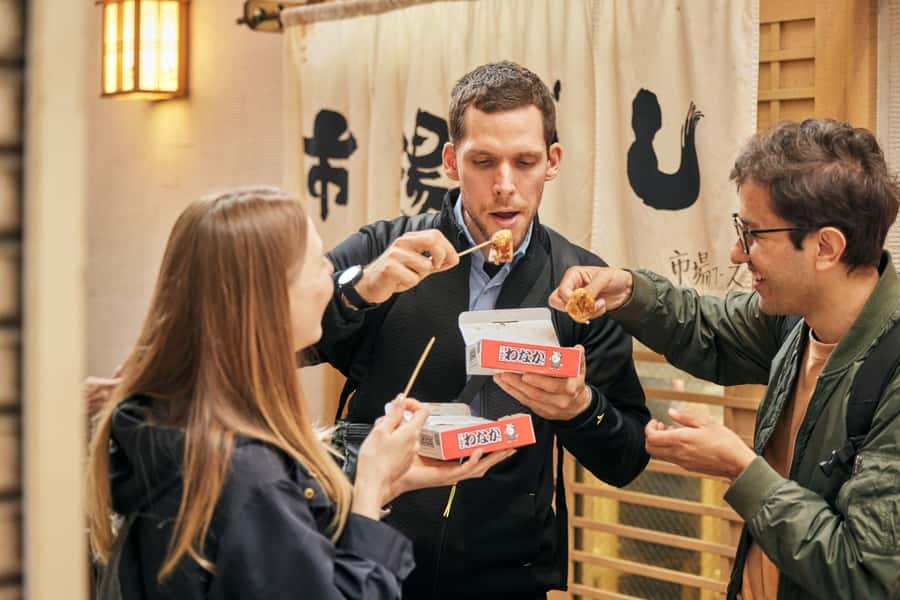
Dotonbori is where you’ll likely feel Osaka’s street food heartbeat right away. This is the part of town where the street becomes your dining room, and where you can see how fast lines form when something hits the grill. If you want photos, this is also where they come easy. More importantly, it’s where the food feels like part of the street scene, not a separate “activity.”
Here are common Osaka classics you should expect in the mix. The tour description specifically calls out options like takoyaki and okonomiyaki, and those two dishes alone show why Osaka food has personality.
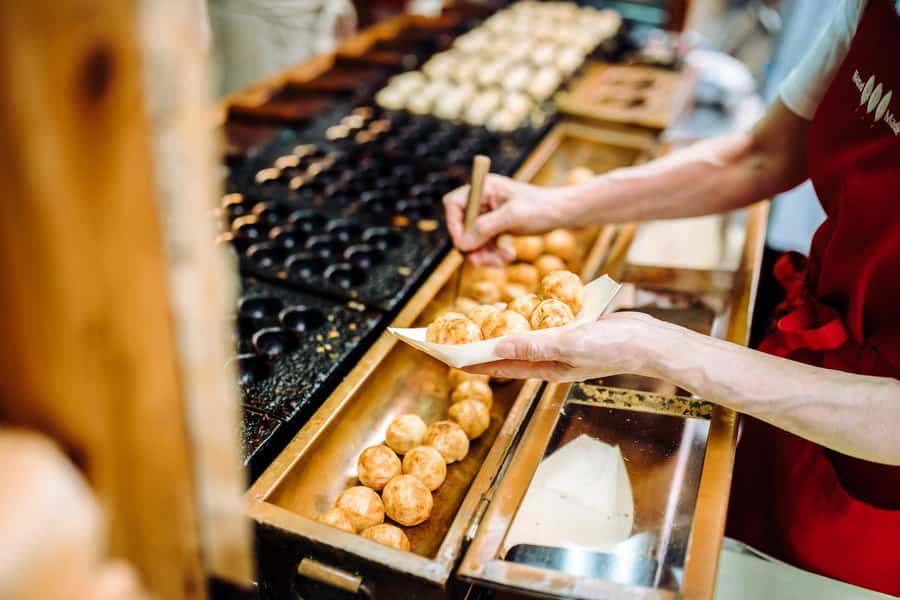
- Takoyaki: typically small, hot, and scored for maximum snackability. You’ll usually see people eating them immediately, and the best versions have crisp edges with a tender interior. On a guided tour, the benefit is you’re eating them in the right context, from a place that understands the flow.
- Okonomiyaki: Osaka’s style can be heavier and more comforting than you might expect, and it’s made for sharing. A good host will explain what makes Osaka’s approach different and what you’re tasting beyond just sauce and batter.
What to watch for: if you’re picky about mess, be ready. Many of these street-style foods are hands-on, sauce-forward, and best eaten with quick bites. Bring a napkin mentality, not a polished-dining expectation.
Namba Lantern Alleys: Kushikatsu, Yakisoba, and Oden Comfort
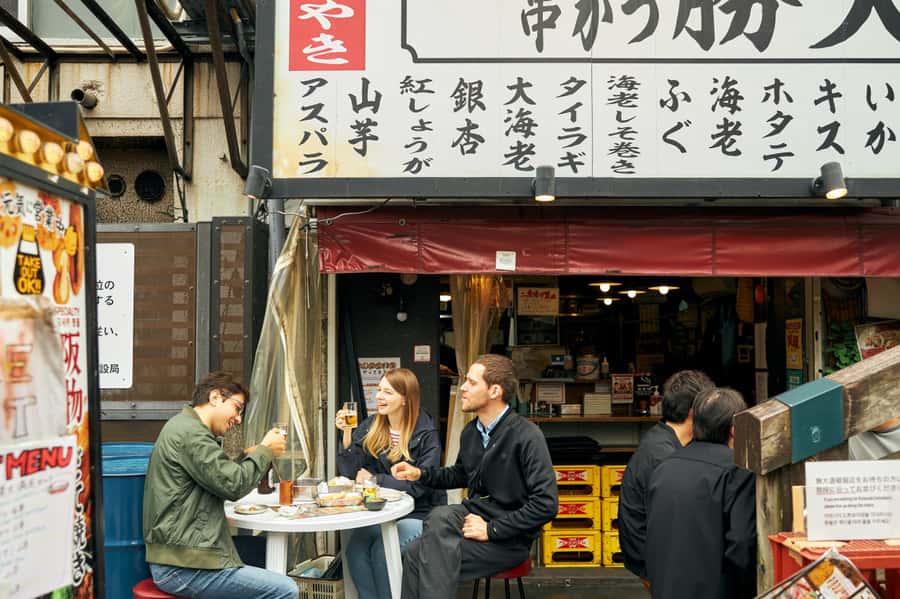
After you’ve tasted the high-voltage energy of Dotonbori, the tour often shifts into Namba’s lantern-lined lanes. This is the zone that feels more intimate. The lights are still there, but the mood turns more “walk a few steps and follow the smell.”
This is also where foods like kushikatsu and yaki soba fit naturally. The tour highlights these types of dishes as part of the tasting lineup.
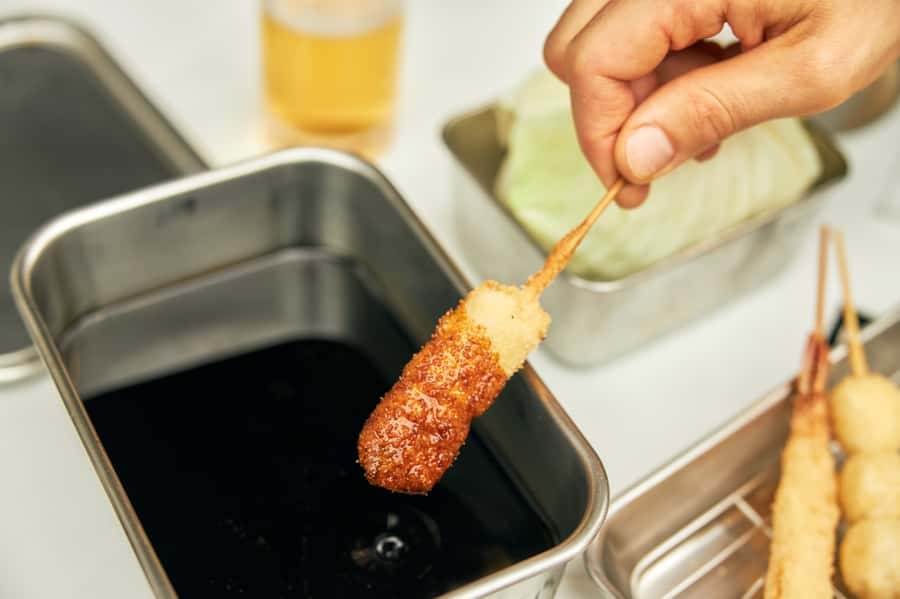
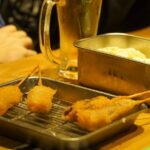
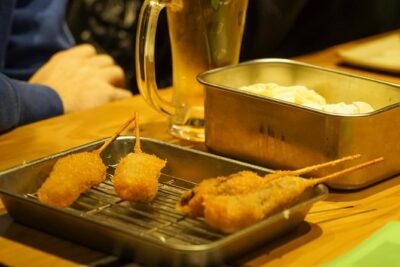
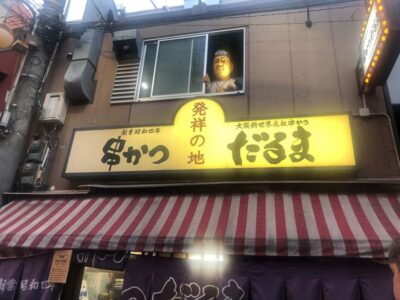
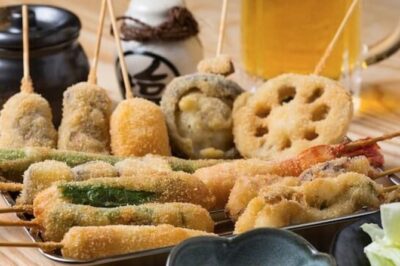
- Kushikatsu: think crunchy, deep-fried skewers with dipping sauce. The fun here is that you’re not just eating, you’re learning the rhythm of how to handle it, plus the local reasons it became a go-to.
- Yakisoba: smoky, savory stir-fried noodles often served sizzling or hot. A host explanation helps you notice the differences between noodle texture, sauce thickness, and how vendors season in Osaka.
- Oden: warm, comforting broth-based items are also mentioned as part of the tour’s Osaka classics. If you’re doing this earlier in the evening or it’s cooler, this kind of stop can make the whole tour feel easier to enjoy.
A real consideration here: not every stop has the exact same “pure street cart” setup. One disappointing experience involved feeling like the tour went to restaurants instead of strictly street stalls, and there wasn’t much spoken information. That doesn’t mean the tour is always like that, but it does mean you should communicate what you want. If you picture street-on-the-sidewalk eating, ask your host what the plan looks like before you settle in.
More plates on more streets
Why the Food Stories Make You Eat Better (Not Just Hear More)
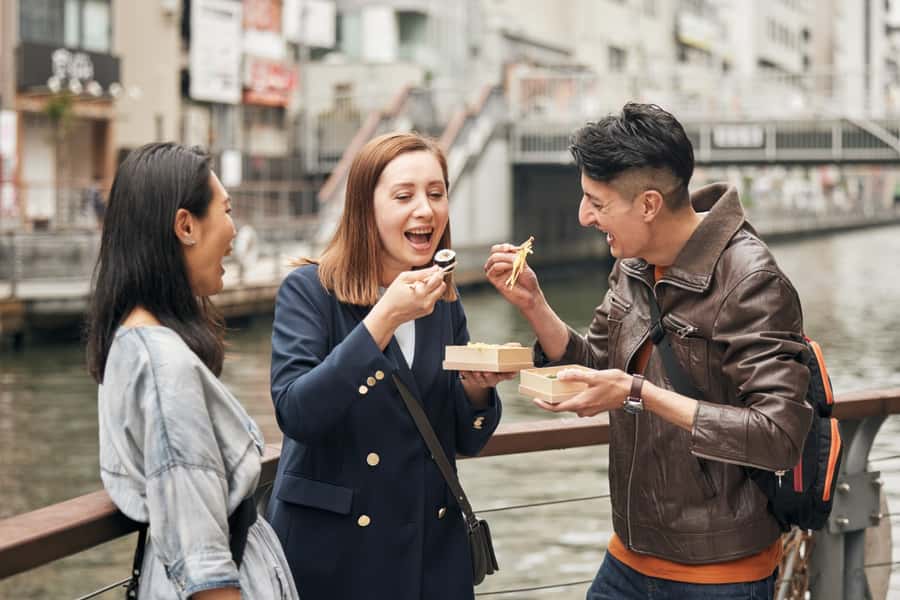
The tour isn’t only about chewing. It’s built to connect the dishes to Osaka’s street culture, including where these flavors came from and how they became famous. That matters because street food can look similar on menus, but the local meaning is what makes it worth your time.
You’re likely to hear explanations while you eat, not in a lecture format. The goal is simple: help you understand why a dish is Osaka’s favorite instead of just Japan’s favorite. For example, when you learn how the city embraced certain cooking styles or how popular street habits shaped vendors, you start noticing tiny cues like sauce balance, doneness, and serving style.
Also, this kind of storytelling helps you decide what to chase after the tour. One of the best outcomes is leaving with a short list of authentic spots to explore for the rest of your stay, based on what you actually liked on the walk.
Price and Value at $169: Is a Private Tour Worth It?
At $169 per person for a 3-hour private experience, you’re paying for three things: guided selection, personalization, and convenience. That price can feel high if you compare it to buying food alone. But compare it to the cost of getting the same street-level guidance on your own, including the time spent deciding where to go and what to order.
Here’s what your money covers:
- A private host matched to your tastes, using the questionnaire
- 6 to 8 tastings, meaning you’re not stuck with one or two items
- Two local drinks (alcoholic or soft) based on your preference
- On-foot pickup from central accommodations or a clear meeting point in Dotonbori
- Direct communication with your host for planning and recommendations
The best value angle is that the tour makes your food choices efficient. Osaka street food is everywhere, but “everywhere” can also mean information overload. A host helps you focus on dishes that fit your preferences, and it can reduce the guesswork behind ordering.
One balanced caution: the tour rating is strong overall, but experiences aren’t identical. A couple of lower ratings mentioned two issues: food quality not matching expectations at the price, and English clarity not being as easy as hoped. That’s not something you can eliminate completely in any private tour. Still, you can reduce risk by setting expectations early and asking questions during the tasting.
What to Wear, How to Pace Yourself, and What to Ask
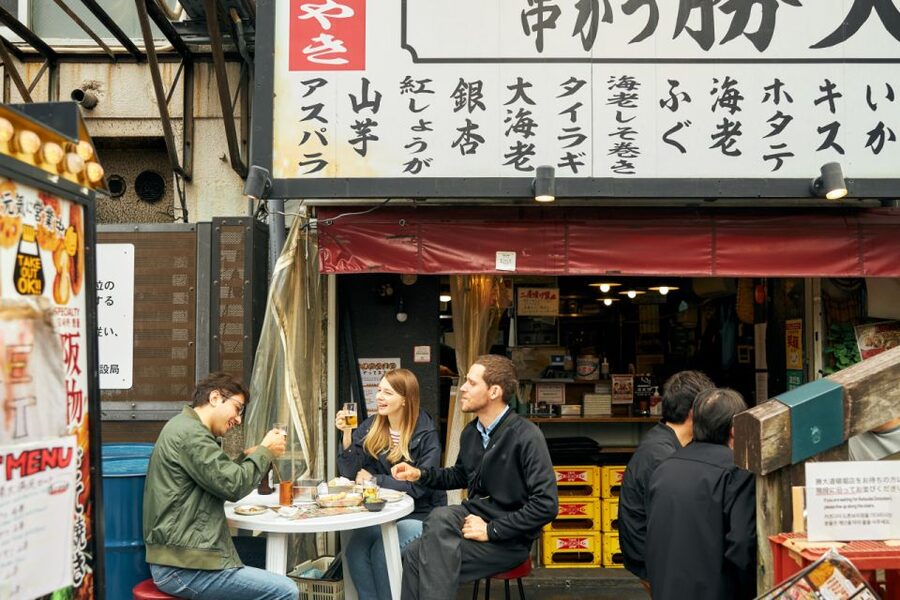
This is a walking-based experience. Wear comfortable shoes you can handle on uneven pavement. Also, street food means sauce, heat, and small mess potential, so think practical, not fancy.
Your best move before the tour is to use the questionnaire to communicate:
- What flavors you like
- How adventurous you want the tour to be
- Any preferences that shape your comfort level
During the walk, ask your host for two things:
- What dish you should remember most, if you had to pick one
- Where you can return on your own after the tour
That second one is especially valuable because it extends the tour beyond the 3 hours. You get a local shopping list for your remaining Osaka time.
Language and Guide Style: English Help, Plus Osaka Reality
The tour offers English and Japanese, so you should be covered either way. Still, one piece of real-world feedback mentioned that English wasn’t clear enough for that group. In contrast, other experiences praised the host and the amount of learning.
How do you make this smoother? Go in with a mindset of conversation. Ask follow-up questions, even simple ones like what to order next time you’re back. If your host gives quick answers, you’ll still get value from the walking context and the food stories, even if you catch every word only part of the time.
If you’re traveling with someone who wants a lot of spoken detail, say that early in your planning messages, so the host can adjust the pacing and explanation style.
Who This Tour Suits Best (and Who Might Want a Different Plan)
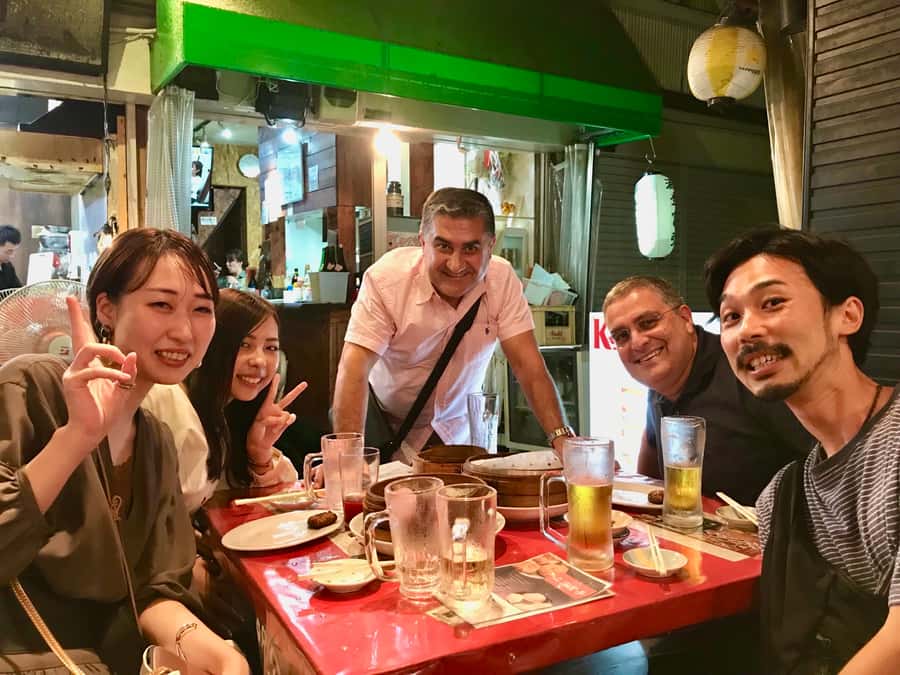
This tour fits you if:
- You want Osaka street food in the two classic areas, Dotonbori and Namba
- You like the idea of 6 to 8 guided tastings rather than chasing food alone
- You want insider recommendations to use later
- You prefer a private pace, with a host who can adjust based on your comfort level
It might not be ideal if:
- You are strict about the format being only outdoor carts, no restaurants
- You have very specific expectations about how the tour should explain dishes
- You want a very hands-off experience with minimal walking
If you fall into the “format police” category, message the organizer or your host ahead of time with your definition of street food. That small step can prevent disappointment.
Should You Book It? My Decision Rule
Book this tour if you want a guided, efficient way to eat your way through Osaka’s street food culture, with a private host customizing the day. The combination of matching, tastings, and local recommendations is the real value, not just the food list.
Skip it or consider a different style tour if you’re the kind of traveler who needs strict control over the exact dining format, or if you’re very sensitive to language clarity. In that case, I’d weigh the risk, then ask direct questions before you commit.
If you’re flexible, hungry, and curious about how Osaka’s famous flavors became famous, this is a strong way to spend 3 hours. You’ll likely end the night with a full belly and a smarter game plan for where to go next.
FAQ
How many street food dishes will I taste?
You’ll taste 6 to 8 street food dishes selected based on your preferences.
Is this tour private?
Yes. It’s private and personalized, with a local host.
Where does the tour meet if I cannot get pickup?
If you’re not picked up, you’ll meet at Starbucks Coffee – Tsutaya Ebisubashi (1 Chome-8-19 Dotonbori, Chuo Ward, Osaka, 542-0071).
Is hotel pickup included?
Pickup is included on foot for central Osaka hotels if arranged. If not, you’ll use the central meeting point.
Are drinks included?
Yes. You get two local drinks, alcoholic or soft, based on your preference.
Is the tour wheelchair accessible?
Yes, it is listed as wheelchair accessible.
Do I pay for transportation between stops?
Transportation is not included. The tour is primarily walking, and public transport or taxis may be used between sites at an additional cost discussed with your host.
Can I cancel, and can I pay later?
You can cancel up to 24 hours in advance for a full refund, and you can reserve now & pay later so you don’t pay today.
More Tour Reviews in Osaka


Eat Your Way Round Osaka
Hand the Day to a Local




Latest out of Osaka


Osaka Street Food Crawls, side by side.
 ★ 4.8Osaka: Shinsekai Food Tour with 13-15 Dishes at 5 EateriesFrom $532,204 reviews
 ★ 5.0Osaka Food Tour: 13 Dishes at 5 Local EateriesFrom $732,149 reviews
 ★ 5.0Osaka Local Foodie Walking Tour in Dotonbori and ShinsekaiFrom $111985 reviews
 ★ 4.9Hungry Osaka Street Food Tour: 15 Dishes & 3 DrinksFrom $79694 reviews
 ★ 5.0Osaka: Guided Food Tour with 12 Dishes at 4 Local EateriesFrom $83533 reviews
 ★ 5.0Absolute Osaka Food TourFrom $231309 reviews
 ★ 4.5Osaka After Dark: Small-Group Night Food Tour (Max 6)From $116245 reviews
 ★ 5.0Eat, Drink & Cycle: Osaka Foodie Bike TourFrom $99224 reviews
Also worth a look in