
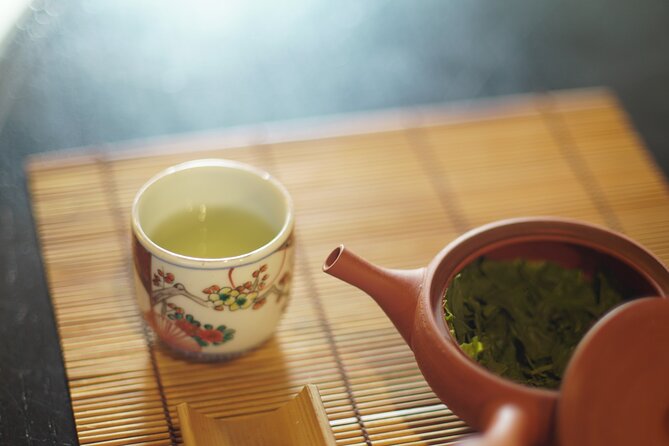
REVIEW · TEA CEREMONY & MATCHA SESSIONS IN OSAKA
Discover Japanese Tea Blending Techniques in Osaka
Tea blending in Osaka feels like craft, not a class. This hands-on workshop lets you brew classic Japanese teas, then play with tea rituals and modern tea cocktails, all in a small group. I love the practical brewing lessons you can use at home, and I love how you leave with samples and recipes to keep the fun going. One catch: at $54.46 for about two hours, it is best if you actually want to taste, mix, and learn, not just watch.
You meet near Namba Yasaka Jinja, start at 3:00 pm, and spend the afternoon learning proper tools, temperatures, and technique across sencha, wakocha, oolong, hojicha, and matcha. The experience also includes history and a sweet stop, plus a fruit-and-alcohol style hands-on activity.
Key highlights at a glance

- Brew five tea styles: sencha, wakocha, oolong, hojicha, and matcha
- Get the technique right: tools, handling, timing, and brewing temperatures
- Modern twist: learn how tea culture shows up in tea cocktails
- Small group: up to 3 travelers, so it stays personal
- Take it home: recipes plus tea samples for sharing later
Tea Ritual Meets Tea Cocktails, Osaka Style
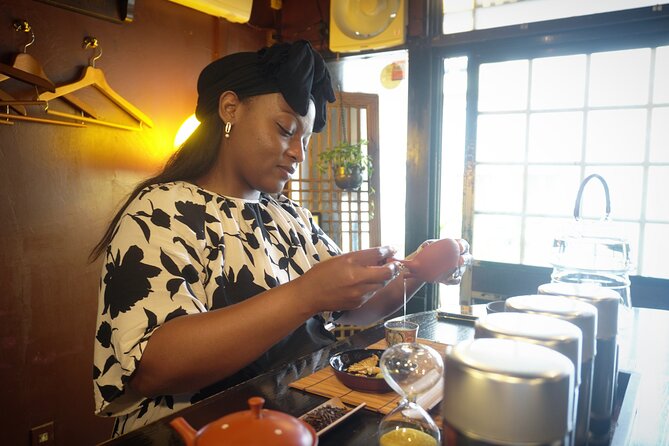
If you think tea is only for quiet moments, this workshop nudges you to think again. You will learn the traditional side of Japanese tea culture, then apply it to modern drinks that use fruit flavors and even alcohol. It is a clever way to understand tea as both heritage and something you can enjoy day to day.
What really makes the experience feel worth your time is how the lessons are built around doing, not just listening. You practice how to brew and handle each tea properly, including the basics you need to avoid turning good tea into a bitter cup. And because you also taste a tea cocktail and traditional Japanese sweets, the workshop has a food-and-drink rhythm, not a lecture pace.
The Osaka setting also matters. The experience is designed to take you out of the most touristy orbit and into a more local-feeling pocket of the city, where the walk and the tea-house vibe help you slow down. By the end, you should feel more confident making tea at home, and that is the kind of souvenir that actually keeps paying off.
Quieter hours: more tea rooms
Finding the Workshop Near Namba Yasaka Jinja at 3:00 pm
The meet-up point is at Namba Yasaka Jinja, 2-chōme-9-19 Motomachi, Naniwa Ward, Osaka. The start time is 3:00 pm, and the activity ends back at the same meeting point, so you do not need to build a complex end-of-tour plan.
This start time is practical. Late afternoons tend to work well for tea experiences because you can fit them neatly between daytime sightseeing and evening meals. It also means you can approach the class with an appetite for snacks and tastings, since traditional sweets are part of the experience.
Because the tour is near public transportation, you should have an easier time getting there without a long taxi ride. And with a maximum of 3 travelers, it is likely to feel more like a small workshop session than a big group performance. That small-group setup is not just a comfort perk. It makes it more realistic to ask questions about brewing temps, tools, and technique while you are actively making drinks.
Your Tea “Flight”: Sencha, Wakocha, Oolong, Hojicha, and Matcha
The heart of the workshop is a hands-on tea session built around five types you will brew during the class:
- green tea(sencha)
- Japanese black tea(wakocha)
- Japanese oolong tea
- hojicha(roasted tea)
- matcha
You get more than a “tasting tour” of flavors. The format is closer to learning a set of repeatable skills. You will cover the basic knowledge you need for each tea, including brewing temperatures, technique, and handling tools. You also talk about history, which helps you connect the practical steps to why they matter culturally.
Here is the practical value for you. Different teas respond differently to water temperature and steeping approach. When you learn the basics for each one, you stop treating tea like it is one-size-fits-all. For example, roasted hojicha is forgiving in a way that many people do not expect, while matcha has its own method and texture goals. By the time you move through the lineup, you should start noticing how small changes affect taste.
Even if you are new to tea, this “tea flight” style works because it builds a mental map. You get a reference for what each tea should taste like when brewed correctly, then you can use that as a benchmark back home. That is the fastest way to turn tea from a vague preference into a skill you actually trust.
Brewing Like a Master: Tools, Timing, and Why It Matters
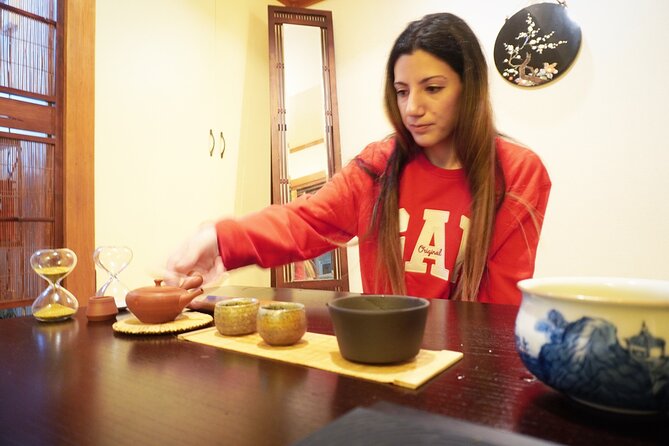
A big part of this workshop is about technique. You will learn how to brew each tea properly using traditional methods, including discussion of the history of Japanese tea culture and the philosophy behind the rituals. You also apply hands-on activity during the class, which means you practice what you learn instead of just hearing it.
One detail that matters for your future self is tool handling and method. You are not only learning what to do, you are learning how to hold and manage brewing tools so you get consistent results. That might sound small, but it is the difference between a cup that tastes right and a cup that tastes off for reasons you cannot figure out.
Timing and temperature are also key. The workshop explicitly covers brewing temperatures and basic technique for each tea type. If you have ever made tea at home and wondered why it turned too strong, too flat, or too bitter, this is where you get the missing pieces. You will also learn why the approach changes by tea style, which makes it easier to remember.
The history portion is not just trivia. When you understand where the rituals came from, the brewing steps start to feel less arbitrary. You start seeing the logic: tea is treated with respect, and the process helps you slow down and focus. That mindset is part of what people come for, and it is also part of what makes the modern cocktail blending feel natural instead of gimmicky.
Tradition Plus Mixology: Making Tea Drinks With Fruit and Alcohol
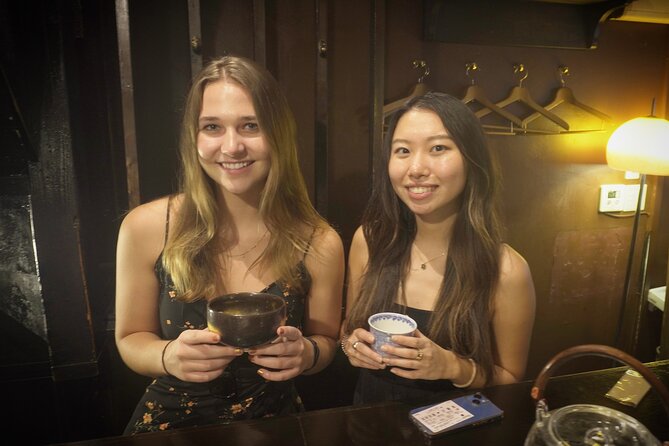
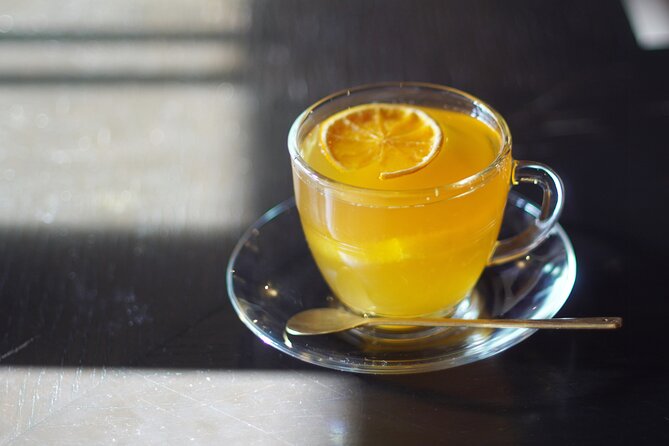
After you learn the brewing basics across the tea lineup, the workshop turns to the fun part: applying tradition with modern techniques. You will make tea drinks using natural ingredients like fruit, and you will also infuse the drinks with alcohol for a cocktail-style experience.
This is where the workshop earns its modern edge. Japanese tea culture has deep roots, but tea shows up in contemporary ways too, including cocktails and dessert-adjacent drinks. By making one yourself, you learn how flavor pairing works, instead of just receiving a finished drink.
You will also sample a tea cocktail at the end of this process, along with traditional Japanese sweets. That pairing is smart for your palate. Tea often changes how you perceive sweetness, and the sweets help you understand those taste shifts in a way that a plain tasting might not.
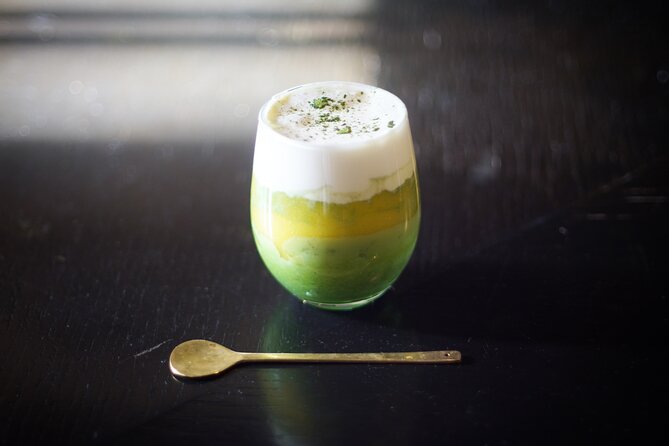
You might also encounter fruit-forward matcha or tea drink styles during the hands-on mixology portion, since the workshop emphasizes natural ingredients like fruit. The point is not the exact flavor name. The point is that you learn how to build a drink that makes sense with your tea base, rather than trying to force matcha or hojicha into a generic cocktail formula.

Tea Blending Take-Home: Recipes and Samples for Real Practice
The best souvenirs are the ones you use. This workshop gives you small samples of tea to take home, plus recipes for the beverages you learned to make. That matters because tea is one of those travel flavors that can fade from memory fast unless you recreate it.
With samples, you can brew at home and compare your results to what you learned in class. You can also share with loved ones back home, which is a nice way to make the trip feel tangible. The recipes help you repeat the process, even if you forget a detail like the exact temperature or the order you should prepare things.
In practical terms, you are likely to leave with more than a “tasty moment.” You should leave with brewing confidence. If you try the teas again later, you will start to notice the patterns: what tastes right, what tastes too bitter, and what needs a tweak. That feedback loop is how you become the kind of person who can pick a tea type and brew it with intention.
Price, Group Size, and Value for Two Hours
The price is $54.46 per person for about two hours. On paper, that sounds like a specific number, but the real value comes from what you get for it: multiple tea types, hands-on brewing practice, cocktail-style mixing with fruit and alcohol, and tastings plus sweets. You are paying for instruction and ingredients, not just one drink.
The group size also helps justify the cost. With a maximum of 3 travelers, the workshop avoids the “sit quietly and wait your turn” problem common in some food experiences. In a small group, you get more feedback while you are brewing, which is where you actually learn.
The fact that it is booked around 60 days in advance on average also tells you something about demand. If you are traveling during a busy season or right before a major holiday, plan ahead so you are not stuck choosing between this workshop and something else.
If you are a tea lover, this price can feel easy to accept because it aligns with your interests. If tea is only a casual curiosity, I would still consider it, but only if you like hands-on cooking or mixing. The workshop is interactive by design.
Who Should Book This Osaka Tea Workshop?
This is an excellent match for you if any of these sound like your style:
- You like hands-on experiences where you learn by making
- You want to taste multiple Japanese teas and understand what makes them different
- You enjoy food culture that mixes tradition with a modern spin
- You travel in a small group or as a couple and want a more personal class
It is also a good fit for anyone who has tried matcha or hojicha before but wants to learn why the best versions taste different. If you have ever felt like bottled tea does not taste the same as what you get in Japan, you will understand that gap after learning proper technique and seeing how temperature and tool use change the cup.
On the other hand, if your goal is purely sightseeing or you prefer passive experiences, you might find it a lot of tasting and mixing for a short time. The workshop is relaxed, but it is still an active session. Bring curiosity, not a plan to watch silently.
Practical Tips So You Get the Most Out of 2 Hours
Since the class is about two hours and starts at 3:00 pm, I suggest you treat it like a scheduled event, not a casual stroll. Arrive a few minutes early at the Namba Yasaka Jinja meeting point so you can settle in and start on time.
Wear something comfortable for standing and handling tools. You are not doing anything strenuous, but you will be working with brewing actions and tasting repeatedly. If you have strong taste preferences, think about what you like most, since the workshop is designed around adapting to your preferences.
It also helps to come ready to ask questions about brewing temperatures and technique. That is where you pick up the details that let you reproduce the results later. And because the group is small, the experience has room for conversation without turning into a rigid lecture.
Finally, leave space after the workshop for a relaxed meal. You will have sweets as part of the class, but you will still want a proper dinner after learning and sampling. Ending back at the meeting point makes it simple to plan your next stop.
Should You Book This Osaka Tea Blending Workshop?
Book it if you want a hands-on Japanese experience that goes beyond tasting and turns into a real skill. The combination of multiple tea styles, technique instruction, fruit-and-alcohol cocktail mixing, and take-home samples makes the two hours feel purposeful.
Skip it only if you are not interested in brewing details or you prefer passive activities. This is not a quick photo-and-sip event. It is a small-group workshop where you practice, taste, and leave with what you need to make Japanese tea at home.
If you fall in the tea-loving, curious-foodie category, I think you will consider it time well spent, even at $54.46. It is the kind of souvenir that keeps working long after your Osaka day is over.
FAQ
Where does the tea blending workshop start?
The workshop starts at Namba Yasaka Jinja, 2-chōme-9-19 Motomachi, Naniwa Ward, Osaka, 556-0016, Japan.
What time does the workshop run, and how long is it?
It starts at 3:00 pm and lasts about 2 hours.
How many people can be in the group?
The maximum group size is 3 travelers.
What teas will I brew during the class?
You will brew Japanese sencha (green tea), wakocha (Japanese black tea), oolong tea, hojicha (roasted tea), and matcha.
Do you make tea cocktails or just taste them?
You do hands-on drink activities using natural ingredients like fruit, and you’ll infuse drinks with alcohol. You will also sample a tea cocktail, plus traditional Japanese sweets.
Will I take anything home?
Yes. You can take home recipes and small samples of the teas and beverages you make so you can enjoy them later.
Is the ticket mobile?
Yes, the workshop uses a mobile ticket.
Is free cancellation available?
Yes. You can cancel for free up to 24 hours in advance for a full refund. If you cancel less than 24 hours before the start time, the amount paid is not refunded.
More Tour Reviews in Osaka

More Tea Rooms Worth Booking
Latest out of Osaka


Tea Ceremony & Matcha Sessions in Osaka, side by side.
 ★ 4.9Osaka: Tea Ceremony ExperienceFrom $251,426 reviews
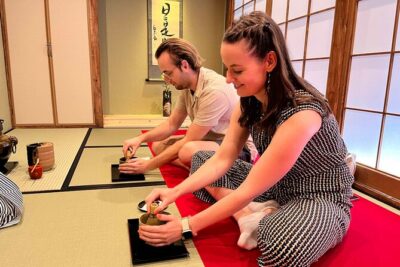 ★ 5.0Tea Ceremony Experience in Osaka DoutonboriFrom $20754 reviews
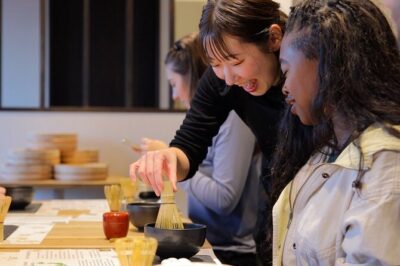 ★ 5.0Matcha Making Class in Osaka with Authentic Japanese Sweets SetFrom $21509 reviews
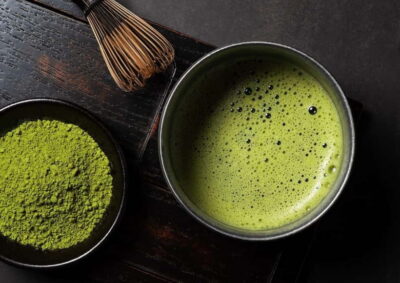 ★ 5.0Osaka: Matcha Making Experience with Japanese SweetsFrom $22146 reviews
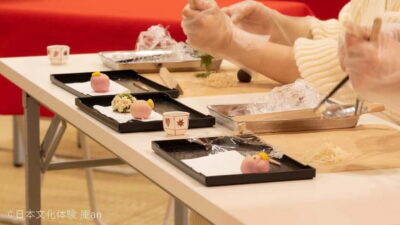 ★ 4.7Osaka: Japanese Traditional Sweets Making and Tea CeremonyFrom $18118 reviews
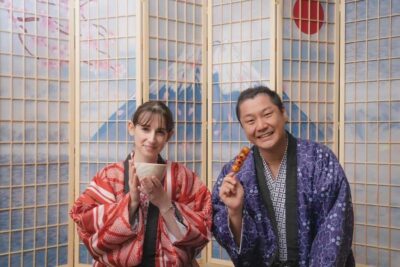 ★ 4.9Osaka Temple Cool Foot Bath & Matcha Experience〈45min〉From $3482 reviews
 ★ 5.0Samurai Show, Tea Ceremony, Japanese Traditional ActivitiesFrom $4456 reviews
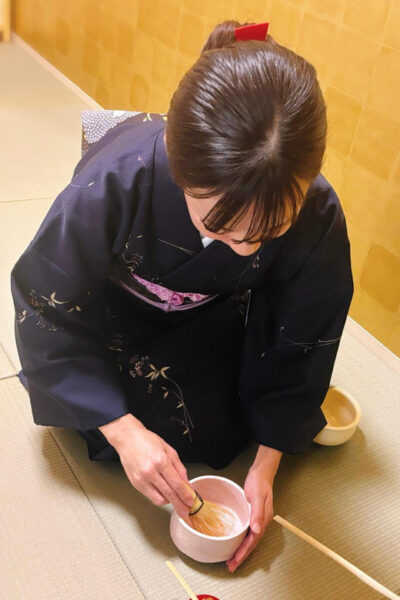 ★ 5.0Osaka: Private Tea Ceremony and Calligraphy ExperienceFrom $6450 reviews
Also worth a look in