
REVIEW · TICKETS
TeamLab Botanical Garden Osaka Ticket
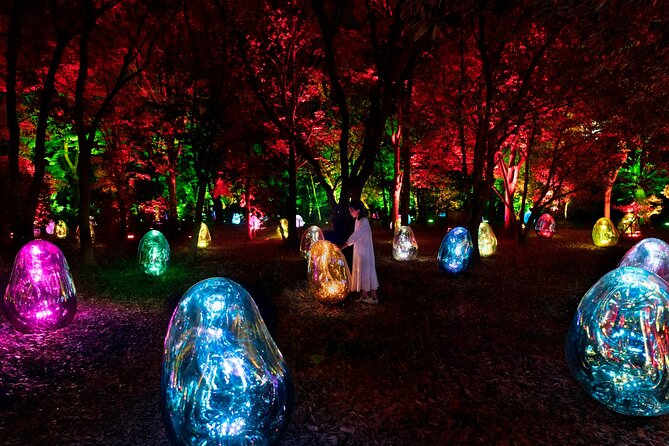
A stroll at night becomes a moving light show. teamLab Botanical Garden Osaka is a ticketed nighttime walk in Nagai Botanical Garden, where digital art responds to your presence and the sounds carry through trees and water. I especially love the way the experience turns quiet nature into an interactive sequence, and how the Oike Lake scenes with glowing lamps feel genuinely different from a standard light display.
The big caution is simple: if you hate long, repetitive sections or you expect lots of hands-on interaction to work perfectly, you may feel underwhelmed. Reviews skew mixed, with complaints about ticket lines and the art feeling more like lighting and photos than consistently interactive moments, even if the colored lights are pretty.
Key things to know before you go
- Night-only timing: The garden is open for this experience from 7:00 PM to 9:00 PM
- Interactive light and sound: Pathways and scenes are designed to react as you move through the space
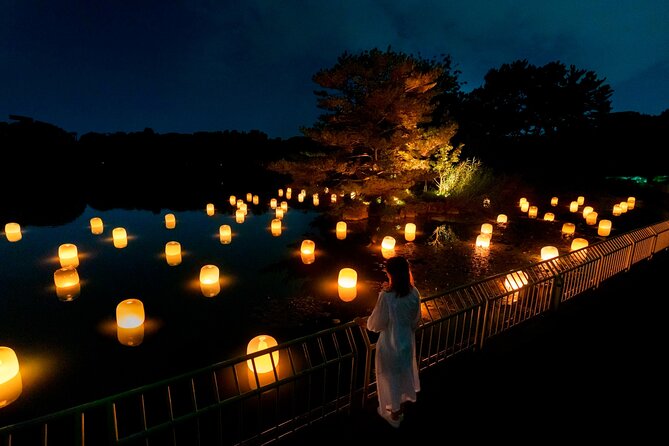
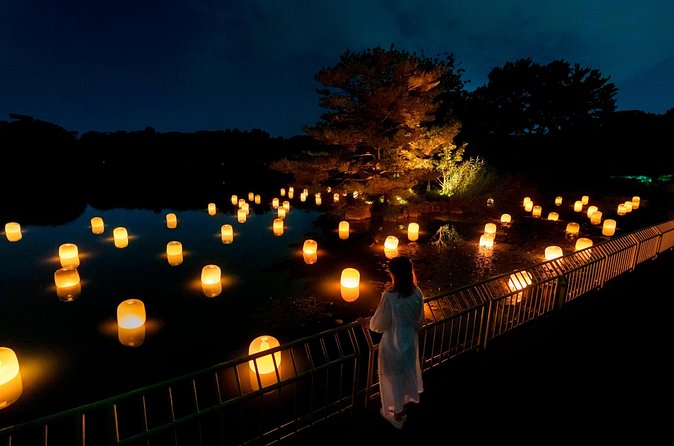
- Oike Lake highlight: Floating resonating lamps create ripples of light across the water
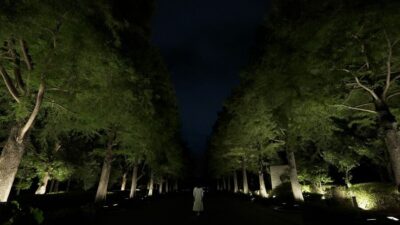
- Bald cypress forest effect: A cypress area is known for changing as the show plays
- Bring your patience for entry: Ticket booth lines can get long if you show up without a ticket
- No extra camera gear: Monopods, tripods, selfie sticks, and similar equipment are prohibited
Night hours turn Nagai Botanical Garden into a light-and-sound walk
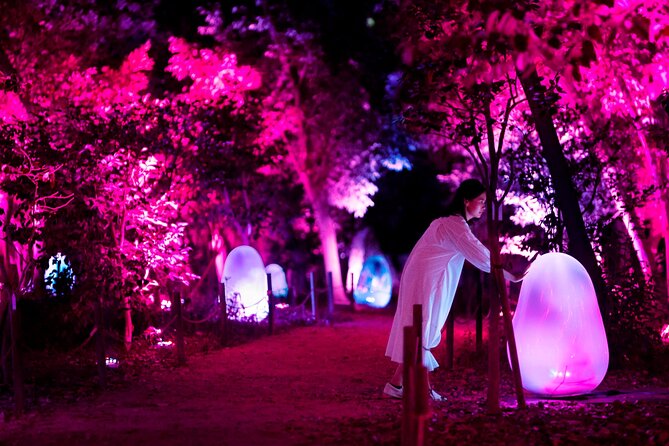
This is not a daytime garden ticket. The schedule is tight and the vibe is very specific: from 7:00 PM to 9:00 PM, the venue turns into a nighttime art experience built around sound, light, and the feeling of moving through a living artwork.
You’ll be walking through the garden’s paths after dark, with scenes that rely on low light and coordinated audio. That matters for your planning. Come rested, wear shoes you can walk in for about 1 to 2 hours, and set expectations that you are there for atmosphere as much as “things to do.” It is closer to an evening art walk than a classic garden stroll.
Also note the venue rules that shape the experience. Outside food and drinks are not allowed, smoking and drinking are not allowed, and there is no luggage storage. If you’re touring Osaka that day, keep your carry-on minimal so you are not stuck juggling bags while you try to enjoy the flow of the installations.
Set this against a few other Osaka bookings:
Your 1 to 2 hour route through glowing botanical scenes
There’s one main destination, teamLab Botanical Garden Osaka, and the “itinerary” is really your movement through a sequence of light zones. You start by entering the garden area that has been transformed for nighttime. As you follow the pathways, you should expect multiple moments where the art responds to your motion and where the audio blends into the setting.
Think of it like this: you are not just looking at a garden with lights added on. The installations are designed to create a cause-and-effect feeling. You step into an area, the light responds, and sound echoes around the trees and water. That sensory pairing is a big part of why this ticket is worth considering for night owls and people who like experiences that feel more like a show you walk through than a gallery you stand in.
The main drawback I want to flag is variety. Some people come away thinking each section takes too long and feels too similar. If you are the type who wants frequent “new wow” moments every few minutes, plan your mindset. You’re here for a sustained mood, not a rapid-fire checklist of different attractions.
Floating resonating lamps on Oike Lake
One of the standout scenes is the Floating Resonating Lamps on Oike Lake. This is exactly the kind of installation that makes people stop mid-path and just stare at the reflections. Instead of only glowing points in the air, you get light moving across the water surface, with a ripple effect that matches the ambient music.
For you, the practical takeaway is timing and pacing. If you rush, you’ll miss the water patterns. Slow down when you reach the lake area and give your eyes a few minutes to adjust to the dark. That’s when the lamp motion and the water effects start to feel like part of the same rhythm.
It also helps to step slightly off to the side rather than standing directly in the busiest center lane, if crowd flow allows. Not because you need a secret view, just because the lake scenes look best when you can see the reflections without constantly bumping into people.
The bald cypress forest effect as you move
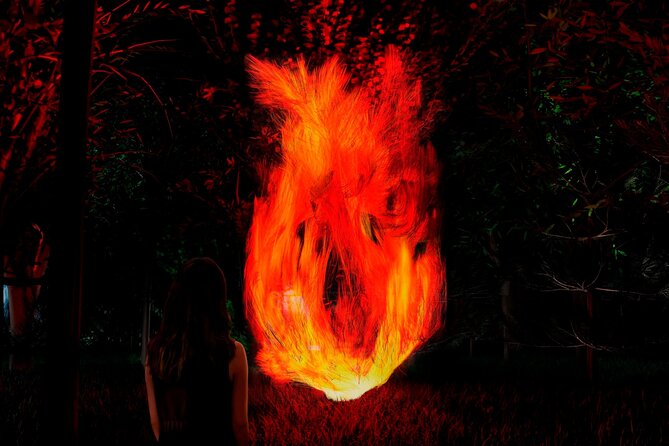
Another major highlight is the luminous bald cypress forest, described as changing as the show plays and as you move through it. This is where the experience shifts from “beautiful lights” to a more immersive sense of being inside the artwork, because trees become part of the visual language.
The cypress area is also a good reminder that this experience depends on environmental cues. Flashing lights and loud noises are possible due to the artworks, so if you are sensitive to that, keep it in mind before you go. Even if you’re not especially sensitive, it’s a smart move to expect that the sound design can be noticeable.
How you move through this section matters. If you’re constantly stopping and starting, you may experience the show in fragments. If you keep a steady pace, you get more of the intended progression.
When interaction feels real, and when it can disappoint
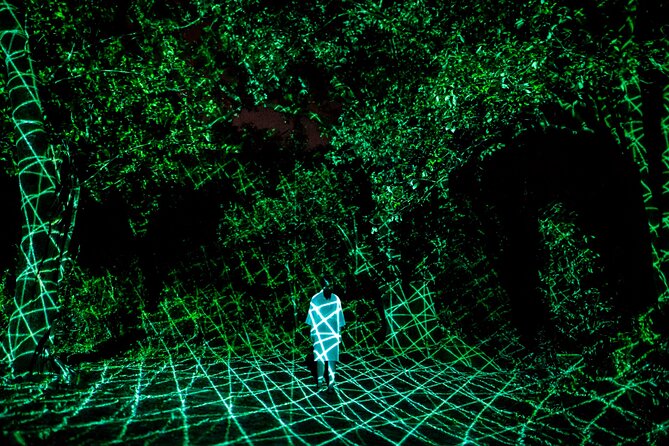
The promise around this ticket is interaction: lights respond to your movement and scenes make you feel like you’re part of the show. That sounds great on paper, and when it works the way it is designed, it can feel magical in a simple, no-tech way.
Still, I would manage expectations. Reviews were critical about interaction not working reliably at times, with complaints that the experience felt more like lights in a forest and less like consistent hands-on moments. That does not mean the whole experience is bad. It means you should treat the interaction as a bonus, not the only reason you’re buying.
If you want a safe rule of thumb, aim to enjoy it as a light-and-sound walk first. If you also get moments where the installation reacts to you, that’s an added layer. But don’t build your trip around the assumption that every prompt will work perfectly.


Photo and video rules, plus how to get good shots anyway
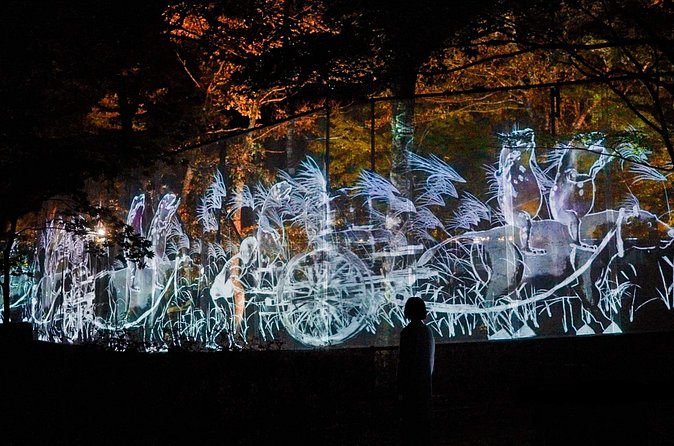
Because this is an art space built around light timing, photography can be a tricky thing. The venue prohibits monopods, tripods, selfie sticks, and other auxiliary equipment. That’s for space and safety reasons, but it also affects how you shoot.
So plan to use a phone or small camera handheld, and accept that you may not get long exposure tricks. The best photos here tend to come from being in the right moment and letting your eyes guide you, not from fancy gear.
Here are a few practical tips that don’t require guessing rules that the venue might enforce:
- Keep your phone low while walking, and only lift it when you stop. It keeps the crowd moving.
- Watch how people line up around the lake scene, then adjust your position to avoid blocking others.
- Expect flashing lights, and consider turning off any slow-to-start camera modes that might miss the peak moment.
Also, no re-entry after you leave. So if you step out to take a breather or grab something, know that you likely cannot come back into the art area.
Price and value for an Osaka night plan
At $28 per person, this ticket sits in the category of paid nighttime experiences. You’re paying for time, atmosphere, and the teamLab-style blend of digital art with a garden setting.
Where the value feels strongest:
- You want a structured night activity that is clearly “an event”
- You like light-and-sound shows and want to walk through them at night
- You enjoy photo-ready scenes like the lake lamps and the cypress forest
Where the value can feel weaker:
- You were hoping for lots of distinct zones with high variety
- You want consistently working interaction moments
- You hate lines, because ticket booth queues have been reported as extremely long
If you hate waiting, pre-buying your ticket is the easiest way to protect your evening. If you do end up in line, it can also help to treat the line time as part of the experience, not wasted time. Still, do everything you can to arrive prepared so the art time starts on schedule.
Timing: go early in the 7:00 PM window and plan to stay
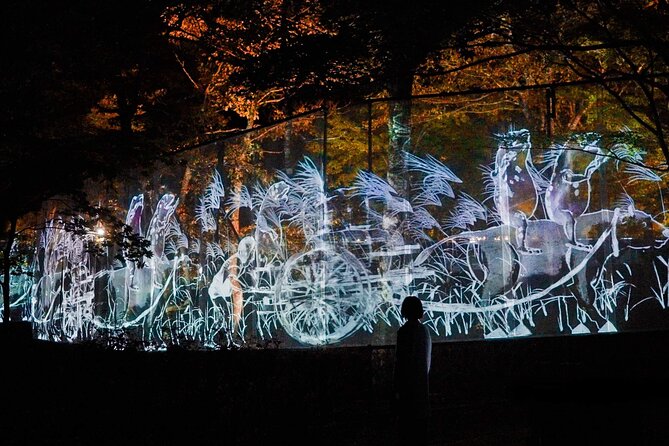
The experience runs 7:00 PM to 9:00 PM. That’s a narrow two-hour window, so late arrivals risk you missing parts of the show or feeling rushed through the areas you want to see.
A good strategy is to arrive with a buffer, then enter and settle into a steady pace. Since duration is about 1 to 2 hours, you can fit this neatly into a broader Osaka evening. Just remember: once you leave, you can’t re-enter. So if you want dinner afterward, you should do it after the ticket experience, not during a planned break.
And since the venue is near public transportation, use transit as your default plan. That reduces the odds you’ll lose time hunting for parking.
Who this fits well, and who should think twice
This works best for couples, families, and solo travelers who want a nighttime “walking show” and like the idea of nature plus digital art. If you enjoy the aesthetics of glowing installations and the sensation of sound shaping a dark space, you’re likely to have a good time.
It may be less satisfying if:
- You want constant novelty and short segments packed with different scenes
- You care most about guaranteed interactive effects
- You expect the experience to keep changing so dramatically every few minutes that you never feel repetition
The reviews were harsh in tone, but the complaints help you decide. If you’re the type who gets bored when sections feel long, you’ll want to go in knowing that the show is more about sustained mood than breakneck variety.
Should you book this teamLab Botanical Garden Osaka ticket?
If you love nighttime light shows, and you’re excited by the idea of the Oike Lake lamp reflections and a changing cypress forest, then yes, this can be a fun Osaka evening. The $28 price feels fair when you treat it as a walk-through artwork and you don’t demand every interaction to be hands-on and perfect.
If you go hoping for nonstop variety and lots of reliable interactive moments, I would think twice. Based on what I’ve seen in feedback, some people come away feeling that it is more photos and lights than consistently interactive art.
My practical recommendation: book if you can go with patience, arrive ready for a 1 to 2 hour nighttime stroll, and bring realistic expectations. If your main goal is a highly varied attraction with guaranteed interactive success, look at other night plans in Osaka first.
FAQ
What time does teamLab Botanical Garden Osaka operate for this ticket?
The experience is open daily from 7:00 PM to 9:00 PM.
How long does the experience take?
Plan for about 1 to 2 hours.
Is the admission ticket included in the price?
Yes, admission to the attraction is included.
Is there free cancellation?
Yes, free cancellation is offered. You can cancel up to 24 hours in advance for a full refund.
Are outside food and drinks allowed inside?
No, outside food and drinks are not allowed inside the venue.
Can I bring a backpack and store it at the venue?
There is no luggage storage facility at the venue, so you should travel light.
Can I leave and come back later using the same ticket?
No, re-entry is not allowed after you leave the venue.
Are there restrictions on cameras or tripods?
Yes. The use of monopods, tripods, selfie sticks, and other auxiliary equipment is prohibited.
Skip the Window: More Osaka Tickets





More Tour Reviews in Osaka





Latest out of Osaka


Tickets, side by side.
 ★ 4.5Osaka Castle: Museum and Tower Entry TicketFrom $72,380 reviews
 ★ 4.5Osaka: teamLab Botanical Garden Entry TicketFrom $111,710 reviews
 ★ 4.6Osaka: Umeda Sky Building Official E-TicketFrom $121,131 reviews
 ★ 4.7Osaka/Kyoto: Hiroshima Miyajima Bus Tour & Shinkansen TicketFrom $277919 reviews
 ★ 3.6Osaka: Expo 2025 Admission TicketFrom $25251 reviews
 ★ 5.0Meet Osaka local Friend & Fun Chat All We Can Drink Party TicketFrom $78201 reviews
 ★ 4.2Osaka: Abeno Harukas 300 Observatory E-TicketFrom $3169 reviews
 ★ 3.8Osaka: Tsutenkaku Tower Entry TicketFrom $8125 reviews