
REVIEW · OSAKA HIGHLIGHTS & MUST-SEE TOURS
Osaka: Visit the must-see places.
Neon, temples, and castles in one sweep. I love how Osaka Castle sets a strong historical tone right at the start, and I love that the experience is guided in Spanish by Manuel Pérez, with explanations that connect each stop to what makes Osaka Osaka.
One possible drawback: this is a walking-and-subway route, so you will want comfortable shoes and you should plan for some time on your feet. It is also not suitable for wheelchair users, and baby carriages are not allowed.
Key things to know before you go
- Manuel Pérez guides in Spanish, with clear storytelling that keeps the day understandable and easy to follow.
- Osaka Castle first gives you the Sengoku-era context before you move into temples and neighborhoods.
- Two major temples in one flow: Shitennoji Temple and Isshin-ji Temple, each with a very different feel.
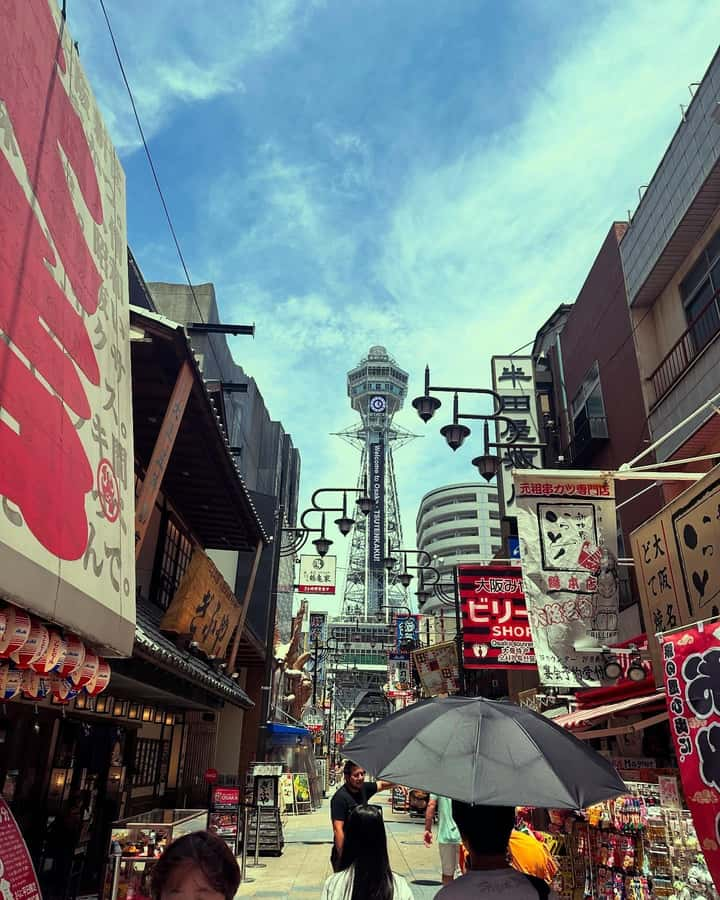
- Shinsekai is the food-and-neon pause, including the chance to try kushikatsu and see Tsutenkaku Tower.
- Kuromon Market hits the gastronomy angle, with options like seafood, sushi, and wagyu beef.
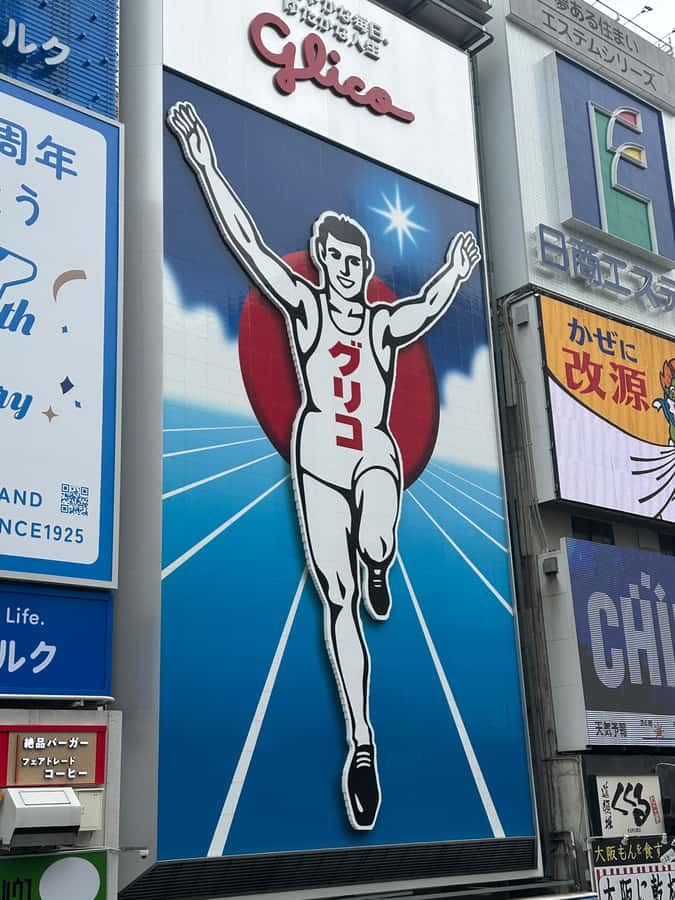
- Namba and Dotombori finish strong with famous signs like Glico Man and the Kani Doraku crab.
A Spanish guided day that strings Osaka icons into one story
This is the kind of Osaka tour that works best when you want “the highlights,” but also want the meaning behind them. You get history, religion, street life, and food in a single route, so you are not stuck bouncing around the city alone and guessing what matters most.
I especially like that you start with a big landmark and then keep momentum. Osmanaka Castle and its Sengoku-era backstory set the stage, then the day pivots to temples that show how Buddhism took root in Japan and how communities handle memory and mourning. After that, the tour swings to Shinsekai for retro street energy, Kuromon Market for snacks and local specialties, and finally Namba and Dotombori for the lights that Osaka is famous for.
This route is extensive in the sense that it covers a lot of neighborhoods. If you prefer slow travel, shorter walks, and lots of downtime, you might feel rushed.
Other one-day sweeps of the city
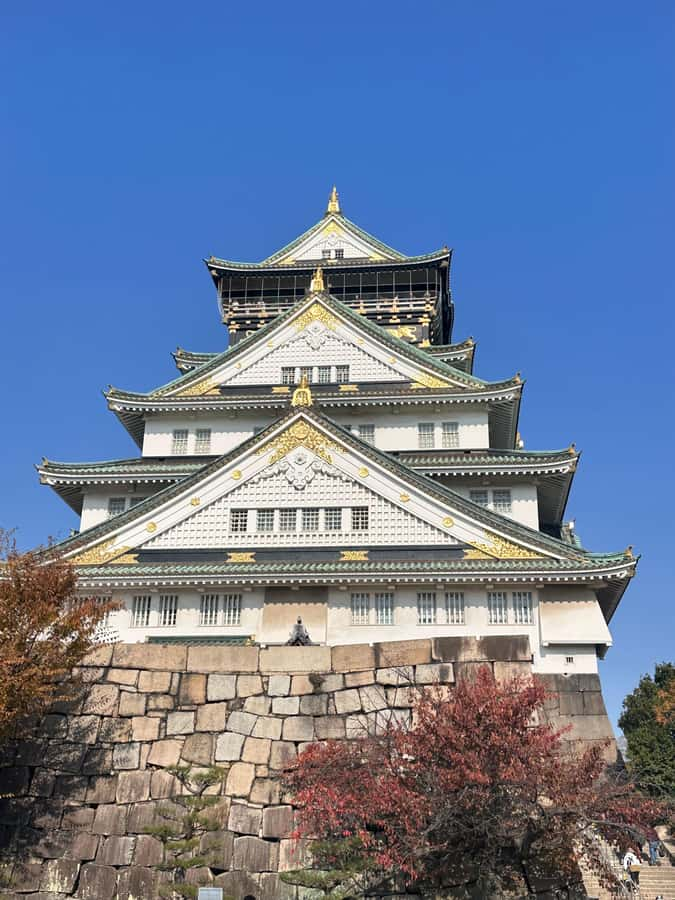
Osaka Castle and the Sengoku-era power at the start
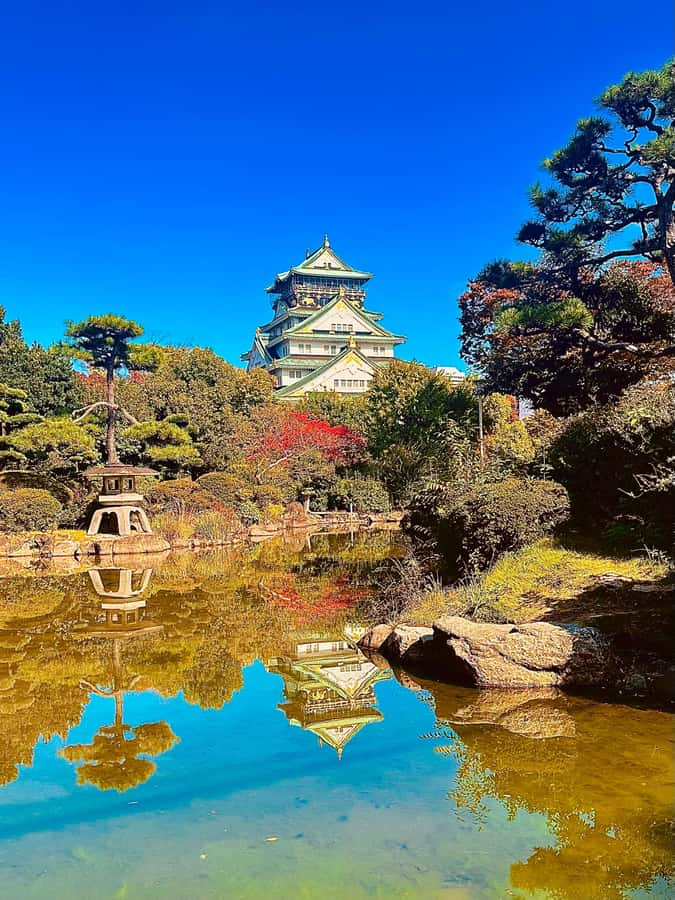
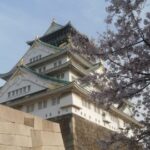
You begin at Osaka Castle, tied to Toyotomi Hideyoshi and the 16th century. Even before you get too far into details, the scale and presence of the site do the heavy lifting. You are walking in a place that still feels like a center of control, not just a photo stop.
What makes this first stop valuable is the order. When you learn why the castle mattered during the Sengoku period, you end up looking at the rest of Osaka with a different lens. Later, when you visit temples and neighborhoods that feel calmer and more everyday, you notice the contrast even more.
The castle area also gives you room to breathe. You explore the surroundings and the park, which helps break up the rhythm. Practical note: wear shoes you trust. Even if you are not sprinting from spot to spot, you will likely cover enough ground that flimsy soles feel like a bad idea.
Shitennoji Temple, Japan’s oldest Buddhist temple moment
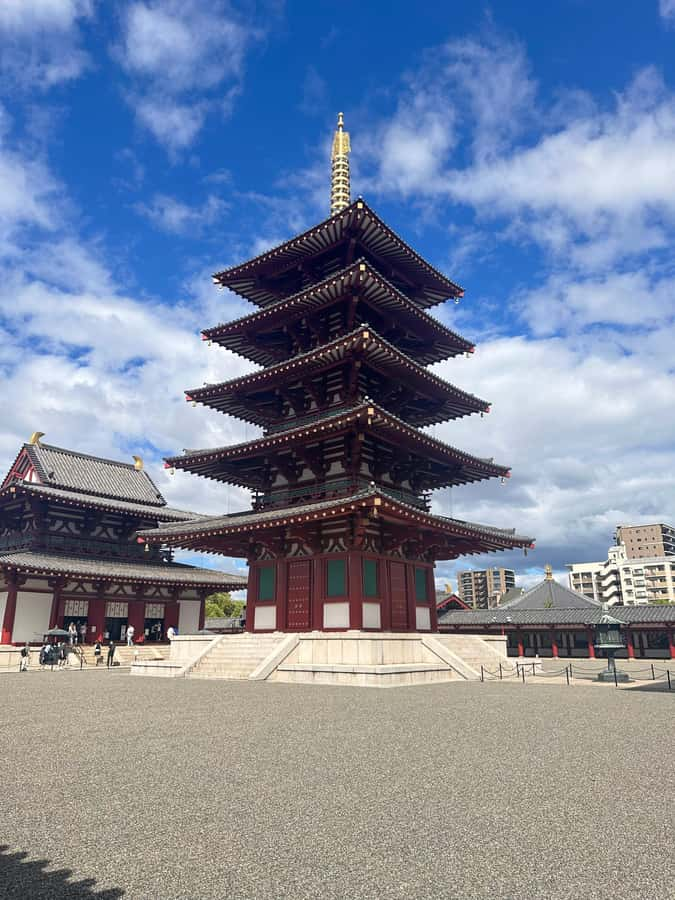
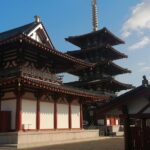
Next comes Shitennoji Temple, described as the oldest Buddhist temple in Japan, founded in 593. That kind of date immediately changes how you experience the place. It is not just an old building. It is a living historical link to early Buddhism in Japan and its impact on culture.
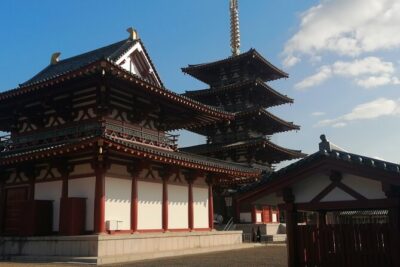
You walk through the garden, which helps keep the visit from feeling like a checklist. The five-story pagoda is a key visual anchor here, and it gives you something to look at that feels both elegant and sturdy. The vibe is calmer, and it is a nice shift after the more outward, political feeling of the castle.
A big plus is that your guide explains the why, not only the what. You get the sense of how a site like this connects belief, community, and daily life across centuries. If you enjoy temples for their art and atmosphere, you will probably feel at home here.
One consideration: temple visits require a bit more patience than shopping streets. If your ideal day is only food and neon signs, you may need to appreciate the slower pace as part of the deal.
Isshin-ji’s human-ash statues and the culture of remembrance
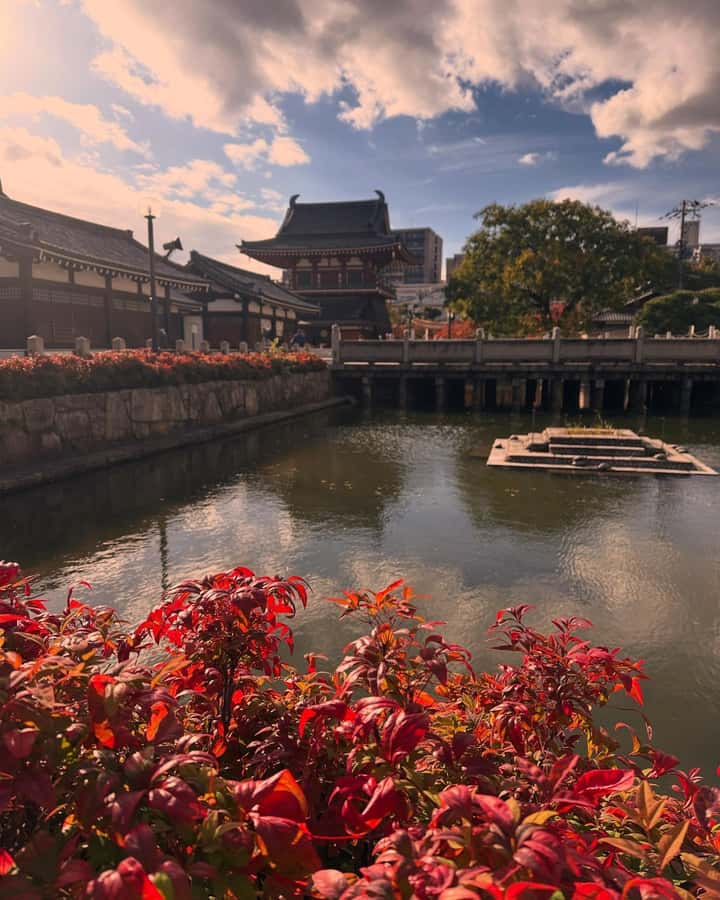
Then you head to Isshin-ji Temple, where the standout feature is the Buddhist statues made from human ashes. That detail is not subtle, and it carries weight. The experience is described as a deeply spiritual place, showing the connection between religion and funeral culture in Japan.
If you are the type of traveler who likes understanding customs, this stop will be a real eye-opener. It helps you see that in Japan, religion is not only about temples as buildings. It also shapes how people honor the deceased and how communities treat memory.
Because this is such a specific and unusual tradition, it can also be emotionally intense for some people. If you are sensitive to funeral themes, you might want to mentally pace yourself and take the visit as a short, respectful moment rather than a long absorbing lesson.
Still, for many visitors, this is the part that makes the day feel more than just sightseeing. It turns Osaka into a place with layers, not just a place with landmarks.
Shinsekai neon nostalgia, Tsutenkaku views, and kushikatsu
After two temple stops, the tour moves into Shinsekai, described as nostalgic and full of neon lights, traditional restaurants, and a retro atmosphere. This is where Osaka starts feeling like street culture again, not ceremonial space.
The big visual marker here is Tsutenkaku Tower. Seeing it while walking the neighborhood helps the area click into place. It is one of those “you know it when you see it” structures, and it gives you a sense of why Shinsekai became the kind of place people talk about.
And yes, food enters the scene. You have the opportunity to try kushikatsu, fried skewers, which is exactly the kind of simple, Osaka-style snack that works well during a walking tour. The best part is timing: you are already close to a cluster of eating spots, so you do not have to mentally plan a meal reservation or search hard for something that fits.
If you dislike crowds or loud street energy, go in with realistic expectations. Shinsekai is part of Osaka’s louder side, and that is the point.

Kuromon Market for seafood, sushi, and wagyu bites
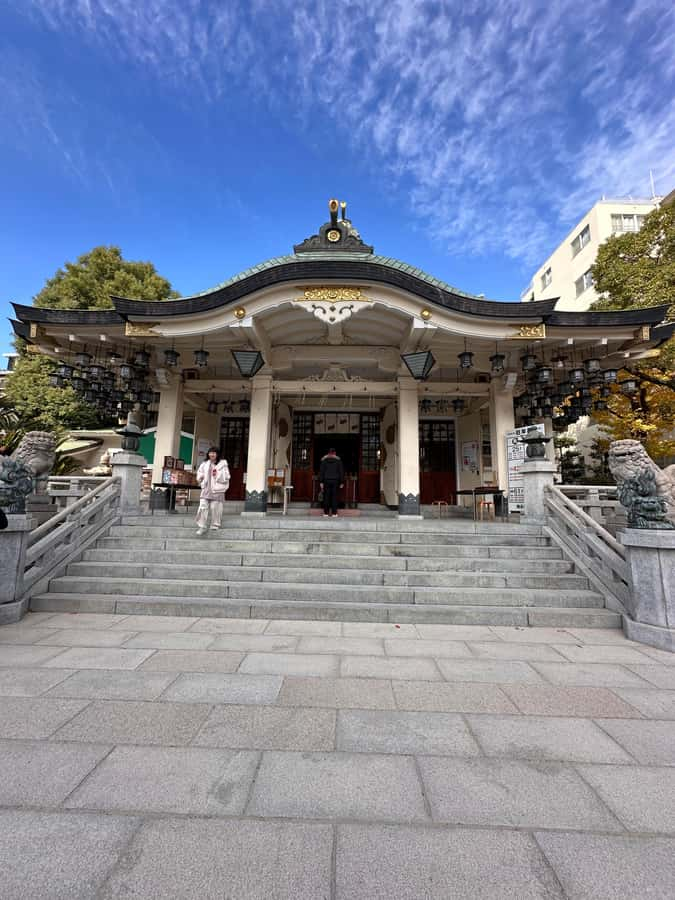
Next is Kuromon Market, one of Osaka’s essential gastronomic stops. The focus here is variety, especially fresh produce and local specialties. You can find things like sushi, seafood, and wagyu beef, and it is easy to let your curiosity lead.
This is a great match for how the tour is set up. After temples and neighborhoods, you get a place where your guide’s route sense matters, because markets can be confusing when you do not speak the language. Even if you do not do a full meal, market browsing is its own experience, and it is usually the best time to test out a couple of small items without committing to one big plan.
What I like about including the market is that it gives you a practical Osaka taste. You are not only learning about food culture, you are also surrounded by the reality of it. You can compare smells, stalls, and options, and make a choice that suits your appetite and budget.
Meals are not included, so keep a loose budget for market spending. If you are traveling with someone who wants to eat heavier, this stop can be a place to go big. If you prefer lighter sampling, you can keep it under control.
Namba and Dotombori, Glico Man and Kani Doraku crab lights
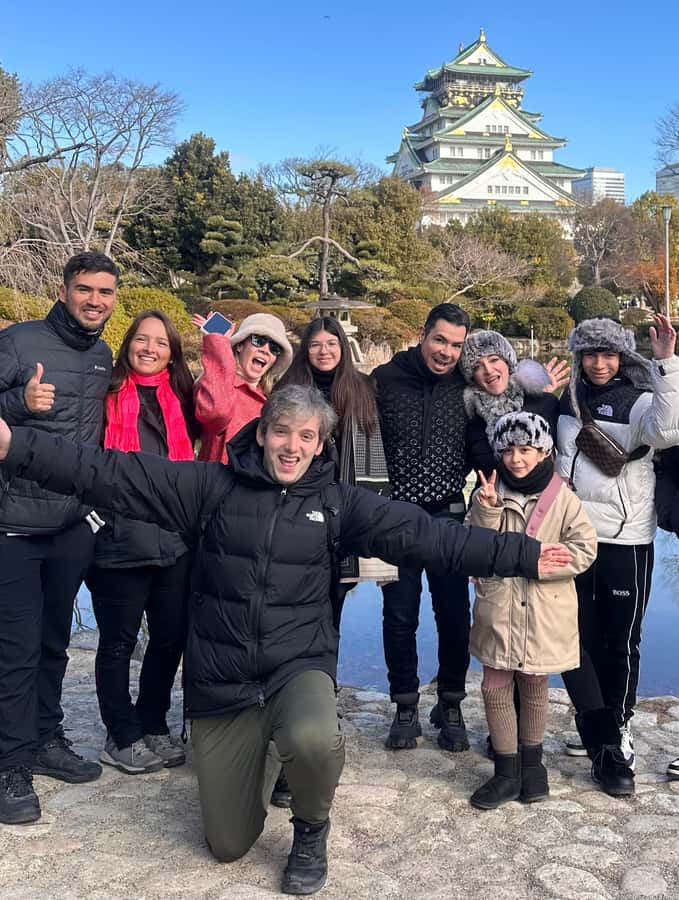
To close, the tour lands in Namba and Dotombori, Osaka’s lively heart. Here the mood is all about signage, street energy, and that unmistakable neon identity.
You stop in front of the iconic Glico Man, plus the famous animated crab of Kani Doraku. These are the kind of landmarks that work even if you never researched them. They are instantly recognizable and very “postcard Osaka,” but the real win is how they feel in motion, with people around and the streets alive.
This ending is smart for a couple reasons. First, it gives you a final burst of fun after the quieter temple moments. Second, you finish near areas where you can keep exploring on your own after the tour ends.
One more practical note: because Namba and Dotombori are picture-perfect, you might want to keep your phone or camera handy, but do not get so focused on photos that you forget to keep moving with the group.
Price, subway logistics, and what you should plan for
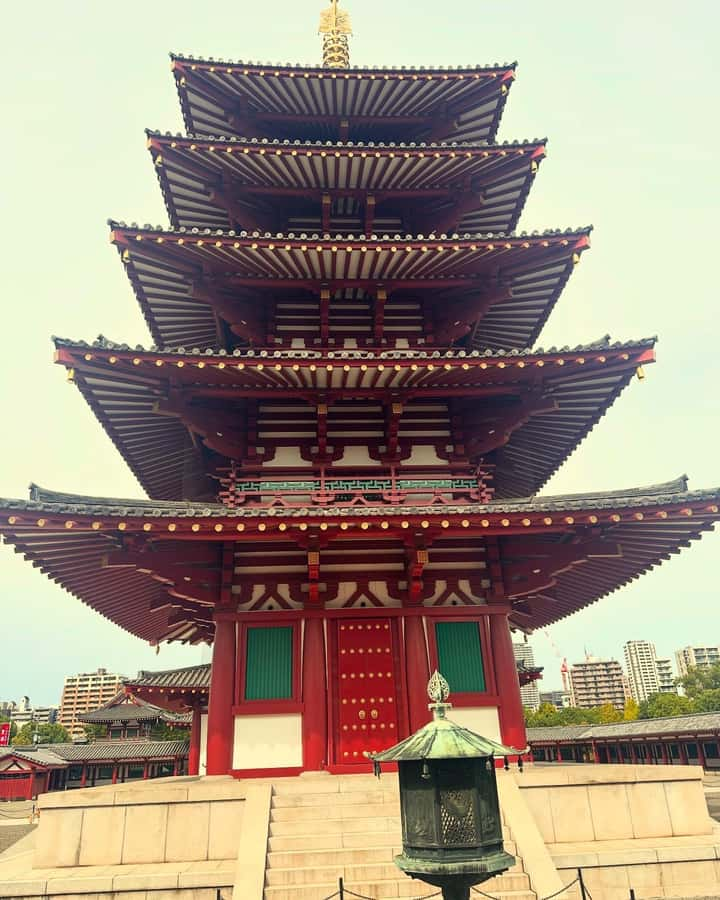
The price is $73 per person, and the value mainly comes from what is included: transportation by the tour guide. That matters on this route because you are using the subway during the tour.
Your guide will move you through multiple areas, and you do not have to worry about figuring out each transfer. But you do have a key requirement: during the subway portion, it is mandatory to bring cash or a transportation card like ICOCA, SUICA, or PASMO.
Because meals are not included, you should also plan for food spending. That is not a flaw, it is part of the design. Osaka’s best taste moments usually come from eating where you are, and this tour gives you built-in opportunities for that, like kushikatsu in Shinsekai and food shopping at Kuromon Market.
Bring cash for flexibility, and bring comfortable clothes that can handle warm weather and walking. The tour is not suitable for wheelchair users, and baby carriages are not allowed, so plan accordingly if you are traveling with mobility needs.
Who this Osaka must-see route fits best
This is a strong choice if you want a single, guided way to cover Osaka’s big categories: historic landmark, major temples, street neighborhood energy, and food stops. If you like your sightseeing with context in Spanish, you will appreciate the guide style described as attentive, helpful, and focused on making sure everyone is doing fine.
It is also a good fit for families who want structure. One review described a family trip with a 7-year-old where the guide stayed attentive to everyone, and that speaks to how the day can feel organized rather than chaotic.
If you are the kind of traveler who wants deep specialization in one topic, like temple architecture only, you might prefer a narrower tour. But if your goal is to get your bearings fast and hit the main Osaka signatures, this route delivers.
Should you book this Osaka highlights tour?
I would book it if you want the best-of Osaka day plan without the stress of navigating and deciding what comes next. Starting with Osaka Castle, then hitting Shitennoji and Isshin-ji, then shifting into Shinsekai, Kuromon Market, and finishing in Namba and Dotombori is a smart arc. It keeps you learning, then keeps you eating, then keeps you enjoying the street vibe.
I would think twice if you need lots of seating breaks, have mobility constraints, or dislike walking and subway connections. Also, because meals and drinks are not included, you should be ready to budget a bit for food, especially at the market.
If you bring cash or an ICOCA, SUICA, or PASMO card, wear good shoes, and are happy to follow a guided schedule, this tour is a practical way to see Osaka’s main faces in one day.
FAQ
How much does the Osaka must-see places tour cost?
The tour costs $73 per person.
What is included in the price?
The price includes transportation by the tour guide.
Are meals or drinks included?
No. Meals, drinks, and personal expenses are not included.
What should I bring for this tour?
Bring comfortable shoes and comfortable clothes, plus cash.
Do I need cash for the subway?
Yes. The tour travels by subway, and it is mandatory to bring cash or a transportation card such as ICOCA, SUICA, or PASMO.
Where is the meeting point?
The start is Exit 3B at Morinomiya subway station.
Where does the tour end?
The tour ends back at the meeting point.
What language is the tour guide?
The tour is in Spanish.
Is the tour wheelchair-friendly, and are baby carriages allowed?
The tour is not suitable for wheelchair users, and baby carriages are not allowed.
What is the cancellation policy?
You can cancel up to 24 hours in advance for a full refund.
More Tour Reviews in Osaka

The Whole City in a Day

Latest out of Osaka


Osaka Highlights & Must-See Tours, side by side.
 ★ 4.5From Kyoto/Osaka: Kyoto Top Highlights 1-Day Guided Bus TourFrom $51714 reviews
 ★ 5.0Private Osaka Walking Tour: Highlights & Hidden GemsFrom $81569 reviews
 ★ 4.7Osaka: Five Must-See Highlights Walking Tour & Ramen LunchFrom $56411 reviews
 ★ 4.5Ancient Capital Tour: Kyoto and Nara Highlights from Kyoto/OsakaFrom $90332 reviews
 ★ 5.0Walking Tour of Osaka’s 5 Must-See Sights, with Ramen for LunchFrom $58158 reviews
 ★ 5.0Osaka Highlights: 4-Hour Walking Tour with CastleFrom $80152 reviews
 ★ 4.85-Hour Osaka Highlights Bike Tour with LunchFrom $85146 reviews
 ★ 4.8Osaka: Walking Tour and Top HighlightsFrom $64104 reviews
Also worth a look in