
REVIEW · DRINKING TOURS
Meet Locals and Japanese Speaking Experience at British Pub Osaka
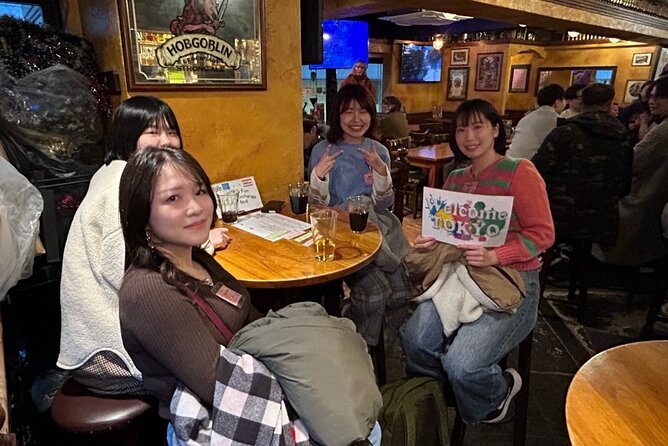
One good seat can change your Japan. At HUB Umeda Chayamachi, you land in a friendly British pub setup built for quick conversations, not textbook Japanese. I love the mix of Japanese locals and international residents, because it feels social and practical at the same time.
I also really like how the event uses topic cards and staff-made group changes so you do not freeze up after one awkward minute. You end up chatting with multiple people during the night, which is the fastest way I know to get comfortable speaking out loud.
One drawback to consider: your ticket price covers the event, but drinks and food are on you, so decide in advance whether you want to budget for alcohol.
Key things you will notice right away
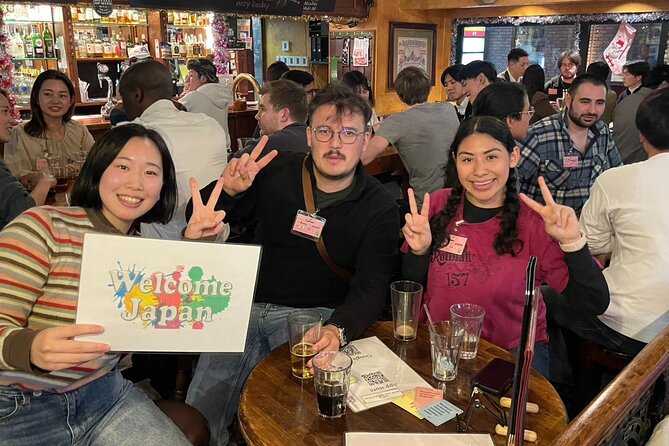
- Small mixed groups (3 to 4 people) so it stays conversational, not a big lecture
- Seat rotations mean you meet fresh people several times in one night
- Topic cards guide the chat when your Japanese feels rusty
- A 15-minute English conversation block helps you balance speaking and listening
- A pub meeting point that is near transit, which makes the whole plan easier
- Post-event hangs can happen naturally since many locals are friendly and chatty
Why a British Pub works for language exchange in Osaka
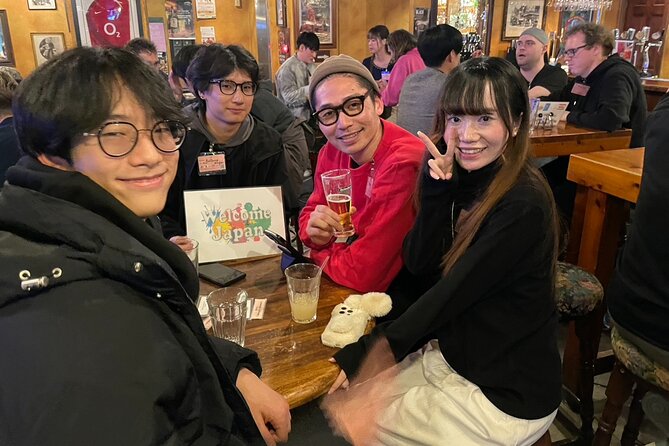
Osaka is great for food, nightlife, and people who talk to you like you belong. This experience takes that energy and puts it into a structured language exchange inside a British pub vibe at HUB Umeda Chayamachi. The result feels relaxed, but still purposeful.
I like that the goal is not to test your Japanese. The event is built around using what you know, picking up new phrases, and trying them right away with real people. Even if your Japanese is basic, you can still show interest and learn fast.
You should go in with a simple mindset: your job is to talk, not to perform. When you stop trying to be perfect, you start noticing how locals actually explain things, what they laugh at, and what topics spark the most friendly back-and-forth.
Bars found for you, a few more
HUB Umeda Chayamachi meet-up: the smoother way to start
The night starts at 7:30 pm at HUB Umeda Chayamachi. You check in at the reception, then buy your own drink from the store before you begin joining conversations. If you want the easiest time, show up a few minutes early, because getting oriented right away makes the whole event feel less rushed.
A real practical tip: the Umeda area can be confusing, and mapping apps can sometimes send you to the wrong exit or the wrong side of the station. I would plan your route with a buffer, then once you are close, use the pub as your anchor point and follow nearby signs.
Once you have your drink and your seat assignment, the event starts moving immediately. That fast start matters because it helps shy people too, you are chatting before you have time to overthink.
The “conversation machine” part: seat swaps and topic cards
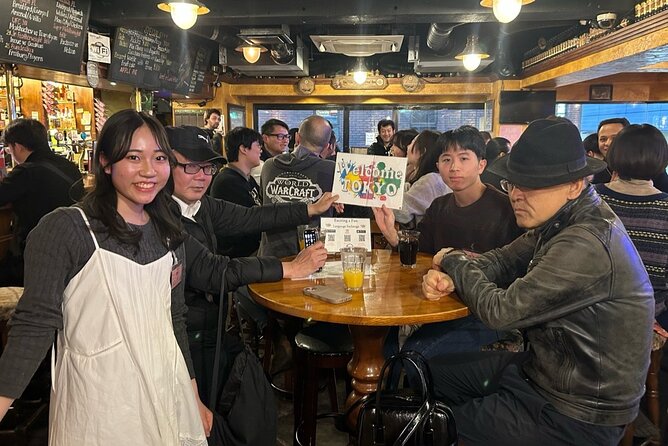
The main format is built to prevent that classic language exchange problem: sitting too long with one person and then running out of things to say. Your groups are mixed, then the staff changes seats so you get a fair chance to speak with multiple people during the 2 hours.
You can expect to meet 4 to 5 different people each time you change seats, which is a lot of chances in one evening. It also means you can learn different regional info from people across Japan, since everyone has their own travel stories and habits.
The event also uses topics cards, and that detail is bigger than it sounds. When your Japanese vocabulary fails, the card gives you a prompt to keep talking. You are not stuck waiting for inspiration. You can point to the topic, react, and then try describing your own experience in whatever words you have.
How to use the cards well:
- Pick one card and ask a simple question first, then follow up with what you did back home.
- If you do not know a word, try a related one. People usually understand the idea, not the perfect grammar.
- Listen for phrases you can steal later, then reuse them when you switch seats.
The event runs with staff support, so you are not managing the group structure yourself. That takes the stress out of “Will I be doing this right?”
The English block and how to use your Japanese without panic
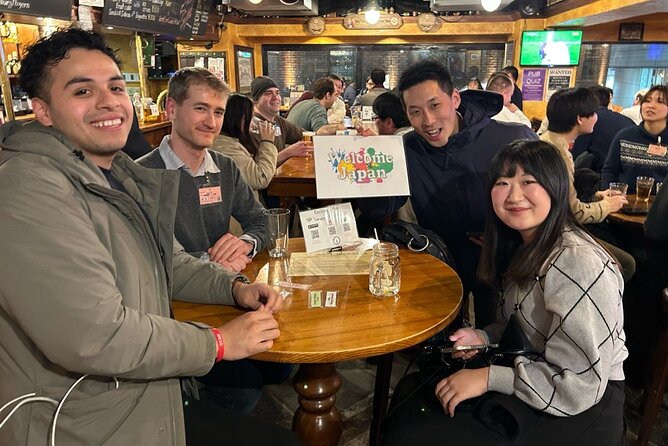
There is a scheduled period of 15 minutes of English conversation. That does not mean the whole event is English-only, but it gives you a built-in time window to practice clarity and listening without guessing.
Here is how I suggest you approach it: treat the English segment like a warm-up for your next Japanese attempts. If someone explains something in English, you can file it away, then later try to describe the same idea in Japanese when you return to your Japanese speaking mode.
The event also explicitly encourages you not to worry about mastering Japanese. You do not need perfect sentences. In real conversations, people respond to tone, effort, and interest. Your best move is to keep the interaction going, even if you use shorter phrases.
If you want to build momentum, use a small “repeatable tool kit” of phrases you can comfortably say, like questions about where someone is from, what they recommend, and what they would do in Osaka. You do not need long speeches. You need consistent prompts and friendly replies.
Meeting Japanese locals and international residents, the practical way
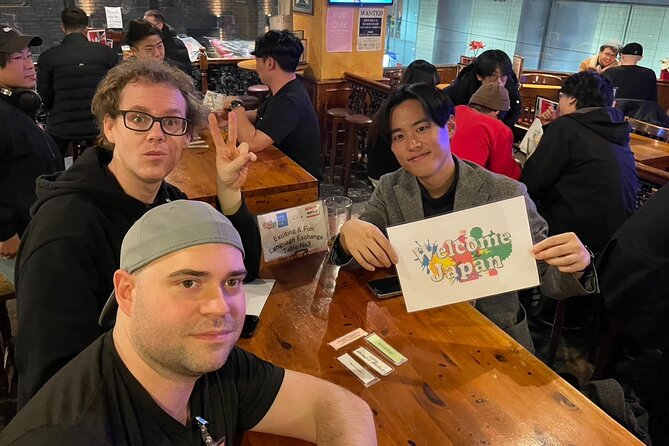
A language exchange is only fun when people feel comfortable enough to actually talk. The event is designed for that, with staff making 3 to 4 people per group and mixing Japanese locals with foreigners living in Japan.
I like that you get different perspectives in the same setting. Locals tend to share practical details you would not easily find online, like what neighborhoods are most convenient, how people handle transportation, and what kind of food or day trips are popular. International residents often add the angle of what it is like to live in Japan and navigate daily life.
This is also where your small wins matter. You might walk in worried about speaking. After a few seat changes, you start recognizing patterns in reactions, and you feel less pressure to know everything.
If you are traveling solo, this setup is especially valuable. Rather than trying to invent conversation with a stranger in a loud pub, you get structured prompts, and your group changes keep you from getting stuck.
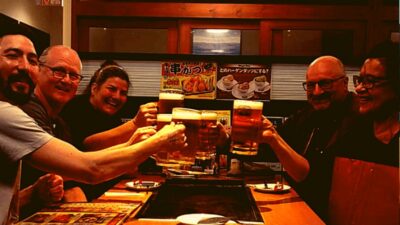
What you should budget: $30 value, plus your own drinks
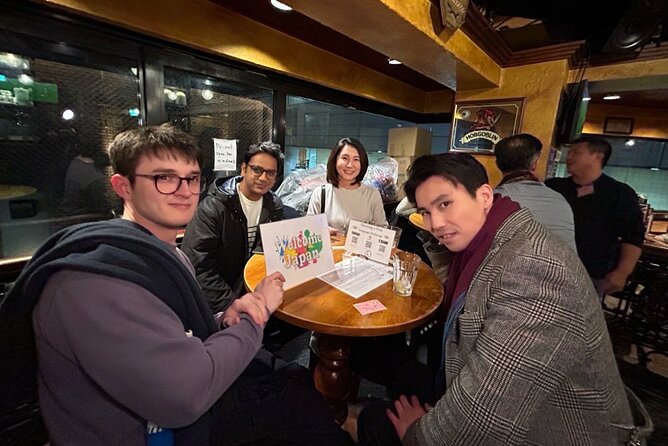
The price is $30 per person, for a 2-hour event in Osaka. Your ticket includes the event fees and taxes, but alcoholic beverages and food are not included, so plan to buy your own drink at the pub.
That can sound annoying if you expect the price to cover everything. But value-wise, it actually makes sense. You control what you order, and you are not locked into a set menu or drink policy. In a pub, that flexibility matters.
If you want to keep costs predictable:
- Decide your drink budget before you arrive.
- Consider ordering something simple at first, then you can focus on conversation rather than managing your spending.
- If you do not drink alcohol, you can still participate since the core is the language exchange format.
At $30 for a timed, staff-guided rotation in a social setting, I think it is a fair deal, especially if your goal is meeting people and practicing in a safe structure.
The actual 2-hour flow, so you know what to do
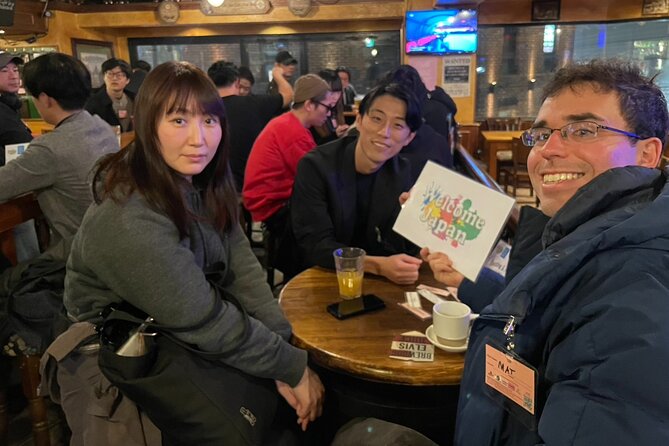
This is a straightforward evening plan. When you arrive, you check in, buy a drink, then join the event. Staff prepares the setup with seats per person and topic cards so you are not waiting around.
Your first conversations start right away, then later you switch seats. Each switch is your chance to restart with a new set of people, and that is what keeps the night from going stale.
The format has at least two key engines:
- Staff-guided mixing, so you do not just talk to the same person the entire time.
- Prompts via topic cards, so you always have something to react to.
You end up with a better balance of talking and listening, because you cannot rely on one person carrying the conversation. And because there is a mix of Japanese and international people, you can often find a rhythm where your Japanese attempts improve gradually during the night.
One small mindset tip: think of it like speed dating for conversation. You are not trying to win a conversation contest. You are trying to learn how people respond, then use that knowledge to respond back.
After-hours energy: when new friends want to keep going
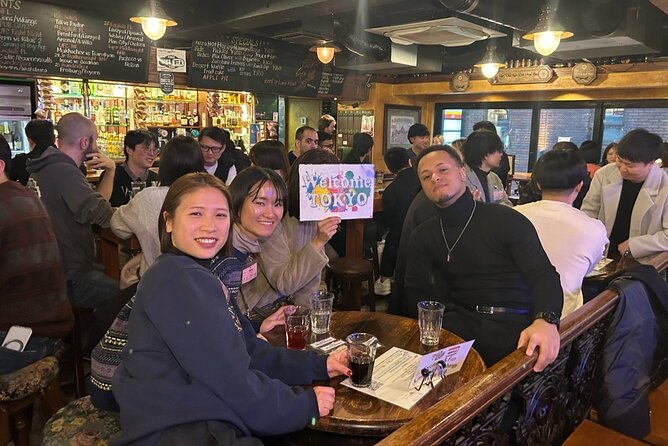
One interesting detail in the event vibe is that many participants form groups with like-minded people. Sometimes people spontaneously go out for drinks after the session.
This is not guaranteed, and it depends on the group. But it is a real reason to treat the event as more than a single chat. If you connect with someone, ask a simple follow-up question like what area they are heading to next, or whether they have plans after.
If you want to make a connection last, exchange contact information before the night ends. You are in a relaxed setting, so it feels natural rather than awkward.
Who this Osaka language exchange suits best
This experience fits best if you want:
- Real conversations in Osaka without studying first
- A low-pressure way to practice Japanese phrases and get feedback through context
- A structured social event where you meet multiple people in a short time
It is also a good fit if you are meeting Japan for the first time. Your biggest advantage will be curiosity and willingness to try, not your vocabulary size.
There is an age limit: participants should be over 20 years old. So if you are in that range, you will likely feel comfortable in the room. Most travelers can participate, and the meeting point is near public transportation, which helps if you are tired after a day of sightseeing.
If you hate organized group activities and you prefer totally free-form wandering, you might find the structured rotation less your style. But if you enjoy meeting people efficiently, this format is built for you.
Should you book Meet Locals and Japanese Speaking at British Pub Osaka?
Book it if your goal is simple: meet locals, practice Japanese in real conversation, and leave with names, stories, and at least a few useful phrases you actually used. The combination of seat rotations, topic cards, and mixed groups makes it hard to waste your night.
Skip it if you want a silent cultural activity, or if you strongly dislike group formats. Also be honest about budget, because drinks are extra and part of the pub experience.
My recommendation is yes, especially if you like the idea of learning Osaka through people, not through a script. Arrive a bit early, grab your drink, and let the conversation prompts do their job. You will be surprised how quickly speaking gets easier when the structure keeps you moving.
FAQ
Where does the tour meet?
It meets at HUB Umeda Chayamachi.
What time does it start?
The start time is 7:30 pm.
How long is the experience?
It lasts about 2 hours.
How much does it cost?
The price is $30.00 per person.
What is included in the ticket price?
The ticket includes all fees and taxes.
What is not included?
Alcoholic beverages and food are not included, so you buy what you want when you arrive.
How is the conversation organized?
Staff prepares seats and topics cards, and they split attendees into small groups of 3 to 4 people with a mix of Japanese and foreign participants. Seats are changed so you can speak with more than one group.
Is there an English conversation portion?
Yes. There is a scheduled 15 minutes of English conversation.
Is there a cancellation option and how far in advance can I cancel?
You can cancel free of charge up to 24 hours in advance for a full refund.
Who can participate?
The experience is for ages over 20 and says most travelers can participate. It also notes the meeting point is near public transportation.
One More Round in Osaka

More Tour Reviews in Osaka

Latest out of Osaka


Drinking Tours, side by side.
 ★ 5.0Osaka Bar Hopping Night Walking Tour in Namba (3 bars, 6 tastes)From $98958 reviews
 ★ 4.9Osaka: Namba Pub Bar Crawl with a Local GuideFrom $30424 reviews
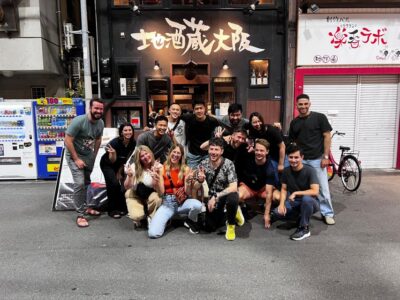 ★ 4.9Osaka: Izakaya Bars Guided Walking TourFrom $19385 reviews
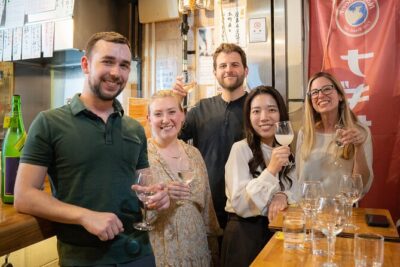 ★ 5.0Osaka Local Bar Crawl in Dotombori & Uranamba AreaFrom $26199 reviews
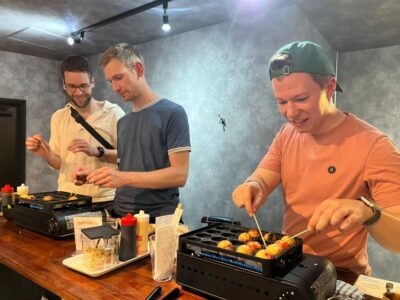 ★ 5.0Osaka Sake Tasting with Takoyaki CookingFrom $70156 reviews
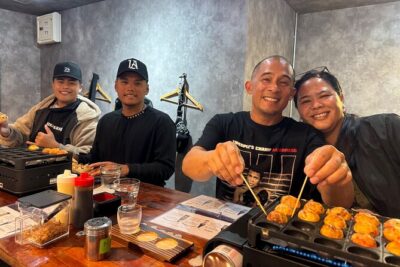 ★ 5.0Osaka Sake Tasting & Takoyaki Cooking ExperienceFrom $72149 reviews
 ★ 5.03Hour Osaka Pub Crawl Bar Hopping Nightlife Guided Tour in NambaFrom $46122 reviews
 ★ 4.7Osaka: Bar-Hopping Night Tour in NambaFrom $112117 reviews
Also worth a look in