
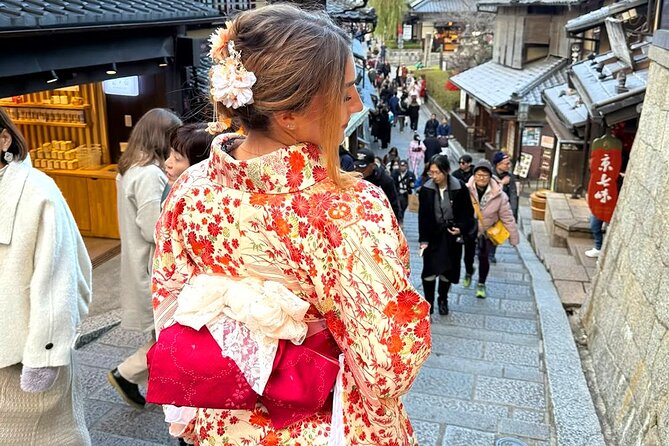
REVIEW · KYOTO EXCURSIONS FROM OSAKA
Kyoto and Nara Day Tour From Osaka with Deer Sightings
Deer, torii, and temple steps in one day. I like the Nara Park deer for face-to-face wildlife that feels genuinely Japanese, and I like the Fushimi Inari torii gates for an instant sense of Kyoto’s signature look. The main tradeoff is a full 10-hour day, plus you mostly explore temples on your own since the driver gives only basic English help.
This tour keeps things easy with an air-conditioned vehicle and a straightforward plan: pick up in Osaka at 8:30 am, hit Nara, then Kyoto, then return back to your starting point. One more thing I think you should know early, lunch is not included, and Kiyomizudera plus Todai-ji entries are optional paid tickets if you want to go inside.
If you want a single-day hit list that includes the famous deer encounter and two major Kyoto highlights, this is a solid way to do it. It also tops out at 45 people, so it stays social without feeling like a cattle truck.
Key things to know before you go

- Nara Park deer time is the headline, with about 1,300 wild shika roaming freely.
- Fushimi Inari is time-limited, so focus on the torii gates path you can realistically cover in 1 hour 20 minutes.
- Kiyomizudera is your long stop, with 3 hours to explore at your own pace.
- Temple entry is optional, with on-site tickets available for Kiyomizudera (¥400) and Todai-ji (¥600).
- Shinsaibashi-suji in Osaka is included, so you can end with food, snacks, and browsing.
- Driver English is basic, so plan for a self-guided temple experience if you want more detail.
Why This Kyoto and Nara Day Tour From Osaka Feels Efficient

You get a lot of “different Japan” in one shot. Start with the animal spectacle at Nara Park, switch gears to shrine gates at Fushimi Inari Taisha in Kyoto, then finish with the big temple visit at Kiyomizudera. For many people, that saves energy compared with doing three separate day trips or trying to connect trains while you are tired.
The value is not just the sights. It is also the how. You board an air-conditioned vehicle, you do not have to map routes and transfers for each leg, and you end back where you started at Kintetsu-Nippombashi Station. You also get a mobile ticket, which cuts down on the usual Japan-day stress of finding the right paper voucher.
One practical caution: you only have so many hours. This is not a slow cultural day with deep explanations built in. If you love reading, wandering, and taking your time at every viewpoint, you may want a bit more flexibility than this schedule allows.
Other Kyoto days, compared
Nara Park Deer Time: What Your Morning Is Really For
Nara Park is the kind of place that turns the volume up fast. You are visiting a huge park area in Nara City where roughly 1,300 wild shika deer roam freely among trees and lawns. They are treated like messengers of the gods in local tradition, so the park does not feel like a casual zoo moment.
You get 1 hour 30 minutes there, and you should use it with a plan. Go early in your time window if you want the calmer moments for photos and a calmer vibe around you. Keep an eye on how close you get to deer, because this is a wildlife situation, not a petting zoo.
What I especially like about the deer here is the playful interaction people describe. In feedback, visitors talk about the deer looking “polite” and even nodding or bowing when crackers are offered. That matters because it is not just seeing deer in the background, it is the sense that they notice you and respond in their own way.
Also remember: lunch is not included on this tour. In practice, that means you will likely snack on the go in Nara or time a meal later during the day. If you know you get hungry fast, bring a little patience and plan for quick food stops.
Fushimi Inari Taisha: How to Work With Only 1 Hour 20 Minutes
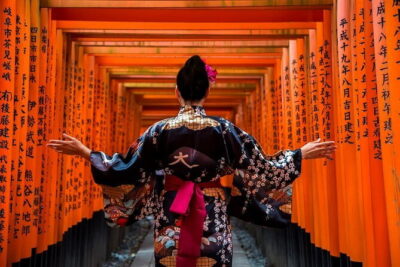
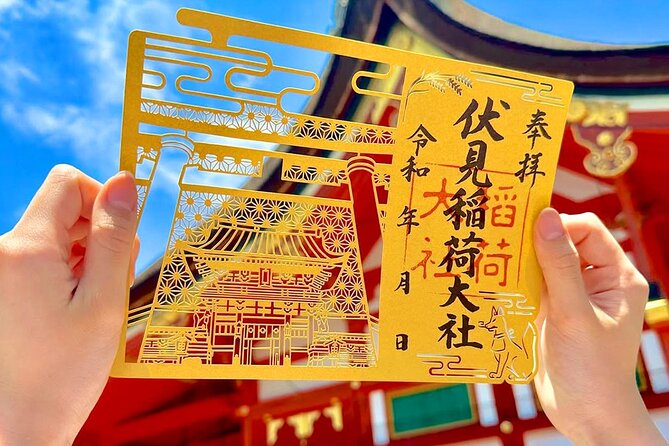
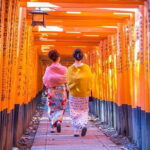
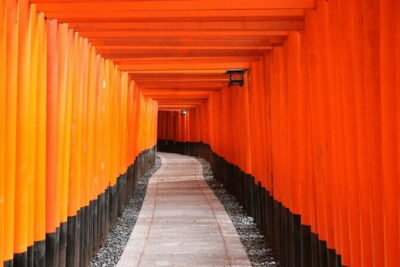
Fushimi Inari Taisha is famous for its long lines of red torii gates, and your visit is built around that. You get 1 hour 20 minutes, and entry to the shrine area is free. That free access is great because it lets you spend your money on optional inside tickets later, instead of feeling like every attraction demands another payment.
Here is the key: the gates run deep. With limited time, you should aim for a route that matches your energy level. Walk enough to get the real “torii tunnel” feeling and a handful of strong photo angles, then turn back before your schedule gets squeezed.
The shrine itself is a Shinto place and serves as the head shrine for about 30,000 Inari shrines. That gives the visit an extra layer, even if your day is moving quickly, because it helps you understand why this one place is so big and so important in the Inari tradition.
Your driver may provide some basic English guidance, but for the shrine meaning and deeper context, you will likely rely on signs and self-reading. I actually think this works well for Fushimi Inari. You are there for the atmosphere and the walk, not a classroom-style lesson.
Kiyomizudera Temple Visit: Why the 3 Hours Matter

Kiyomizudera is the big Kyoto anchor on this tour. You get 3 hours, and the outside viewing is free, with an optional entry fee of ¥400 if you want to go inside. It also gets labeled as UNESCO-listed, and it is the head temple of the Hossō sect of Buddhism. Even if you do not read every sign, those points explain why this temple is a major stop.
Three hours gives you enough room to do two things at once: enjoy the site and manage your own pace. Some people like to take photos first and walk later. Others want to wander slowly through the main areas and stop to breathe in the quieter corners.
One practical detail to take seriously: the tour is not pretending to be a guided lecture. The driver service is mainly about transportation and basic orientation, and they are unable to provide in-depth cultural explanations. So if you want meaningful details, you will get the best experience by using your phone for offline maps or a simple temple guide before you start walking.
You might also hear about other Kyoto icons during this day. For example, some schedules include additional photo opportunities depending on timing, and Kinkaku-ji, the Golden Pavilion, comes up as a possible sighting if your Kyoto routing aligns. Do not assume it will happen, but it is worth keeping on your mental radar.
Todai-ji Option From the Nara Side: When ¥600 Is Worth It
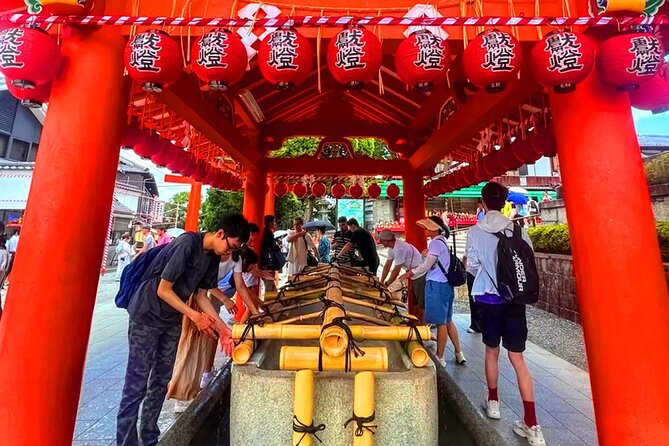
Todai-ji is not listed as a formal numbered stop, but the tour info clearly points to it as an optional paid entry from the Nara side. If you only want to see it from the outside, there is no admission fee. If you want to enter, budget ¥600 per person for the ticket.
So how do you decide? If you love iconic temple interiors and you feel the outside-only look would leave you wanting, the entry fee can be worth it. If your day is already packed and your feet are tired, outside views can still satisfy the “Todai-ji presence” without turning the tour into an endurance event.
Because the tour is only 10 hours total, this is where your priorities matter most. Choose one paid temple experience and let everything else stay simpler. That approach keeps your day enjoyable instead of turning into a checklist.
More runs out to the deer park
Shinsaibashi-suji in Osaka: The Best Place to End the Day
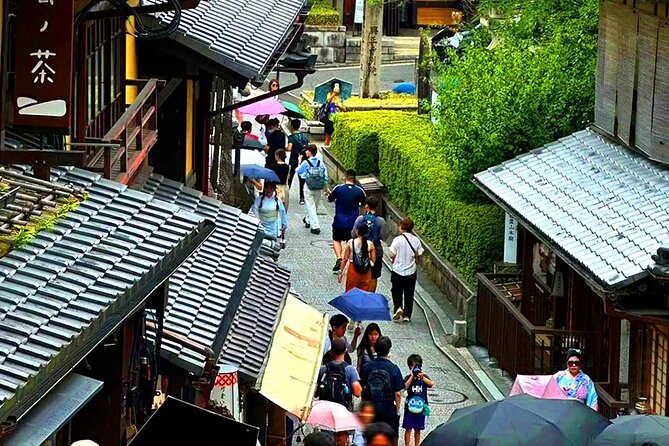
After Kyoto, you get a return into Osaka life via Shinsaibashi-suji Shopping Street. This part matters more than it sounds. When you finish a full day of temples and roaming deer, you want an easy transition back to food, people-watching, and casual shopping without another big decision.
Since lunch is not included, this is also a smart moment to grab a proper meal or a satisfying snack. Think of it as your decompression zone. You can stop for sweets, try something local, or just buy small gifts without hunting for the right place.
This is also a good time to reset your day logistics. If you used up cash on temple tickets, you can now check what you have left. If you need to re-plan something small like buying water, this is usually one of the easiest places to do it.
The tour ends back at the meeting point, so you do not have to worry about getting stranded far from your pickup spot.
Price and Value: Is $69 a Good Deal for This Schedule?
$69 per person is a fair price for a day that strings together multiple major stops with transportation handled for you. The “value” comes from time saved and reduced stress, especially if you are not trying to hop between Osaka, Nara, and Kyoto on your own transit.
What you should factor in are the optional costs. Kiyomizudera inside entry is ¥400. Todai-ji inside entry is ¥600. Outside viewing for both is free, so you can control your total spending by deciding how many interiors you want to see.
Lunch is not included. That does not automatically make it bad value, but it does mean you should budget for food separately. I always recommend planning your “paid extras” list before you go, because it makes the day feel simpler, not more expensive.
Also included in the price are an air-conditioned vehicle and the driver service fee. The vehicle matters when you are spending most of your day on the move, and the driver service fee matters because it signals that your transportation is planned, not improvised.
Logistics That Actually Affect Your Experience

Start time is 8:30 am at Kintetsu-Nippombashi Station, and the tour runs about 10 hours total. You end back at the same meeting point. That predictable loop is a big deal for first-timers, because it reduces uncertainty.
The tour caps at a maximum of 45 travelers. That is large enough for a lively tour day, but small enough that you can still find your spot and move at your own pace without constantly feeling crowded.
Your mobile ticket makes check-in simpler. You will still want your phone charged, since Japan days can drain batteries fast with maps and photos.
English support is basic. In practice, that means you should not expect detailed storytelling at each stop. You will get the most out of this tour if you come with at least a rough idea of what you want to see at each site, and then let the day happen with a little flexibility.
One more rule to know: elders over 70 years old should be accompanied by a family member.
Who This Tour Fits Best, and Who Might Skip It
This tour is a great fit if you want a one-day Kyoto and Nara hit with easy transport from Osaka. If you care about Nara deer sightings, want torii gates at Fushimi Inari, and plan to spend real time at Kiyomizudera, this itinerary hits those goals directly.
It is also a good choice if you are traveling with kids or anyone who likes a clear plan but still wants freedom during each stop. The schedule leaves gaps for personal wandering rather than forcing every minute into a tight group script.
I would consider skipping or changing approach if you want a very deep cultural explanation at every stop. Because the driver guidance is basic and not designed for in-depth teaching, you might prefer a fully guided option or a slower self-guided route on your own.
Finally, if you tend to get wiped out by long days, this one is 10 hours and will test your stamina. It can still be worth it, but I would go in knowing you are trading comfort for efficiency.
Should You Book This Kyoto and Nara Day Tour From Osaka?
Book it if you want the combination of Nara Park deer plus Fushimi Inari torii gates plus a real Kiyomizudera visit without the stress of routing and transfers. The price is reasonable when you consider transportation plus multiple major stops, and optional temple entry lets you control your budget with ¥400 and ¥600 choices.
Skip it if you hate tight timing, want heavy explanations, or you know you will need long meal breaks and long temple wandering. This tour is built for momentum, not for slow, lingering days.
If you book, go in with a simple plan: decide in advance which paid temple entry, if any, you will take, pack for hungry gaps since lunch is not included, and keep your expectations aligned with basic English support. Then you are free to enjoy the fun part, the deer interactions, the red torii walk, and the satisfaction of seeing Kyoto highlights in a single day trip from Osaka.
FAQ
What is the duration of the tour?
The tour runs for about 10 hours.
Where do I meet the tour?
You start at Kintetsu-Nippombashi Station (1-chōme-18-14 Nipponbashi, Chuo Ward, Osaka) at 8:30 am, and the tour ends back at the same meeting point.
Is admission included for Kiyomizudera Temple and Todai-ji?
Outside viewing for Kiyomizudera Temple and Todai-ji is free. If you want to enter the sites, tickets must be purchased on site, ¥400 for Kiyomizudera and ¥600 for Todai-ji.
Is lunch included?
No. Lunch is not included.
What is included in the tour price?
The tour includes an air-conditioned vehicle and the driver service fee.
Does this tour use mobile tickets?
Yes, it includes a mobile ticket.
How much does the tour cost?
The price is $69.00 per person.
Are there limits on group size or age?
The tour has a maximum of 45 travelers. Elders over 70 years old should be accompanied by a family member.
What is the cancellation policy?
You can cancel for a full refund if you cancel at least 24 hours before the experience’s start time. If canceled due to poor weather, you will be offered a different date or a full refund. The tour also requires a minimum number of travelers to operate.
More Tour Reviews in Osaka




More Mornings with the Deer

The Kyoto Shortlist: Other Days East


Latest out of Osaka


Kyoto Excursions from Osaka, side by side.
 ★ 4.7Osaka/Kyoto: Hiroshima Miyajima Bus Tour & Shinkansen TicketFrom $277919 reviews
 ★ 4.5From Kyoto/Osaka: Kyoto Top Highlights 1-Day Guided Bus TourFrom $51714 reviews
 ★ 4.5Ancient Capital Tour: Kyoto and Nara Highlights from Kyoto/OsakaFrom $90332 reviews
 ★ 4.6Osaka/Kyoto: Amanohashidate & Miyama Tour with Boat & LunchFrom $71207 reviews
 ★ 4.0Kyoto and Nara Day Trip from OsakaFrom $198175 reviews
 ★ 3.5From Osaka or Kyoto: Kyoto and Nara 1-Day Bus TourFrom $64141 reviews
 ★ 4.8Volleyball in Osaka, Kobe & Kyoto with locals!From $6131 reviews
 ★ 5.0Full Day Tour of Kyoto with Private TransportationFrom $247130 reviews
Also worth a look in