REVIEW · OSAKA
Japanese Traditional Sweets “Nerikiri” making
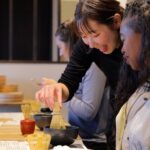
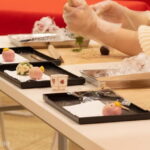
Nerikiri is edible art, no kidding. I love that you shape two seasonal Nerikiri sweets here, and I love that you do it with real white/red bean paste from Kyoto’s long-established shops. You also get to enjoy what you make on the spot, so the experience stays fun from start to finish.
The biggest practical thing to consider is the building has no elevator, so you’ll be taking stairs on the way in and between parts of the activity.
Key things to know before you go
- Kyoto bean paste, not shortcuts: You use white and red bean paste made by long-established Kyoto shops.
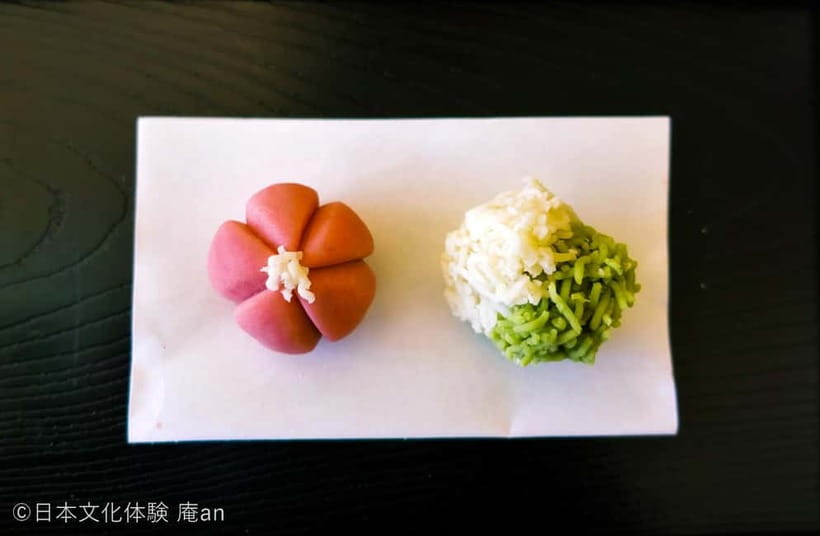
- You make two seasonal Nerikiri sweets: One is a flower shaped design, plus a second named style called Kinton Nerikiri.
- A plate counts as the final step: When you set your handmade sweets on a dish, you’re basically done with the art.
- You can eat right there: There’s no waiting for later, you get tasting time as part of the class.
- English support is built in: The instructor is Japanese, and English translation is provided as much as possible.
- Short and focused: The full session runs about 65 minutes.
Why Nerikiri is such a smart Osaka experience
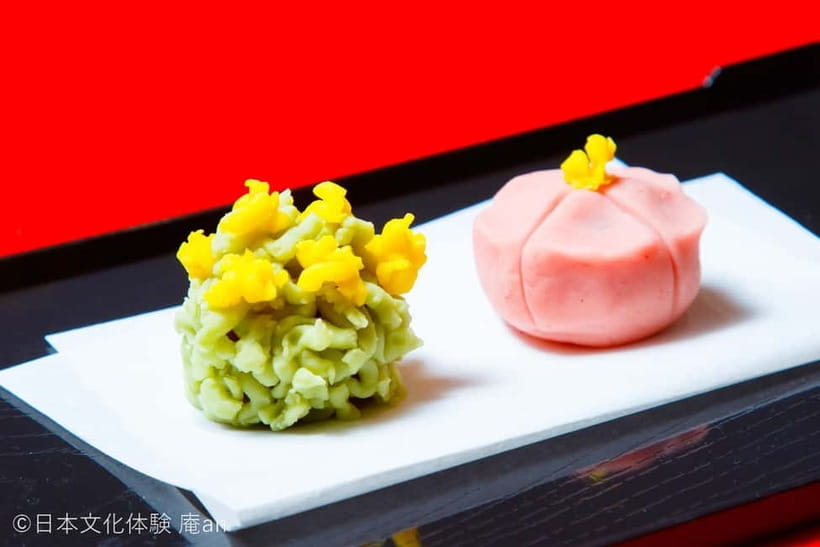
Japanese sweets are often beautiful, but Nerikiri has the added trick of being both decorative and edible. This workshop turns that idea into a hands-on lesson, not just a photo moment. You’re not watching from the sidelines, you’re shaping and finishing sweets yourself.
I like how clear the goal is. In about an hour, you learn the basics, make two designs that match the season, and then you eat. That makes it feel like value, not like a long explanation that ends before you get to the fun part.
Also, the class is set up for solo visitors or groups. If you’re traveling alone and want an activity that still feels social, this kind of workshop usually hits the sweet spot.
Set this against a few other Osaka bookings:
What you actually make: flower shaped Nerikiri and Kinton Nerikiri
You’ll make two seasonal Nerikiri sweets. The first is a flower shaped Nerikiri, which gives you a good introduction to shaping and finishing. The second is Kinton Nerikiri, which changes the visual style so you don’t just repeat the same technique twice.
The practical win here is variety within a short time. You get one classic style, then you switch gears for another named design. That helps you remember the steps better, because your hands and your eyes are moving to different goals.
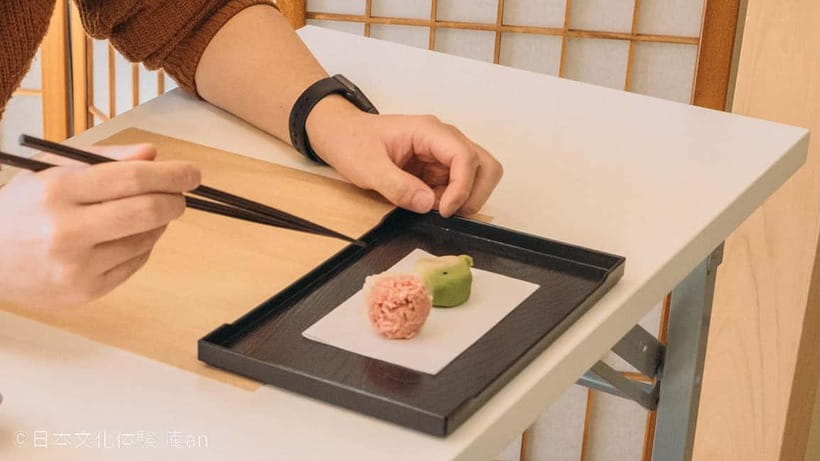
When you’re done forming the sweets, you place them on a plate. The activity frames that final plate moment as the point where you’ve completed a piece of work. It’s a small detail, but it makes the session feel like more than just cooking, it feels like crafting.
The ingredient quality: Kyoto white and red bean paste
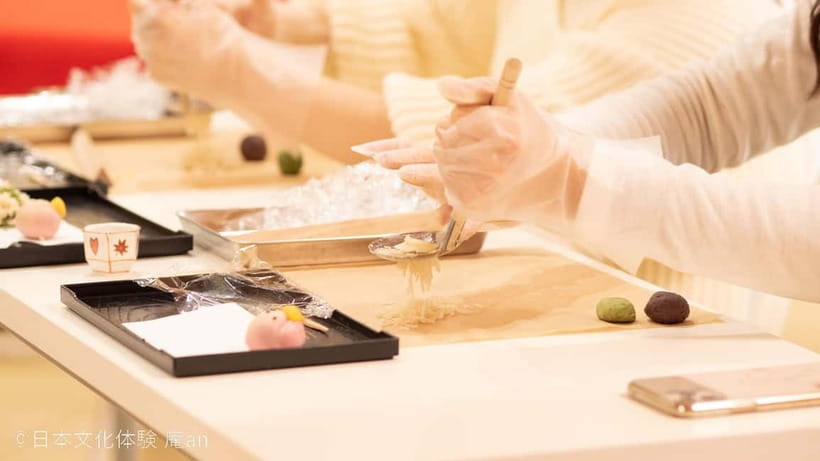
The workshop uses white/red bean paste produced by Kyoto’s long-established shops. That matters because Nerikiri is all about texture and handling, and bean paste is the main ingredient you work with.
You’re not just learning a technique with unknown materials. You’re using real, ready-to-work paste, sourced from established suppliers. That gives you a better chance of getting a satisfying result, even if you’ve never done this before.
And because you can eat what you make, ingredient quality becomes part of the payoff. You’re not tasting a separate dish while your sweets sit uneaten, you’re tasting your own finished work.
A 65-minute flow you can actually plan around
The session is structured so the time moves in clear steps. You’ll start with an explanation of Japanese traditional sweets, then you move into shaping.
Here’s the typical flow:
- The start of the experience focuses on what Nerikiri is and how traditional sweets are thought about.
- Then you make the flower shaped Nerikiri.
- Next comes Kinton Nerikiri.
- You wrap up around the end of the class and move into eating time.
- Finally, you depart the room.
The class timing matters because it’s long enough to learn and produce two sweets, but short enough to fit easily into a day of Osaka sightseeing. If you’re planning around trains and meal times, a tight 65 minutes is easier to place than a half-day cooking program.
One more note from how the class is described: the instructor is Japanese, and English translation is provided as much as possible. That helps if your Japanese is limited, and it also keeps you from guessing where you should be in the process.
Price, value, and the small extras to budget for
The price is about $11 per person for the Nerikiri making set. For a hands-on class where you make two sweets and can eat them on the spot, that’s the core value.
There are a couple of optional add-ons:
- A sweets take-out box costs 100 JPY
- A completion certificate costs 300 JPY
If you’re the type who likes to bring one edible souvenir home, the take-out box is a simple upgrade. If you’re there mainly for the experience and taste, you can skip extras and just enjoy what you make right away.
Also, the overall rating shown for the experience is 4.2 based on 5 reviews, and the repeated themes are that it’s fun for the hour and the instruction supports you through the steps. That lines up with the format: short class, clear tasks, and time to taste at the end.

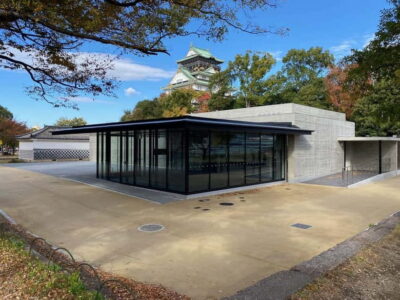
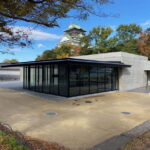
Getting there near Higobashi, Watanabebashi, and Yodoyabashi
Location is practical, with multiple nearby train options. You’ll find the workshop within easy walking distance of several stations, so you can match it to your day plan.
For example:
- 1 minute walk from Exit 10 of Osaka Metro Yotsubashi Line Higobashi Station
- 5 minutes walk from Exit 7 of Keihan Nakanoshima Line Watanabebashi Station
- 7 minutes walk from Exit 10 of Osaka Metro/Keihan Line Yodoyabashi Station
- 10 minutes walk from Exit 11-5 of JR Tozai Line Kitashinchi Station
- About 15 minutes walk from South Central Gate of Osaka Station
You can also park nearby by coin parking if you’re driving. I like having several options because Osaka train lines overlap in a way that can save you time depending on where you start that day.
Two practical tips: build in a little buffer for walking, and remember the building has no elevator, so plan on stairs.
The kind of traveler this fits best
This is a great fit if you want something hands-on and cultural, without needing advanced Japanese. You’re working with a common base ingredient, bean paste, and following a guided process to create named Nerikiri styles.
You’ll likely enjoy it if:
- You’re curious about Japanese seasonal sweets and like the idea of matching what the season calls for.
- You enjoy craft activities where the result is visual, edible, and shareable.
- You want an activity that is short enough to pair with other Osaka plans.
You might want to skip it if you’re looking for a long lecture, a museum-style lesson, or a purely sightseeing experience. This is about making two sweets, learning the process, and tasting what you create.
Also, note that if you’re not participating, you won’t be allowed into the experience space. So it’s best for people who actually plan to sit down and make sweets.
What to expect in the instructor experience
The instructor is Japanese, and English translation is provided as much as possible. In practice, that usually means you can follow along with the main instructions even if you’re not fluent.
One of the best parts of this type of workshop is how much the instructor can adjust. If your first shape isn’t quite right, you’ll get guidance during the process, not at the end. That’s also why a short workshop like this works well, the coaching has room to happen in real time.
The atmosphere tends to be relaxed. The activity is described as enjoyable and good value, with an instructor who takes time to explain and keeps the mood friendly. If you want a class where you can ask small questions without feeling rushed, this format is a strong choice.
Should you book this Nerikiri workshop?
Book it if you want a compact, high-reward cultural activity in Osaka. For a little over an hour, you’ll make two seasonal Nerikiri sweets, use real Kyoto bean paste, and get to eat your creations immediately. That combo is hard to beat for the price.
I’d also book it if you like the idea of learning something you can actually show someone later, because the finished sweets on your plate are made by your hands. Even if your first attempt looks imperfect, you’ll still end up with something delicious.
Skip it only if stairs are a problem for you, or if you’re looking for a longer, deeper food tour. Otherwise, this is exactly the kind of hands-on experience that gives you a genuine Osaka memory, not just a souvenir you don’t know how to use.
FAQ
How long is the Nerikiri making experience?
The experience lasts about 65 minutes.
How many sweets will I make?
You will make two seasonal Japanese traditional sweets called Nerikiri.
What kinds of Nerikiri do I make?
One is flower shaped Nerikiri, and the other is Kinton Nerikiri.
What ingredients are used?
You use white and red bean paste produced by Kyoto’s long-established shops.
Can I eat the sweets during the experience?
Yes. You can eat the sweets on the spot during the eating time.
Is there English support?
English translation is provided as much as possible. The activity language is Japanese.
When does the activity run?
Operation hours are from 10:00 to 17:00.
What if my reservation is made after 17:00?
Reservations received after 17:00 are processed the next day.
Is there an elevator at the venue?
There is no elevator, and you will need to take stairs to reach each venue.
What extra fees are available?
A sweets take-out box costs 100 JPY, and an experience completion certificate costs 300 JPY.