
REVIEW · KYOTO EXCURSIONS FROM OSAKA
Hiroshima Private Guided Tour from Osaka or Kyoto
Hiroshima hits harder when you go with a guide. This private day connects the Atomic Bomb Dome and Peace Memorial sites with the calm of Miyajima Island and its sea-gate torii.
I like that the pacing is built for meaning, not speed. With a history-focused guide like Mouloud, you get time at the places that need thought, plus a natural break on Miyajima with deer and scenery.
One thing to plan for: the day is long and includes a fair amount of walking, with the option to view the torii up close at low tide or from shore at high tide.
Key highlights
- Private group only: just your party, with a guide shaping the day for you
- Genbaku Dome plus Peace Memorial Park: start at the core landmark, then walk the grounds that connect it all
- Peace Memorial Museum time: a guided visit that’s moving and often worth lingering on
- Ferry to Miyajima and Seto Inland Sea views: the water ride adds a real change of pace
- Torii viewing depends on tide: your route changes with conditions, so you stay flexible
A full-day Hiroshima and Miyajima plan that keeps you moving (with context)
This is a 9-hour private guided outing that runs from Osaka or Kyoto into Hiroshima, then continues to Miyajima for a full day of contrasts. You’ll use Shinkansen and public transport, then switch to walking so you can actually take in the details, not just look at them from a train window.
You should like two things to get the most from this: history that asks you to slow down, and a nature break that feels quieter afterward. The tour is also clearly set up for practical comfort, with a mobile ticket and a guide handling the flow so you are not constantly figuring out what’s next.
The pacing works best if you are okay with a moderate walking day. The route includes museum time, shrine time, and multiple stops that involve looking, pausing, and moving on.
Other Kyoto days, compared
Genbaku Dome: the first stop that sets the tone
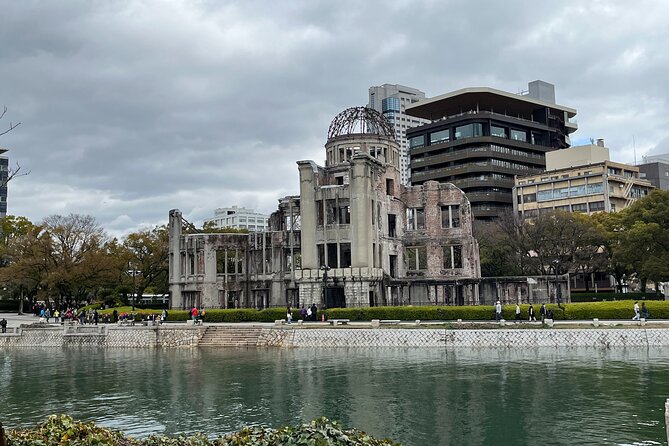
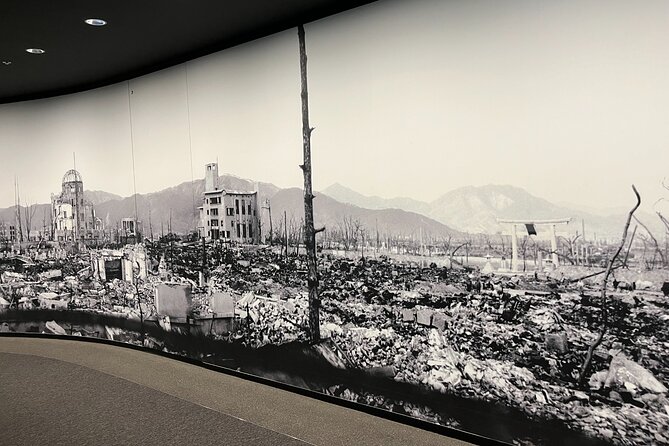
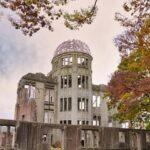
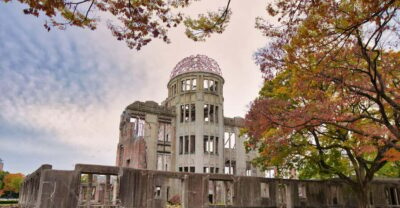
Your Hiroshima morning centers on the Atomic Bomb Dome, the partially standing structure linked to the August 6, 1945 bombing. The tour doesn’t try to turn that into a quick photo op. You pass by it and get space to reflect, which matters because this site is emotional and the scale hits in a way that words cannot fix.
Even if you’ve seen pictures before, the feeling on the ground is different. The dome is close enough to register as a building, not a symbol, and you start to understand why this landmark became part of Hiroshima’s memory culture.
A practical perk: the stop is simple and easy to access, with admission listed as free. That means you can spend mental energy on the place itself rather than paperwork or lines.
Peace Memorial Park and the walk between landmarks
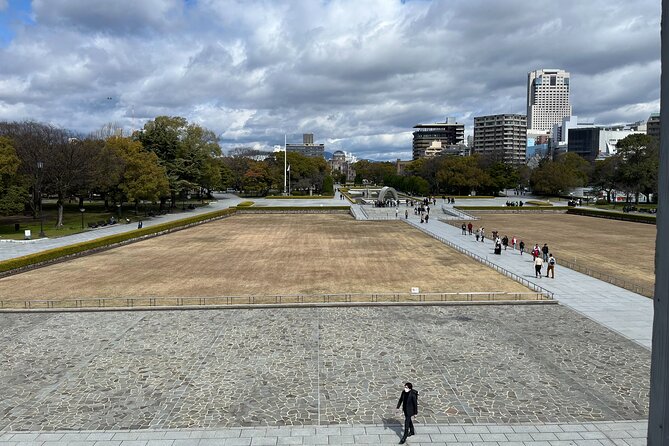
After the dome, you head into Peace Memorial Park, walking between the Genbaku Dome and the Hiroshima Peace Memorial Museum. The park stretch is listed at about an hour, and it functions like a transition zone where the day shifts from shock to reflection.
What I like about this structure is that you don’t jump straight into a museum and skip the setting. You get to see how the memorial grounds connect, and you can mentally prepare for what comes next.
The park segment also lists free admission, so you can treat it as a slow reset. If you’re someone who gets overwhelmed in museums, this park walk can act as a buffer.
Hiroshima Peace Memorial Museum: moving, and you might want more time
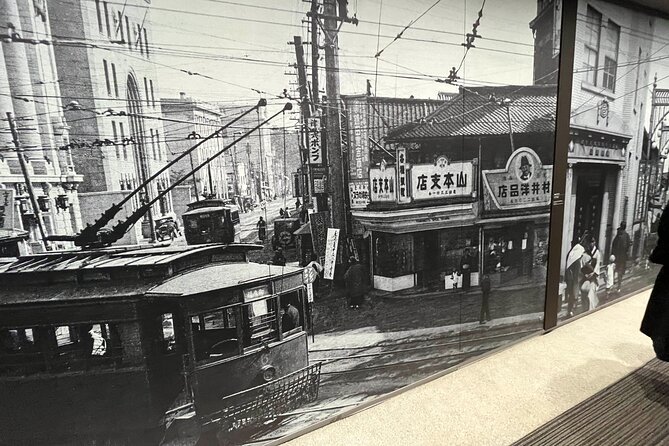
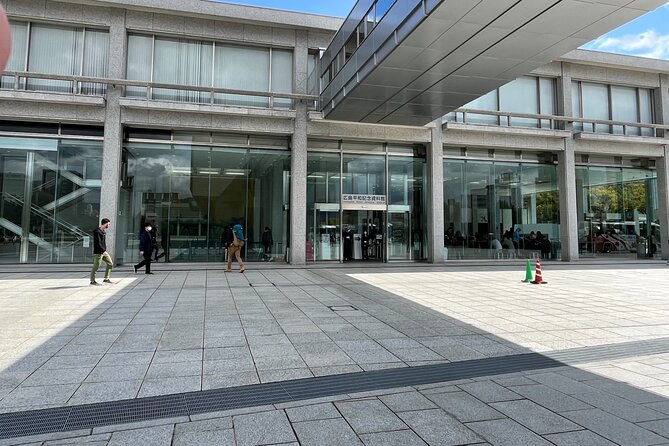
The main indoor stop is the Hiroshima Peace Memorial Museum, with a scheduled visit of about two hours. Entry is not included, and you should budget ¥300 per person.
This is the part many people find the hardest and the most important. The museum is a serious collection tied to the atomic bombing, and it can be emotional in a direct way. In the feedback for this tour, people consistently called it moving and worth making time for.
One useful note for your planning: two hours is enough to see the core exhibits, but if you’re the type who reads captions closely, you may feel you want extra minutes. If you know you’ll want to linger, having a guide helps because they can steer you to what matches your interests while still keeping the schedule workable.
The Hiroshima-to-Miyajima shift: ferry time on the Seto Inland Sea
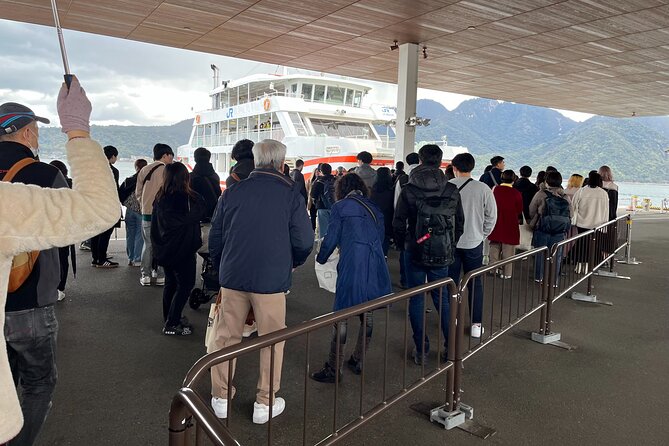
Once you’re done with the memorial area, you move toward Itsukushima (Miyajima) by ferry. The tour includes a ride on a Miyajima Matsudai Kisen Tourist Ship, about an hour, and the point is clear: enjoy the water, admire the Seto Inland Sea, and let the day breathe.
This leg matters because it gives you contrast. Hiroshima’s memorial side asks for stillness; the sea ride is the opposite rhythm, with open air and broad views. Even if you’re not a “boat person,” this segment helps you reset so you can enjoy Miyajima without burnout.
The itinerary lists admission as not included for the ferry stop, so plan on handling any fare directly based on how the day is run. The upside is that the ferry is part of the route, so the guide keeps everything coordinated.
Further west on the bullet train


Omotesando lunch street and a shrine visit that teaches context
Back on Miyajima, you get time at Miyajima Omotesando Shopping Street for about an hour, and it’s set up nicely for lunch. This is also where you can grab something quick without the pressure of hunting for a café that matches your schedule.
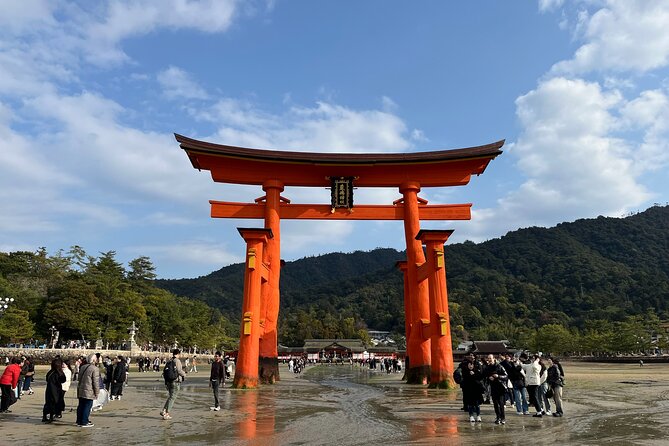
From there, you visit Itsukushima Shrine. This is one of Japan’s most famous shrine sites, known for the torii gate positioned on the sea. The itinerary includes about an hour at the shrine, and the entry fee is not included, listed as ¥300 per person.
What I like here is that the guide’s role is not only logistics. The plan includes learning about the shrine’s history and religion, which helps you understand what you’re seeing. If you’ve ever stared at a famous landmark and wondered what it means, this is the part that makes it click.
Torii viewing: low tide lets you walk closer
One of the most practical details on this tour is the torii timing. The itinerary includes a stop for Itsukushima Shrine Torii, with the viewing changing based on tide.
If it’s low tide, you can walk to the torii and admire it up close. If it’s high tide, you view it from the shore. Either way, the experience is designed so you still get the “sea gate” moment, just through the version that conditions allow.
This is a big deal for value, because it prevents disappointment. A lot of people go to Miyajima expecting one exact scene, then get hit with tide reality. Here, the plan is built around the fact that nature sets the rules.
Omoto Park and shika deer: nature time with gentle interaction
The final nature-focused stop is Omoto Park, about an hour, and it’s your best chance for shika deer time. The plan explicitly calls out meeting and interacting with the deer, and it’s also listed as free admission.
This part gives you an easy wind-down after shrine and walking. The deer add a small dose of whimsy that balances the day’s heavy emotional start. Just keep expectations realistic: deer are animals, so you’ll get the best experience by staying calm, watching where you step, and keeping things respectful.
Price and logistics: what you’re paying for, and what you’ll still budget
The price is $373.96 per person for a private tour. That’s not a budget price, but it’s also not just “a driver with a map.” This is a day built around Shinkansen plus local transport, plus a guide shaping the experience across two major areas.
Here’s the value math in plain terms:
Included in the tour price:
- Guide fees, including their transport, entrance, and lunch fees (as listed)
Not included (you should plan to pay):
- Peace Memorial Museum: ¥300 per person
- Itsukushima Shrine: ¥300 per person
- Transports in Hiroshima Prefecture: ¥3,500 per person
- Public transportation: ¥24,000 per person
That last line is the one that can surprise people because it’s large on paper, but it’s listed that way in the tour details. The important takeaway for you is that this tour’s quoted price covers the guided component and certain on-the-day items, while several core costs for the day’s movement and admissions are separated out.
So, is it worth it? If you want your Hiroshima time guided for meaning, and you want Miyajima without self-planning stress, the private format makes sense. If you’re traveling solo with a flexible schedule and you enjoy navigation, you might find cheaper options. But this tour is built for a specific blend: reflection first, then nature and the torii, all with a guide to keep you on track.
One more practical note: this tour is described as booked about 103 days in advance on average. That’s usually a sign it sells out in popular seasons, so if your dates are firm, I’d book early.
Who this tour fits best
This is a great pick if you:
- want a guided Hiroshima day that gives you time at the memorial sites
- like a structured itinerary that still leaves room to pause
- want the Miyajima highlight, including the torii viewing based on tide
- appreciate a guide with strong historical context, like the Mouloud referenced in the tour feedback
It may not be ideal if you:
- prefer a lighter day with fewer stops and less walking
- don’t want to spend time in emotionally heavy museum and memorial spaces
- need lots of downtime between locations
If you’re bringing kids, you’ll have to judge the attention span. The itinerary is packed with meaningful stops, not just sightseeing.
Should you book this Hiroshima and Miyajima private guided day?
I’d book it if you want your time in Hiroshima to feel guided and intentional, then finish on Miyajima with the calm sea views and deer-filled nature break. The strongest reason to choose it is how the plan pairs the emotional sites with a change of pace, and how the guide role keeps the day coherent.
I’d think twice if you’re trying to keep costs ultra-low or you know you cannot handle museum content that asks you to reflect. Also, because the torii experience depends on tide, you should be okay with the idea that your exact viewing angle might differ from what you pictured.
FAQ
What time does the tour start, and how long is it?
The tour starts at 8:00 am and runs for about 9 hours.
Where do we meet for the tour?
You meet at Hiroshima Station, 1-2-37 Matsubarachō, Minami Ward, Hiroshima, 732-0822, Japan, and the tour ends at the same location.
Is admission included for the Peace Memorial Museum and Itsukushima Shrine?
No. The Peace Memorial Museum is ¥300 per person, and Itsukushima Shrine is ¥300 per person.
What costs should I expect for transportation in Hiroshima and beyond?
The tour details list transports in Hiroshima Prefecture (¥3,500 per person) and public transportation (¥24,000 per person) as not included.
How does the tour handle the Itsukushima torii gate at different tides?
If it is low tide, you can walk to the torii. If it is high tide, you view it from the shore.
Can I bring a service animal, and can I cancel for a full refund?
Service animals are allowed. You can cancel for a full refund if you cancel at least 24 hours before the experience’s start time.
More Tour Reviews in Osaka

Two Hours West by Bullet Train


The Kyoto Shortlist: Other Days East

Latest out of Osaka


Kyoto Excursions from Osaka, side by side.
 ★ 4.7Osaka/Kyoto: Hiroshima Miyajima Bus Tour & Shinkansen TicketFrom $277919 reviews
 ★ 4.5From Kyoto/Osaka: Kyoto Top Highlights 1-Day Guided Bus TourFrom $51714 reviews
 ★ 4.5Ancient Capital Tour: Kyoto and Nara Highlights from Kyoto/OsakaFrom $90332 reviews
 ★ 4.6Osaka/Kyoto: Amanohashidate & Miyama Tour with Boat & LunchFrom $71207 reviews
 ★ 4.0Kyoto and Nara Day Trip from OsakaFrom $198175 reviews
 ★ 3.5From Osaka or Kyoto: Kyoto and Nara 1-Day Bus TourFrom $64141 reviews
 ★ 4.8Volleyball in Osaka, Kobe & Kyoto with locals!From $6131 reviews
 ★ 5.0Full Day Tour of Kyoto with Private TransportationFrom $247130 reviews
Also worth a look in