
REVIEW · KYOTO EXCURSIONS FROM OSAKA
From Osaka: Kyoto, Nara, Fushimi Inari & Arashiyama Day Tour
A day trip with major Kyoto mood, minus the planning. I like the clean, structured flow from Osaka, and I really enjoy the combo of Nara’s deer and Fushimi Inari’s torii gates. The only real catch is that it is a long day with solid walking, so your best friend is comfortable shoes.
You also get a very “Kyoto” finish: Arashiyama bamboo grove followed by the Arashiyama Station footbath and the Kimono Forest light display. If you hit a busy holiday or weekend, your timing may shift a bit, so don’t schedule anything immediately after pickup back in Osaka.
Key points before you go
- Round-trip bus + guide keeps the day simple, especially if you want Nara and Kyoto in one shot
- Nara Park deer time is fun, quick, and photogenic, with deer crackers and lots of easy strolling
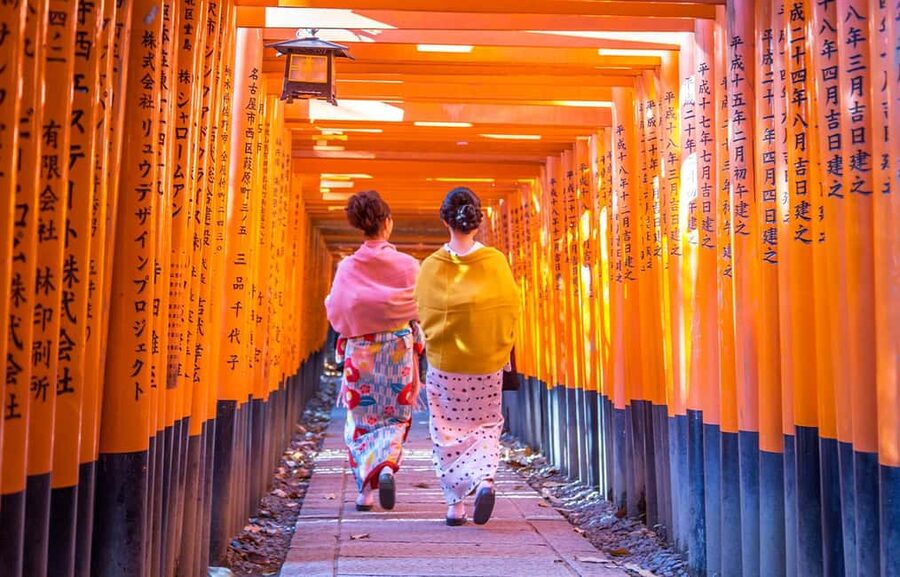
- Fushimi Inari in a fixed window helps you pace the torii climb without turning it into a half-day workout
- Arashiyama gives you free time to choose your exact temple and bamboo priorities
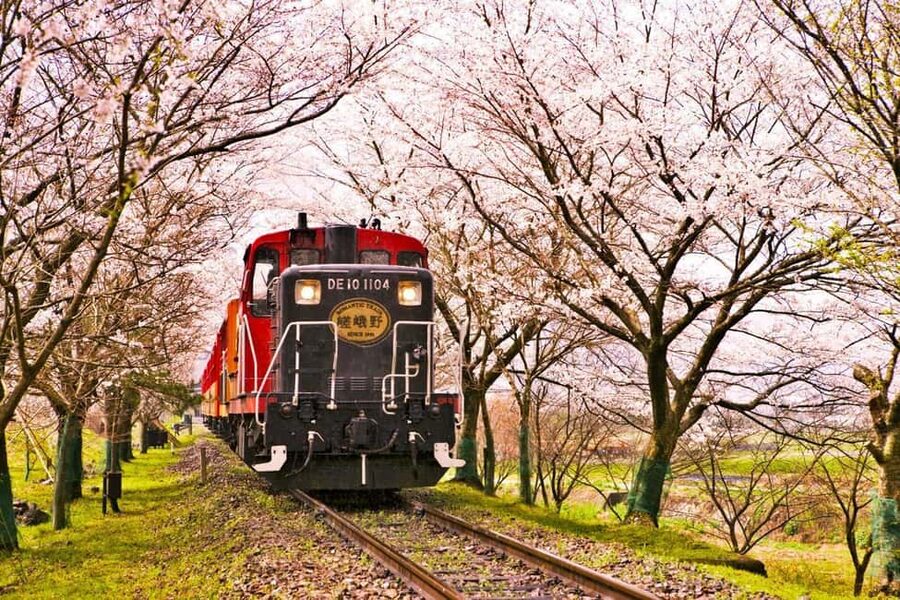
- Optional Sagano Romantic Train is there if you want river-gorge views without changing the whole route
- Footbath + Kimono Forest lights are a great way to recover tired feet and still feel the magic at the end
Why this Osaka-to-Kyoto day trip works (especially for first timers)
This is the kind of tour that fits real travel days: you start early from the Namba Shinsaibashi area, get transported in an air-conditioned coach, and have a multilingual guide to handle the “where do I go next” part. For a single day, that matters. Osaka to Kyoto region sightseeing can be easy, but trying to stack Nara, Fushimi Inari, and Arashiyama on your own can turn into too many train transfers and too much decision fatigue.
What I like about the value is that the price is not just for sightseeing, it also covers the logistics: round-trip bus, expressway tolls, vehicle fuel, parking fees, and a professional driver. You are paying for comfort and time savings, not only entry into places. Add a live guide in English (plus Japanese and Chinese), and you get enough structure to see the big icons without spending your day studying routes.
The tradeoff is group timing. This is a shared tour, and you will be walking as a group between major stops. Also, there is a simple policy that no food is allowed on the vehicle, which means you will rely on your own plans for meals outside of the guided blocks.
Other Kyoto days, compared
Nara Park deer time: how to enjoy it without stress
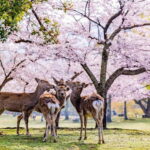
Nara Park is famous for a reason. Over a thousand free-roaming deer hang out around the temples and paths, and the experience is close-up and oddly wholesome. You get about an hour for a mix of photo stops and sightseeing, which is enough to take in the park, watch the deer, and get your iconic shots.
Here is the practical part: the deer are friendly, and they tend to respond to deer crackers. They also bow, which is why the whole scene feels interactive instead of random. If you want great photos, keep your distance until you know how close you can get, then focus on short bursts. It is easy to get surrounded for a few seconds, and then you have to back out to avoid stepping where locals are walking.
Season matters here. The park changes a lot across the year, from spring and summer greenery to autumn leaves and even snow-dusted scenery in winter. On a day tour, you do not control the weather, but you can control your pace. If it is crowded, keep moving along the paths instead of stopping in the middle to wait for the perfect shot.
One more consideration: the tour is not suitable for people with animal allergies. That is worth taking seriously, because the deer are the whole point of this stop.
Fushimi Inari Taisha: walking the torii gates with the right pace
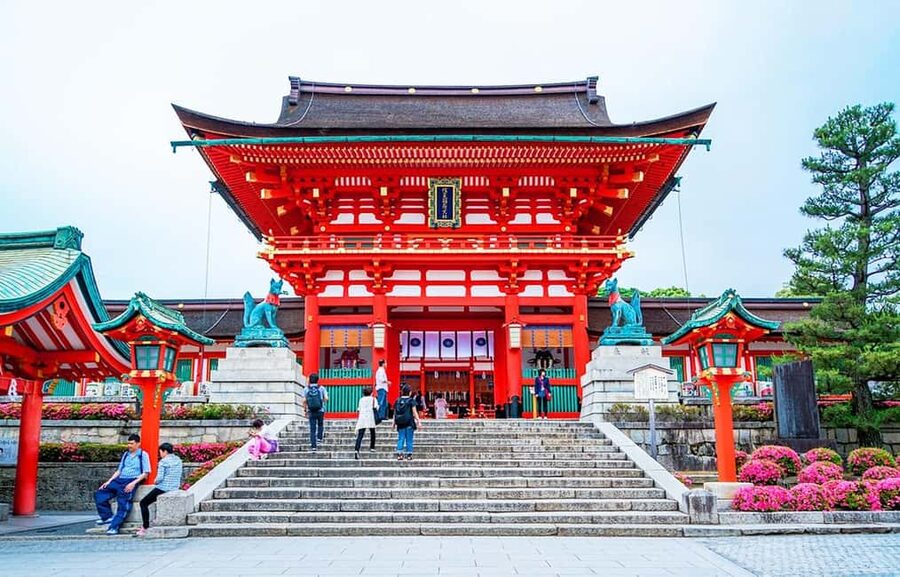
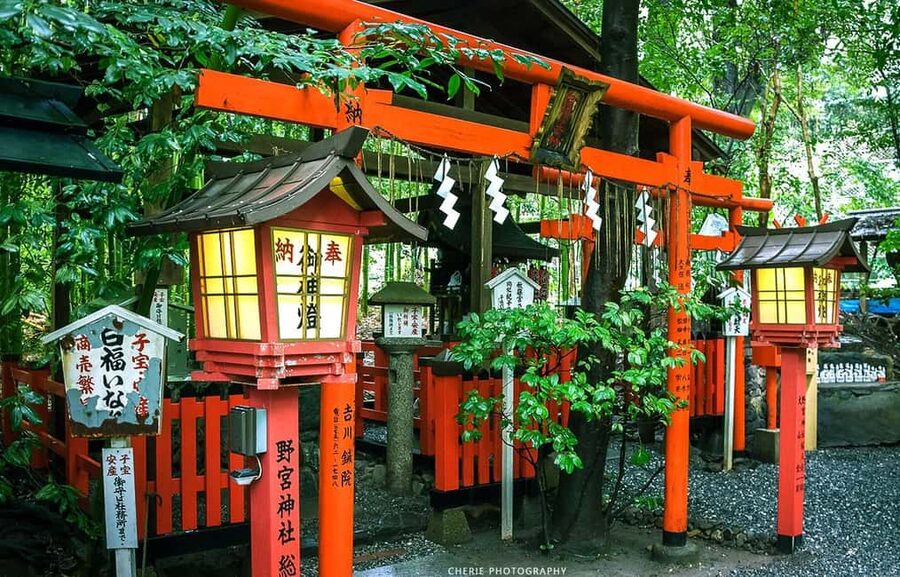
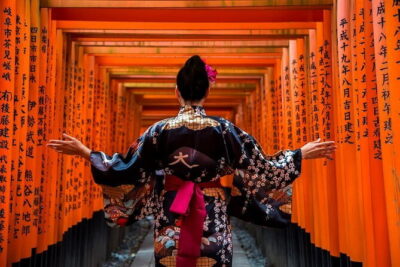
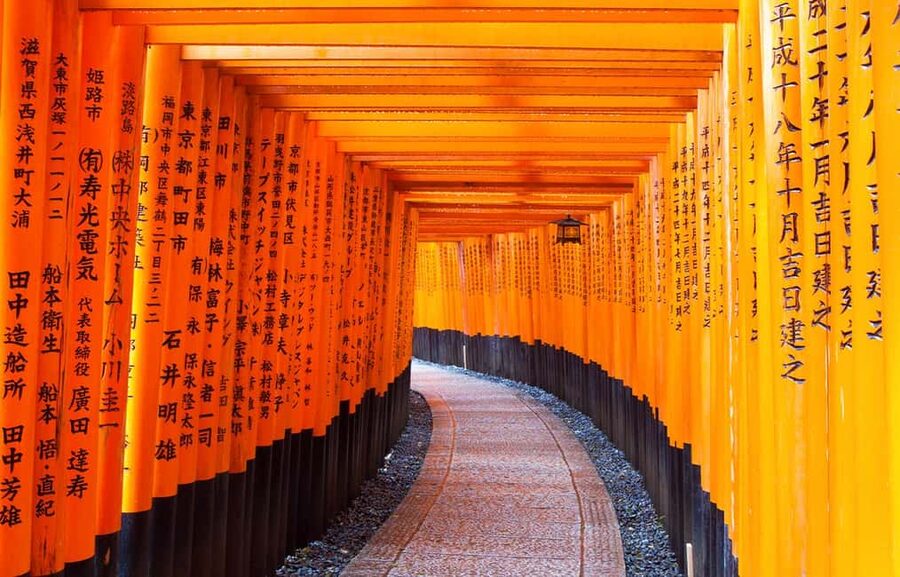
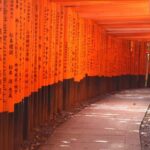
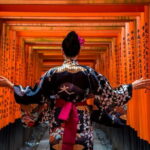
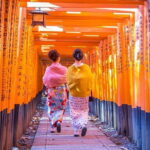
Fushimi Inari Taisha is one of Japan’s most recognizable sights, and this tour gives you a planned block of about 80 minutes there. That window is good because you can enjoy the torii corridors, reach key viewpoints, and still keep your energy for Arashiyama later.
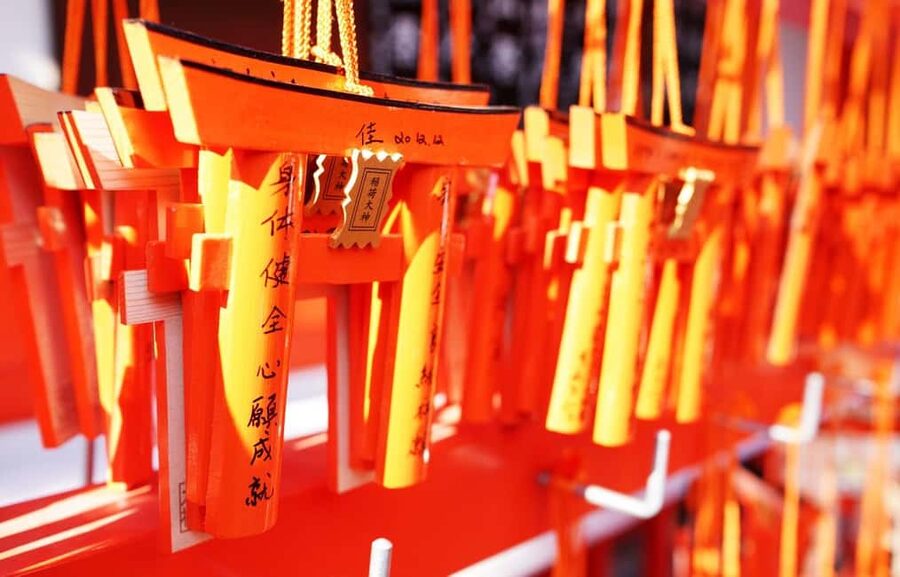
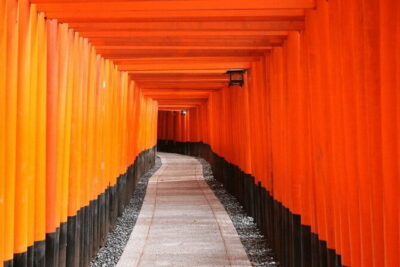
What you’ll feel as you walk is scale. The red gates climb Mount Inari, and the path keeps expanding. Even if you do not climb all the way up, the torii tunnels still hit hard. You’ll also have time for the shrine rituals at the main area, including the chance to make a wish and draw a fox-shaped ema (prayer plaque).
My best advice here is pacing. People tend to slow down when they first step into the gates, then they hurry later when they realize time is limited. Instead, set your plan early: enjoy the gate walkway first, stop for a few photos, then decide how far up you want to go. With a shared tour schedule, there is no reason to sprint.
Practical note: expect a lot of walking on uneven stone paths. Bring supportive shoes because your feet are about to do their second act later in the day at Arashiyama.
Arashiyama: temples, bamboo, and free time that actually helps
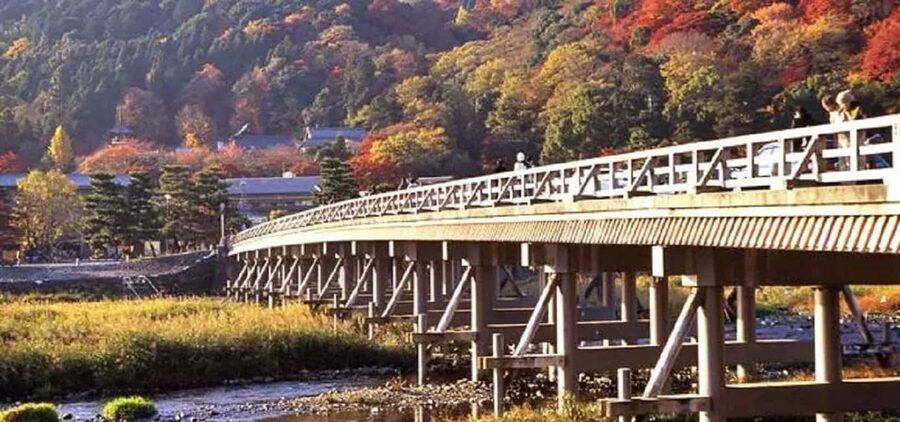
Arashiyama is Kyoto’s scenic, soulful pocket, and the afternoon format gives you room to breathe. You get about 2.5 hours here, plus additional focused stops around the bamboo grove area and Arashiyama Station.
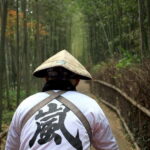
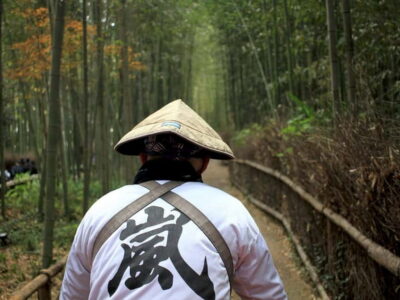
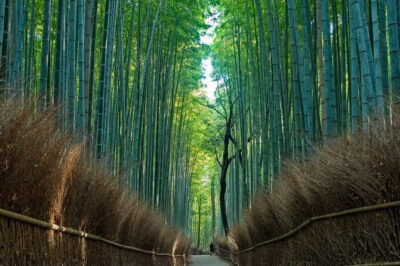
The highlight for many people is the bamboo grove walk. It is also described as one of Japan’s top sounds of nature spots, which makes a big difference. The atmosphere is not only visual, you tend to hear the wind in the bamboo and the movement of other visitors. If you go in the middle of the day, you may find crowds and noise, so I like using the time to slow down, take in a short section, then move along rather than waiting for a quiet moment that may never come.
You’ll also be able to explore ancient temples and the area around them, but the most important thing is that the schedule leaves free time. That is where you can choose your preference: more bamboo, more temple views, or more scenic walking.
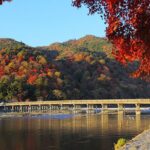
This is also one of those places where season can completely change the vibe. Think cherry blossoms in spring, lush summer greens, fiery autumn maple leaves, and winter lighting moments. Your guide cannot control the season, but having a fixed start time still helps you catch good light.
Optional Sagano Romantic Train: when the river gorge view is worth it
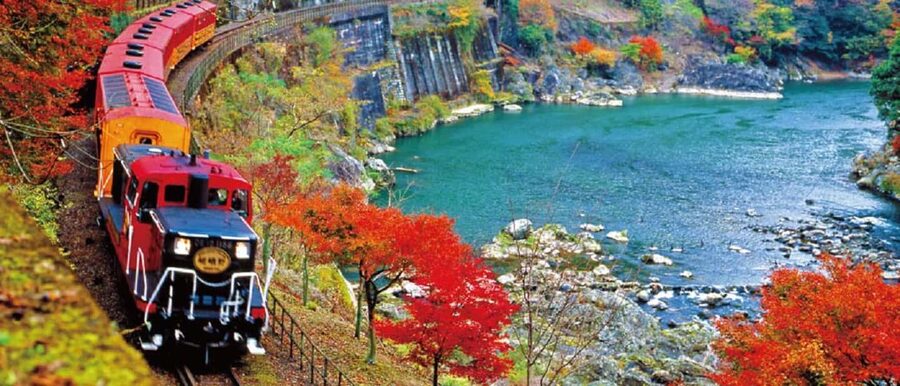
The tour route includes a stop at Torokko Saga Station, with time for a photo stop and an option to ride the panoramic Sagano train. The key detail is that this is optional and at your own expense, so you are choosing it as a bonus, not as a requirement.
If you love train views, this is a nice addition. The route is known for scenery like the Hozugawa River Gorge and countryside around Kameoka, and Arashiyama views can look especially good during cherry blossom season and autumn foliage.
When it is worth it for you:
- You enjoy slow travel moments and being carried by scenery
- You want a break from walking
- You’re traveling during spring or fall and want the best chance of dramatic views
When you might skip it:
- You are already tired and want more time on foot
- You want maximum flexibility at the bamboo grove or temples
Because the tour already includes fixed blocks, choosing too many “extras” can turn your day into a sprint.
More runs out to the deer park
Arashiyama Station footbath and the Kimono Forest lights
By the time you reach the end of the day, your feet will be lobbying for mercy. This is where the Arashiyama Station footbath can feel like a cheat code. The idea is simple: a cozy, onsen-style foot spa setup helps you recharge tired legs right when you need it most.
I like this stop because it changes the end of the day from “one more thing” into “a reset.” After walking through packed iconic spots earlier, the footbath gives your body a chance to recover. Even if you only sit for a short stretch, it takes the edge off.
Then comes Kimono Forest, also known as Yuzenn light poles. Around Arashiyama Station, there is a glowing art installation made from about 600 kimono-textile pillars. It can look stunning in daylight and especially at night, so plan your energy accordingly. If you tend to rush, you might miss the full effect, so give yourself a few minutes to watch the light glow and change as you move.
This pairing, footbath plus lights, is a smart way to end a day tour because it turns sightseeing into an experience.
The day on the ground: timing, group behavior, and guide support
This starts early. You meet at 7:50AM and depart at 8:00AM from Nipponbashi Exit 2 (Namba Shinsaibashi area). The tour guide will be holding a yellow flag, and you should arrive at least 15 minutes early. That is not busywork. Osaka pickup points can have multiple groups at once, and late arrivals may not be refunded.
You will also receive an email the evening before with important details. That is usually the best way to confirm the exact guide and driver meeting info, so check your inbox and spam or junk folder.
Language-wise, you can expect English, Japanese, and Chinese guides. In smaller groups, if the number of participants is under 13, the driver may serve as guide with simple explanation. That can still work well, but if you want deeper storytelling and lots of Q and A, larger groups are often better.
One thing I pay attention to on tours like this is how the guide handles photo requests and pacing. This tour format tends to reward guides who move with the group and help you get key shots. For example, two names that have come up positively are Yang and Jack, both described as patient and informative, with Yang also noted for friendly small talk and photo help. You should not count on a specific name, but it’s a good sign that the guide style can be practical, calm, and photo-friendly.
Finally, keep your schedule flexible at the end of the day. On weekends, public holidays, or peak travel seasons, traffic can affect the order of attractions and how long you spend at each stop. The tour may adjust the day to keep things moving, and return times may vary. Do not plan another activity right after you think you will be back in Osaka.
What to pack and what not to do
This day tour is straightforward, but you’ll enjoy it more if you pack for feet, sun, and cash.
Bring:
- Comfortable shoes for walking stone paths and stairs in torii areas and bamboo areas
- A camera (you’ll use it)
- Sunscreen and water
- Cash, since credit cards may not be accepted at certain locations
Also note:
- No food is allowed in the vehicle.
So if you need snacks, plan them around breaks and personal time, not during bus travel.
If you’re prone to getting dehydrated, bring more water than you think. A schedule with multiple outdoor photo and walking segments adds up faster than it looks on paper.
Who should book this tour, and who should skip it
This tour fits best if you want classic icons without the headache of coordinating trains and transfers on your own. It is especially strong for:
- First-timers who want big Kyoto highlights in one day
- People who like structured sightseeing with time buffers
- Families and groups who want a guide to manage “what next”
It is not the right choice if:
- You use a wheelchair, since the tour is listed as not suitable for wheelchair users
- You have animal allergies, because Nara Park deer are central to the experience
- You want a completely self-paced day. This is shared-group travel with set stops
If you are traveling as a solo traveler, it can still be a good deal. You get transportation, guiding, and a built-in plan, which makes it easier to enjoy the sights instead of worrying about timing.
Should you book this Osaka to Kyoto day tour?
I’d book this tour if your priority is seeing Nara Park, Fushimi Inari Taisha, and Arashiyama in one packed but manageable day. The price is reasonable for what you get: transportation, a multilingual guide, and a plan that hits the key highlights with enough time to enjoy them.
I would hesitate if you hate walking, if you have allergy concerns around animals, or if you need total schedule precision due to tight connections later that day. Traffic can shift things on peak days, and your return may run later.
If you do book, do two things and you’ll be glad you did: wear excellent shoes, and keep your next appointment flexible.
FAQ
What time does the tour start, and where do I meet?
Meet at 7:50AM and depart at 8:00AM. You meet at Nipponbashi Exit 2 in the Namba Shinsaibashi area, address 1-chōme-3-6 Nipponbashi, Chuo Ward, Osaka 542-0073. Look for the guide holding a yellow flag.
How long is the tour?
It is listed as a 1-day tour.
What is included in the price?
Included items are round-trip transportation by air-conditioned bus, a multilingual tour guide, expressway tolls, vehicle fuel cost, parking fees, and a professional driver.
Is the Sagano Romantic Train included?
No. The Sagano Romantic Train is an optional experience and is at your own expense.
Can I bring food on the bus?
No, food is not allowed in the vehicle.
Is the tour suitable for wheelchair users or animal allergies?
No. The tour is not suitable for wheelchair users, and it is also not suitable for people with animal allergies.
Gates, Bamboo and the Rest
More Mornings with the Deer
The Kyoto Shortlist: Other Days East


Latest out of Osaka


Kyoto Excursions from Osaka, side by side.
 ★ 4.7Osaka/Kyoto: Hiroshima Miyajima Bus Tour & Shinkansen TicketFrom $277919 reviews
 ★ 4.5From Kyoto/Osaka: Kyoto Top Highlights 1-Day Guided Bus TourFrom $51714 reviews
 ★ 4.5Ancient Capital Tour: Kyoto and Nara Highlights from Kyoto/OsakaFrom $90332 reviews
 ★ 4.6Osaka/Kyoto: Amanohashidate & Miyama Tour with Boat & LunchFrom $71207 reviews
 ★ 4.0Kyoto and Nara Day Trip from OsakaFrom $198175 reviews
 ★ 3.5From Osaka or Kyoto: Kyoto and Nara 1-Day Bus TourFrom $64141 reviews
 ★ 4.8Volleyball in Osaka, Kobe & Kyoto with locals!From $6131 reviews
 ★ 5.0Full Day Tour of Kyoto with Private TransportationFrom $247130 reviews