REVIEW · OSAKA
【Family Friendly】Traditional Mochi Pounding Experience
Fresh mochi starts with your hands. It is a hands-on Osaka tradition.
You get traditional mochi pounding using the mortar and pestle, then you eat the results while you learn why this ritual matters in Japan. I especially like the small group setup and the way the instructors guide everyone through each step at an easy pace.
The main thing to consider is safety and comfort for certain ages. If you’re bringing elderly participants, the experience notes that mochi should be eaten in small portions since choking risk is higher with rice cakes.
Key Highlights You Will Feel Right Away
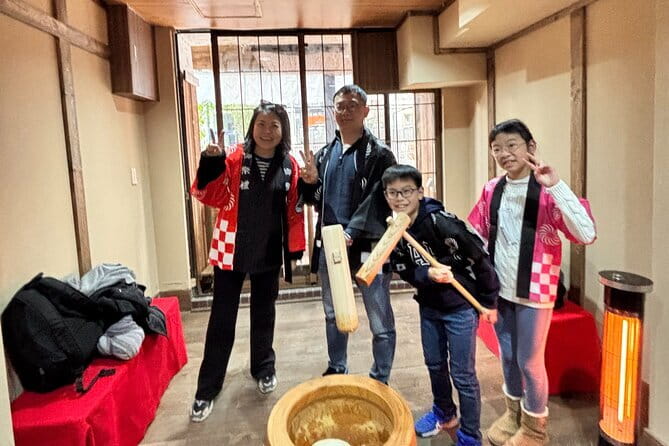
- Traditional mortar-and-pestle pounding you do yourself, not just watch
- 10-minute history talk that gives meaning to what you’re making
- Hands-on steaming and shaping steps so you understand the process end to end
- Tea plus multiple classic toppings like kinako, sweet red bean paste, nori, and sweet soy sauce
- Family-friendly format for kids under 13, with instruction meant for mixed ages
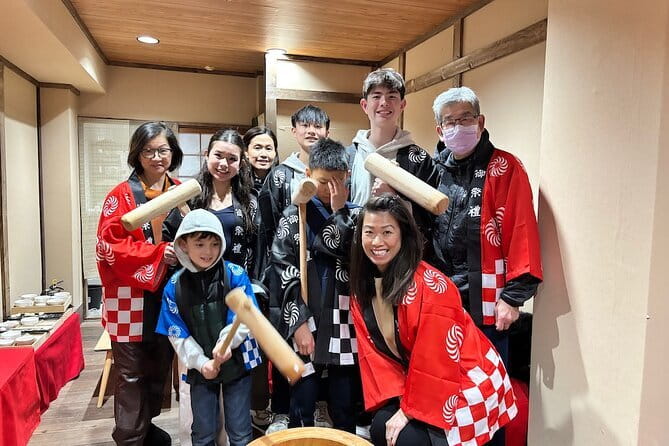
- Maximum 10 travelers, which keeps the experience calmer and more personal
Mochi Pounding in Dotonbori: What You Actually Do
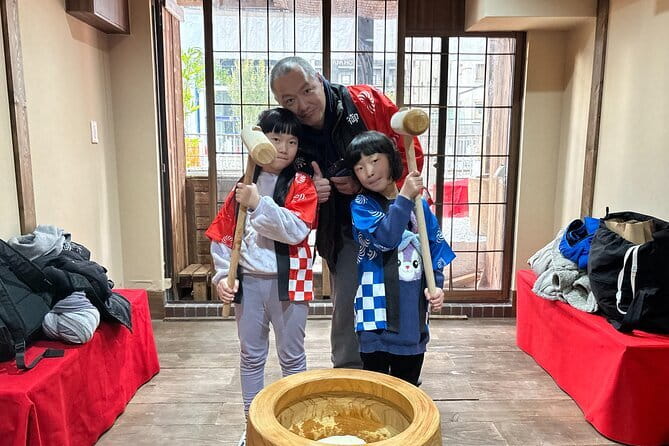
This is one of those Osaka activities that feels simple at first, then gets oddly addictive once you start. You are learning how mochi is made, but the real draw is that you do the pounding yourself with traditional tools. The goal is not perfection. It is participation, plus tasty rewards at the end.
The experience is built around a straightforward flow. First there is a short lesson about the cultural side of mochi pounding. Then you step into the practical part, from steaming the glutinous rice to using the mortar and pestle. When you finish, you sit down and taste your freshly made mochi with five beloved Japanese seasonings and ingredients along with tea.
One practical plus: the meeting point is right in Dotonbori at Mochi Pounding Experience Osaka Oh Mochi (2-chōme-4-11, Chuo Ward). That means your experience is not isolated from the rest of Osaka. You can plan an easy walk before or after to take in the area.
Weigh this one against the Osaka bookings people rate highest:
The 10-Minute History Lesson That Makes It Mean Something
Before you touch the tools, you get about 10 minutes of explanation on the history and cultural significance of mochi pounding. It is short on purpose. This is not a lecture that drags. It is enough context so you understand what you are participating in.
Why that matters? Because mochi pounding is not just a sweet making class. It connects to a Japanese tradition people experience at least once in their life. When you hear the background first, the pounding part feels like you are joining a practice, not doing a one-time gimmick.
The teaching also helps you relax about process. Even if you have never handled glutinous rice dough, you will know what to aim for. And if you’re traveling as a family, that short intro sets everyone up with the same expectations.
Steaming Glutinous Rice, Then Pounding Like You Mean It
The core work happens in two phases. You start with the steaming step, then you move into the pounding and shaping.
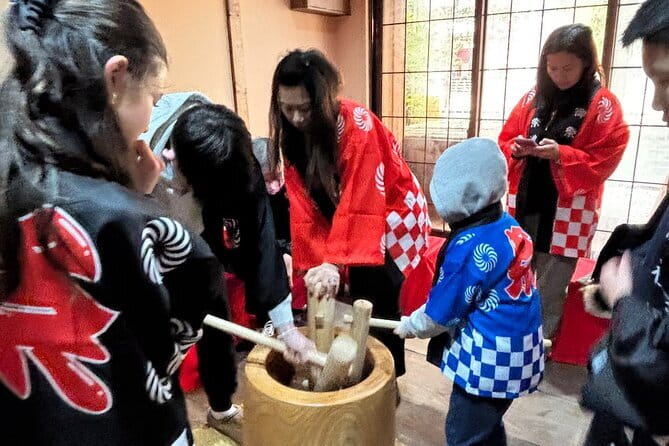
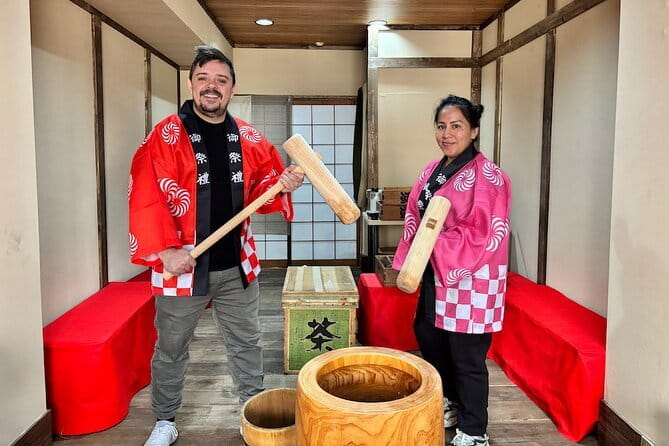
From the moment the glutinous rice dough is ready, the instruction turns very practical. You use traditional tools to pound and shape the mochi. This is physical, but it is not extreme. It is more like rhythmic work than a workout session. The class rhythm matters too, because the group size is capped at 10 travelers, so the instructors can watch and correct technique without rushing you.
One fun detail you may be invited to do is shout along while pounding. The experience includes a mochi pounding call-and-response vibe, and you might get the chance to yell yo shoi during the process. If you like experiences with a bit of energy, this is where it kicks in.
You are not just learning how mochi gets made. You are learning how teamwork helps. When everyone follows the guidance and timing, the dough transforms more smoothly. That is also why small groups matter. You get more attention when you need it.
The Reward Part: Fresh Mochi Plus Five Classic Toppings
When the pounding finishes, it is time for the best moment, tasting what you made. Your mochi is served fresh, and you get it in both plain form and with classic toppings.
The experience specifically highlights these seasonings and ingredients:
- kinako (roasted soybean powder)
- sweet red bean paste
- nori (seaweed)
- sweet soy sauce
- plus plain mochi, served alongside
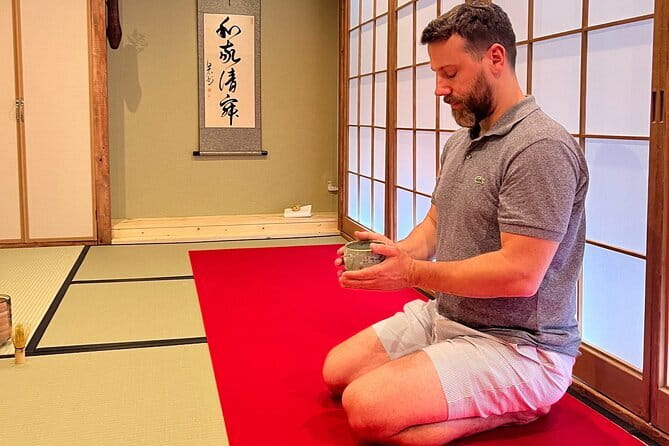
You also get a cup of tea. That matters more than you might think. Mochi is chewy and sweet, and tea helps reset your palate between bites, especially if you end up trying several topping options.
This is also where the experience feels like good value. You are paying for instruction, hands-on work, and a meal-like tasting. You do not leave with just a souvenir. You leave with something you made plus options to compare flavors.
What I Like Most: Friendly Guidance and Real Hands-On Time
Two things I like a lot about this mochi pounding experience.
First, the instruction feels patient and supportive. The experience is designed for people who have never done this before, including kids. You get step-by-step guidance on using the mortar and pestle and on handling the dough during shaping.
Second, the experience gives you genuine hands-on time. You do not stand to the side and take pictures. You pound. You taste. The payoff is immediate, and you can feel the difference between toppings right away.
The reviews are consistent in this, with people describing the hosts as friendly and the overall vibe as fun for families, including kids around 5 and 6 as well as teens. That kind of age range only works when instruction is clear and the activity is structured.


Family-Friendly for Kids Under 13, and How to Plan the Mood
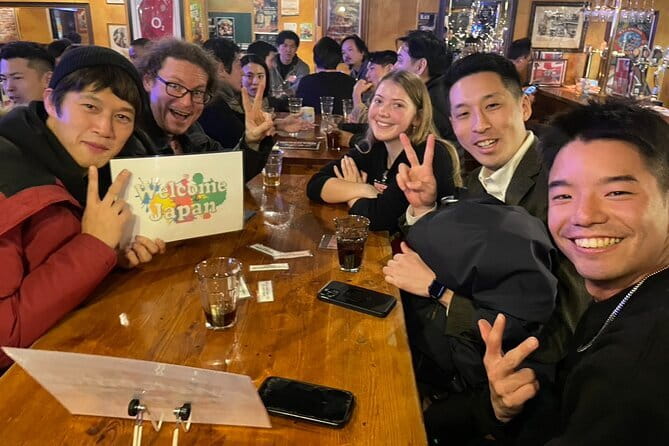
The experience explicitly welcomes children under 13, and adults can join too. In other words, it is not a separate kids-only session. It’s a mixed group with instruction that aims to keep everyone involved.
If you’re bringing kids, expect the class to feel like a hands-on snack-making activity with a cultural story attached. The pounding step is the highlight. It gives kids a job they can do with adult guidance, and that reduces the usual problem with cooking classes where younger kids get bored waiting.
You should also think about snacks and pacing. The experience says it runs about 1 hour (approx.), and one example of completion time mentioned is around 45 minutes. Either way, it’s short enough that kids can usually handle it without turning into chaos.
Safety note: since mochi is a sticky rice cake, there is a reminder that elderly participants should eat in small portions due to choking risk. That is smart advice. If you have anyone in your group with chewing or swallowing concerns, plan accordingly and consider asking the hosts what they recommend.
Price and Logistics: Is $32.29 Good Value?
At $32.29 per person for about an hour, the value is strongest if you care about doing the activity, not just tasting sweets.
Here is what you get for the money, based on the structure of the experience:
- a short history talk (about 10 minutes)
- steaming glutinous rice
- hands-on pounding and shaping using traditional tools
- freshly made mochi for tasting
- plain mochi plus toppings such as kinako, sweet red bean paste, nori, and sweet soy sauce
- tea
You also get the benefit of a maximum of 10 travelers, which makes a big difference in how much attention you get. That kind of small group setup is hard to find in popular food experiences, especially in busy areas like Dotonbori.
One more logistical plus: the tour uses a mobile ticket, and you receive confirmation when you book. It is near public transportation, so you’re not likely to waste time guessing how to get there.
Language Support, Vegan Options, and What to Expect

Language options are English and Chinese. Chinese support is provided through slides or interpreted via a ChatGPT-style method. In plain terms, you should feel covered even if your Japanese is limited.
Dietary preferences are addressed too. The experience notes that it accommodates vegans and vegetarians so you can participate without worries. It does not specify every ingredient swap in the info you provided, so if you have strict dietary needs, it is smart to confirm what options are available when you book.
This matters because mochi toppings can include ingredients you may want to avoid. With diet accommodation explicitly mentioned, you’re not walking into a class that ignores dietary needs. You just need to align your expectations with what the hosts offer that day.
Weather and Timing: The Practical Stuff That Can Change Plans
This experience requires good weather. If it gets canceled due to poor weather, you will be offered a different date or a full refund. That is the kind of policy that helps you plan without panic.
Because it’s outdoors-adjacent or otherwise weather dependent, try not to stack too many timed activities back-to-back on the same day. Build in a buffer so a weather change does not snowball into a travel headache.
Should You Book This Mochi Pounding Experience in Osaka?
Book it if you want:
- a hands-on Japanese food experience in a short time
- a family-friendly activity that works across ages (kids under 13 included)
- fresh mochi with multiple classic toppings plus tea
- a small group setting that helps you learn the process instead of just watching
Skip it or rethink if you:
- need a fully hands-off experience (you will be pounding)
- have concerns about mochi texture for anyone in your group, especially elderly participants, since the experience advises small portions due to choking risk
- are traveling on a day when you cannot be flexible if weather cancels the session
Overall, I see this as a strong “do it once, do it right” Osaka stop. You get culture, technique, and a real edible payoff, all in about an hour, in the middle of Dotonbori.
FAQ
What is the duration of the mochi pounding experience?
The experience lasts about 1 hour (approx.).
Where does the experience start?
It starts at Mochi Pounding Experience Osaka Oh Mochi, 2-chōme-4-11 Dōtonbori, Chuo Ward, Osaka 542-0071, Japan, and it ends back at the meeting point.
How much does it cost per person?
The price is $32.29 per person.
Is it family-friendly for children?
Yes. The experience is available for children under 13, and families are welcome. Adults only can also join.
What language support is offered?
It offers English and Chinese. Chinese is provided through slides or interpreted by ChatGPT.
What food will you get at the end?
You will taste freshly made mochi, served plain and with five beloved Japanese seasonings and ingredients, along with a cup of tea.
Is the experience affected by weather?
Yes. The experience requires good weather. If it is canceled due to poor weather, you will be offered a different date or a full refund.