
REVIEW · KYOTO EXCURSIONS FROM OSAKA
Best of Kyoto and Nara Highlights Day Tour from Osaka (7~9 spots)
Ten hours, two of Japan’s most powerful stops. This Osaka day tour mixes Shinto and Buddhist icons with time in Kyoto, and it comes with a real guide who keeps the day moving. I like the two different route styles (Fushimi Inari plus Uji on some days, Arashiyama plus Nishiki on others), and I like that the schedule is built around short, doable time blocks instead of one long “stand and wait” stretch.
A possible drawback: several major sights have optional admission fees (Todaiji main hall, Byodoin main hall, Kiyomizu-dera main hall), and with travel time plus traffic, some stops can feel tight if you want to linger.
Quick take: what makes this day trip work
- Two routes, same Nara core: Kasuga sites, Nara Park, Todai-ji, then the Kyoto half changes.
- Clear timing from Osaka: depart 8:00 AM, first sights around 9:00 AM, back by 6:00 PM.
- Mobile ticket convenience: less hassle on the day.
- Short, efficient visiting windows: many stops are 25 to 50 minutes.
- Small-group feel within a cap: maximum 49 people, and reviews highlight a smaller on-the-ground group size.
- Guide support matters: I’m especially drawn to the guide quality, including help with solo photos and patient explanations.
From Osaka to Kyoto and Nara in One Long Day
This is the classic Japan “best hits” day trip, but the format is what makes it feel manageable: you start in Osaka at Tsurutontan Soemoncho at 8:00 AM, you’re at the first destination by 9:00 AM, and you’re back at the meeting point at 6:00 PM. The duration is about 10 hours, and since the schedule has to fit Japanese vehicle rules, your guide may adjust the order based on traffic and weather.
I like the simplicity here. You don’t have to plan transfers between Osaka, Nara, and Kyoto. You just show up, scan your mobile ticket, and follow a route that’s designed to hit the big visual moments without turning the day into a sprint of random stops.
The other practical win is pacing. Many sights have a set time window, so you’re not stuck waiting on the group while your “one hour window” for photos disappears. That said, if you want to read every plaque, meditate in silence, and shop for an extra round, you’ll need to accept that this is a highlights tour, not a slow wander day.
Other one-day sweeps of the city
Two Route Styles: Fushimi Inari via Uji or Arashiyama via Bamboo and Nishiki
The tour runs on different days with two different Kyoto halves, which is a smart way to match what you want most.
- Kyoto and Nara + Fushimi Inari + Uji Omotesando: runs Mon, Wed, Fri
- Kyoto and Nara + Arashiyama: runs Tue, Thu, Sat
In both versions, you still get the Nara anchor stops first, then you’ll land in Kyoto for the big finale at Kiyomizu-dera.
Here’s the real value of picking the right route: you’re choosing your “Kyoto flavor.”
- If you’re chasing the famous torii gates look, go with the Fushimi Inari course.
- If you want calm, shaded walking through nature and classic Kyoto streets, go with the Arashiyama course.
Either way, you’re not just bouncing between places. The tour sequence is arranged so you see major landmarks and then have a logical place to put your energy, whether that’s shrine gates, bamboo, or viewpoints.
Nara Must-Dos: Kasuga Grand Shrine, Nara Park Deer, and Todai-ji
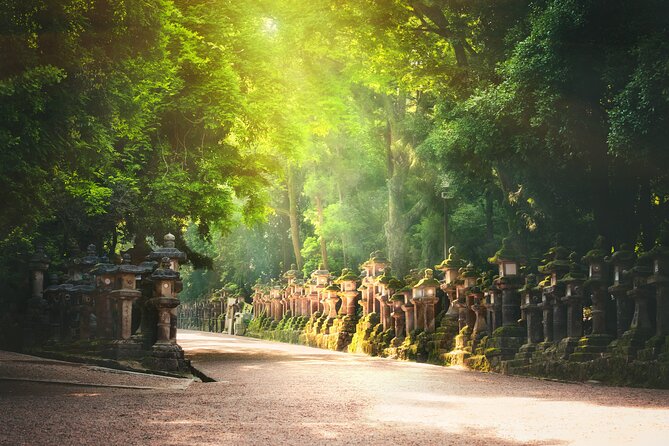
Your Nara section starts with Kasuga Grand Shrine (admission free) and a very Japanese visual effect: hundreds of stone and bronze lanterns covering the shrine area. The stop time is about 30 minutes, which is just enough to understand what you’re seeing and then take your own photos without feeling rushed to the next bus.
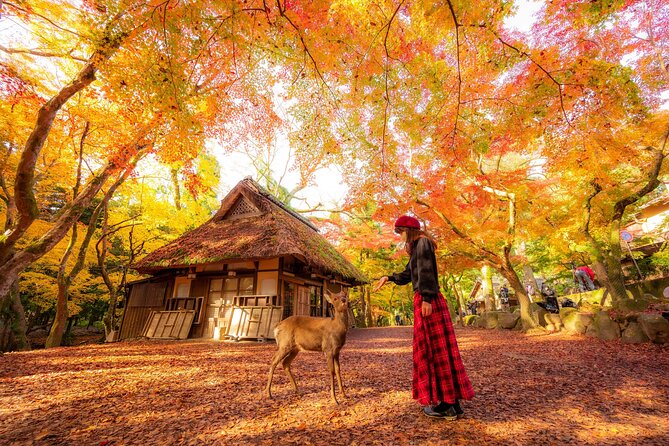
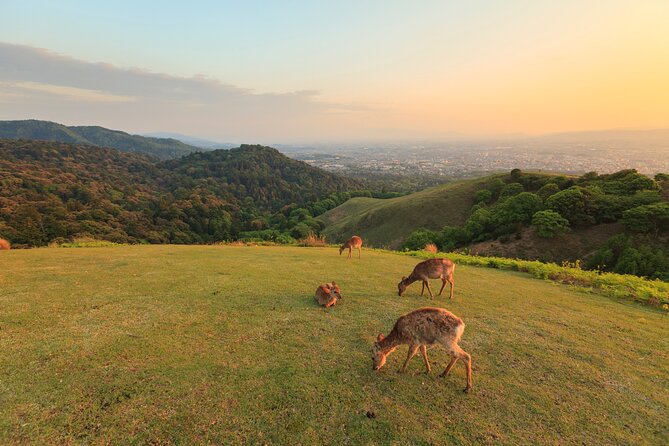
Next comes Nara Park (admission free). This is where the deer are the main event. Expect wide green spaces and deer wandering near paths and open areas. The stop time is also about 30 minutes, so you can do a quick loop, grab a few deer photos, and still make it to the temples without the day turning into “one more minute” over and over.
Then you hit Todai-ji Temple, where the Great Buddha sits inside a massive hall. The admission for the main hall is optional and not included (around 800 yen). The time block is about 30 minutes, which means you should decide in advance what matters most to you: the main hall interior, the exterior views, or a mix. If you want the full Great Buddha experience, budget the optional ticket.
I think Todai-ji is the most “wow per minute” stop in this tour. Even when you’re not spending extra time, the scale is hard to forget.
Wakakusayama View Stop Behind Nara Park
Between Nara Park and your Kyoto segment, there’s a short scenic add-on: a gentle grassy hill with panoramic views. In the tour description, it’s positioned as an easy hike with rewards, with viewpoints that include Nara City and the major landmark roof of Todai-ji.
This is one of those stops that makes a bus tour feel less like a checklist. You get a breather, a different angle, and some open-air time before you move on to the denser city sights.
Practical tip: treat it like a quick walk, not a full hike. You’ll still want comfortable shoes, because even short routes in Japan can include uneven ground and stairs.
Uji and Byodoin Phoenix Hall for the 10-Yen Coin Moment
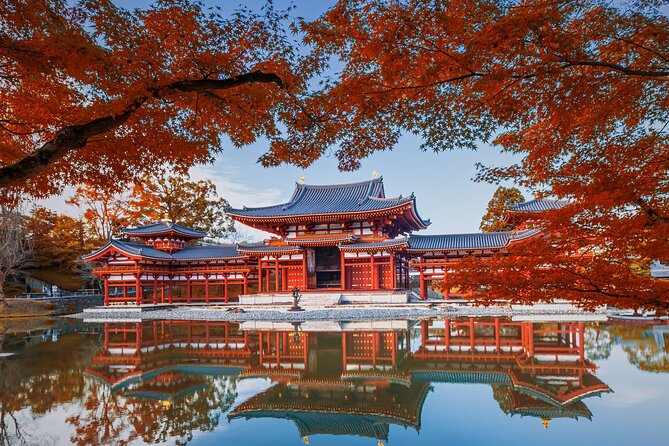
If you’re on the Fushimi Inari course (Mon, Wed, Fri), your Kyoto rhythm includes Byodoin Temple and Byodoin Omotesando in Uji.
Byodoin Temple is the coin-famous stop. The highlight is the Phoenix Hall and the reflection view over a pond. The Byodoin main hall admission is optional and not included (around 700 yen). The stop time is about 40 minutes, which is a comfortable window for photos and a basic sense of the architecture.
Then you get Byodoin Omotesando (admission free) for around 50 minutes. This is a traditional street with tea houses, and it’s where the tour gives you time for lunch on your own. The description specifically points out enjoying Uji’s matcha treats, and since meals aren’t included, this is your real self-chosen food moment of the day.
I like this design because it solves a common problem on day trips: you don’t have to find lunch while everyone is hungry and stressed. You have a set window, so you can pick what you want, eat, and still stay on track.
Other Kyoto days, compared
Fushimi Inari Taisha Torii Gates and a Sacred Walk
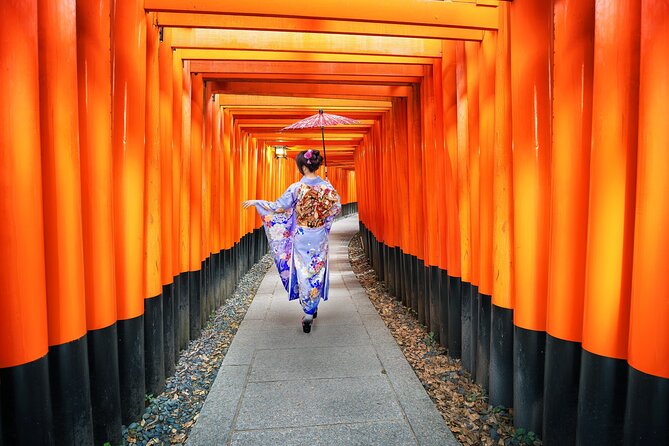
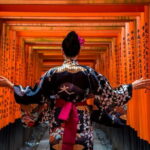
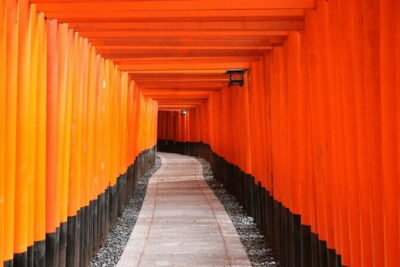
Still on the Fushimi course, you’ll visit Fushimi Inari Taisha. The big visual is the thousands of vermillion torii gates winding up Mount Inari. Admission is listed as free for the stop, and you’ll have about 50 minutes.
This is the kind of place where 50 minutes can either feel perfect or too short, depending on your photo goals. If you want the classic gate tunnel effect from multiple angles, move efficiently. If you want to go upward deeper into the path, keep in mind you still have Kyoto finale time later.
One more practical thought: the torii gates create a strong sense of atmosphere, but they’re also a place where the crowd flow matters. Go at your pace, not the group’s pace, but stay aware of where you’re standing so you’re not blocking others.
Arashiyama Calm: Bamboo Forest, Nonomiya Shrine, and Togetsukyo Bridge
If you’re on the Arashiyama course (Tue, Thu, Sat), the Kyoto highlights shift from torii gates to nature and classic scenic spots.
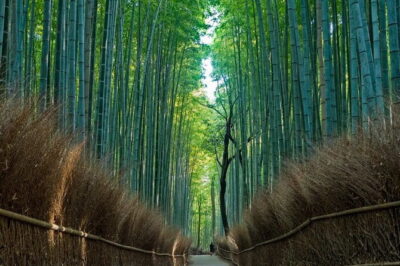
First up is Arashiyama Bamboo Forest (admission free, about 25 minutes). Tall bamboo stalks and sun filtering through the canopy make it feel different from the busier streets. It’s short by design, which helps you avoid losing the best light to long waiting.
Then you step into Nonomiya Shrine (about 30 minutes, admission free). It’s described as small but spiritually significant, and it’s positioned within the forest area. This is a nice counterpoint to all the photo-taking. It’s calmer, more quiet in feel, and gives you a break from the crowd energy.
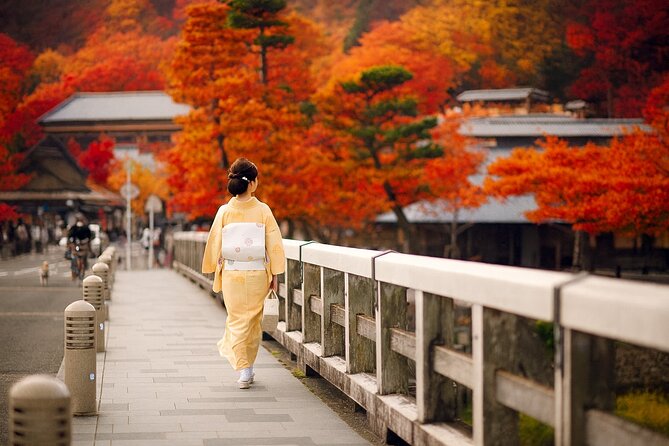
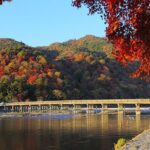
Next: Togetsukyo Bridge (about 25 minutes). The tour notes it spans the Katsura River and that it’s a famous landmark, originally built in the Heian period and later reconstructed. Even if you don’t go deep into background details, you’ll get the classic bridge-in-the-scene postcard view.
If you’re someone who needs a little nature and air between temples, this course delivers.
Kyoto Finale at Kiyomizu-dera, and Planning for Optional Admission
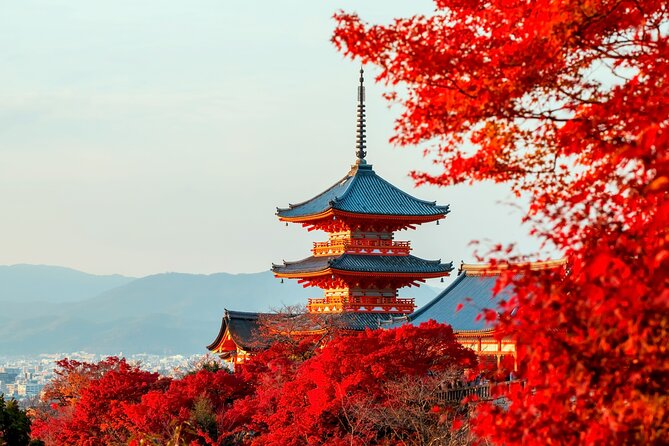
No matter which route you pick, the day ends with Kiyomizu-dera, a UNESCO World Heritage site. The time block is about 1 hour 20 minutes, which is noticeably longer than most stops. That extra time matters here, because you’ll want a slow moment and some room for viewpoint photos.
The optional main hall admission is not included, listed at about 500 yen. Since it’s an optional fee, decide before you arrive: if you care about the grand wooden stage and the panoramic views, plan to add the ticket cost. If you mainly want the exterior and the surroundings, you can still enjoy a lot without paying.
This is one of those places where timing and weather can change the vibe. If conditions are clear, the views feel generous. If it’s rainy or foggy, your “best moments” might be the temple atmosphere and the layered streets nearby rather than the far-distance panorama.
Food Time: Nishiki Market Snacks or Maruyama Park in Cherry Season
On the Arashiyama course, you also get time at Nishiki Market shopping district, often called Kyoto’s Kitchen. It’s listed as about 1 hour and admission free. Expect a narrow street packed with stalls selling snacks and Kyoto specialties, and this is a good spot for quick bites instead of a full sit-down meal.
There’s an important seasonal note: during cherry blossom season, Nishiki Market will be replaced by Maruyama Park, and the order of stops will be adjusted. That means your “shopping street” moment might turn into a park-based viewing and strolling moment instead.
Either way, keep your expectations aligned. This is snack time, not a full food crawl. Bring cash or a payment method you’re comfortable with, because small stalls can vary.
Guide Quality and Small-Group Feel on a Full-Day Bus Trip
The tour includes an English and Korean speaking guide, and the biggest reason I’d trust a day like this is how well the guide can handle logistics and pacing without sounding robotic.
The reviews attached to this tour are especially consistent about guide skill and kindness. Names that come up include Yuri, Min, and Soae Lee. Multiple reviews highlight patient explanations, and one mentions that Min helped a solo participant by taking photos that turned out wonderful. Another notes the group felt small, around 16 people, which can make a huge difference on a bus day.
Also, the group cap is 49 travelers, but what matters more than the cap is how the day runs. A smaller group usually means less time herding people and more time actually seeing what you came for.
If you care about getting context, not just photos, a strong guide is the difference between visiting temples and understanding what you’re looking at.
Price and Value at $55.17, Plus What to Budget for
At $55.17 per person, this tour is positioned as a practical way to see Kyoto and Nara from Osaka without sorting transportation yourself. What’s included is transportation and an English and Korean speaking guide. Many stops also have free admission, including Kasuga Grand Shrine and Nara Park.
What’s not included is where you should plan carefully: meals and optional admission fees. The optional main hall prices listed are:
- Todai-ji Temple main hall: about 800 yen
- Byodoin Temple main hall: about 700 yen
- Kiyomizu-dera main hall: about 500 yen
If you add all three, it can feel like the ticket cost is what you’re actually paying for, not the bus day itself. But from a value perspective, these admissions are optional because not everyone needs the same level of inside access.
My take: budget for at least Kiyomizu-dera, since it’s your longest Kyoto stop and likely your most “stage and view” moment. Then decide on Todaiji and Byodoin based on your interests in major interiors.
Also, no meals are included. The tour does provide time for lunch on your own around Uji Omotesando on the Fushimi course, so you can pick something convenient. But you still need to plan your own food budget.
Who This Tour Fits Best (and Who Should Skip It)
This tour is a strong fit if you want a guided Kyoto and Nara highlights day from Osaka, with efficient stops and a clear route choice. It’s also good for first-timers who don’t want the hassle of planning train transfers and timing around crowds.
It may not be the best fit if you want long, slow visits. Many sights here are 25 to 50 minutes, and the day is about maximizing highlights within the 8:00 AM to 6:00 PM window.
If you’re traveling solo, you can still benefit from the guide’s help. Reviews specifically mention photo help, and a smaller group makes it easier to ask.
Should You Book This Highlights Tour from Osaka?
Book it if you want the easiest path to major Nara landmarks and Kyoto icons in one day, especially if you like having a guide manage the hard parts. The route choice is meaningful, because the Kyoto half can be torii gates in Fushimi or bamboo and bridges in Arashiyama, and both end at Kiyomizu-dera.
I’d especially recommend it if you:
- have limited time in Osaka
- want a plan with fixed start and end times
- prefer free-entry stops mixed with a few optional paid highlights
Skip or reconsider if you hate optional ticket budgeting, or if you want to spend half the day inside just one major temple. This is built for movement, not for lingering.
If you pick the right route day and plan a little for optional admissions and lunch, this is a solid way to get big Japan memories without spending your whole vacation on train schedules.
FAQ
How long is the Kyoto and Nara Highlights Day Tour from Osaka?
The tour runs for about 10 hours, starting at 8:00 AM and returning to the meeting point by around 6:00 PM.
Where does the tour start and end?
It starts at Tsurutontan Soemoncho and ends back at the same meeting point.
What is included in the price?
Transportation and an English and Korean speaking guide are included. A mobile ticket is used.
Are temple admissions included?
Some are not. Optional main hall admissions are listed for Todai-ji Temple (800 yen), Byodoin Temple (700 yen), and Kiyomizu-dera (500 yen). Other stops like Kasuga Grand Shrine and Nara Park are listed as free.
What are the two route options and which days do they run?
The Fushimi Inari route (with Uji Omotesando and Fushimi Inari Taisha) runs Mon, Wed, Fri. The Arashiyama route (with bamboo forest and Togetsukyo Bridge) runs Tue, Thu, Sat.
Is lunch included?
Meals are not included. On the Uji Omotesando section, there is time for lunch at your own expense.
What happens during cherry blossom season on the Arashiyama course?
During cherry blossom season, Nishiki Market is replaced by Maruyama Park, and the order of stops is adjusted.
More Mornings with the Deer
The Kyoto Shortlist: Other Days East

The Whole City in a Day

Latest out of Osaka


Kyoto Excursions from Osaka, side by side.
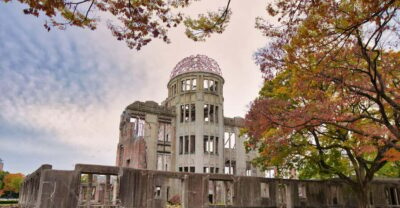 ★ 4.7Osaka/Kyoto: Hiroshima Miyajima Bus Tour & Shinkansen TicketFrom $277919 reviews
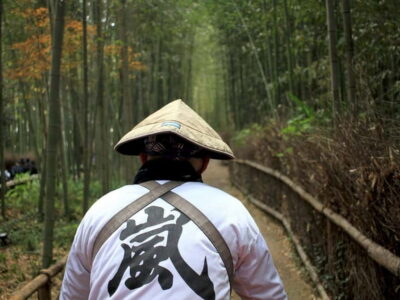 ★ 4.5From Kyoto/Osaka: Kyoto Top Highlights 1-Day Guided Bus TourFrom $51714 reviews
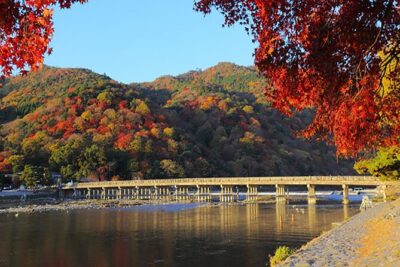 ★ 4.5Ancient Capital Tour: Kyoto and Nara Highlights from Kyoto/OsakaFrom $90332 reviews
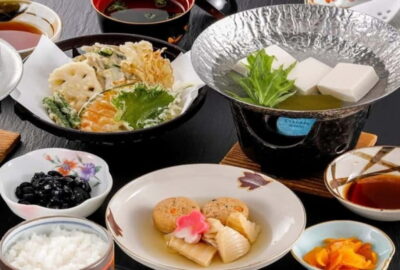 ★ 4.6Osaka/Kyoto: Amanohashidate & Miyama Tour with Boat & LunchFrom $71207 reviews
 ★ 4.0Kyoto and Nara Day Trip from OsakaFrom $198175 reviews
 ★ 3.5From Osaka or Kyoto: Kyoto and Nara 1-Day Bus TourFrom $64141 reviews
 ★ 4.8Volleyball in Osaka, Kobe & Kyoto with locals!From $6131 reviews
 ★ 5.0Full Day Tour of Kyoto with Private TransportationFrom $247130 reviews